Inspect a rental for the bills, not the paint
You'd forgive a dated kitchen in your own house. In a rental, the things you can't see are the ones that set your return.
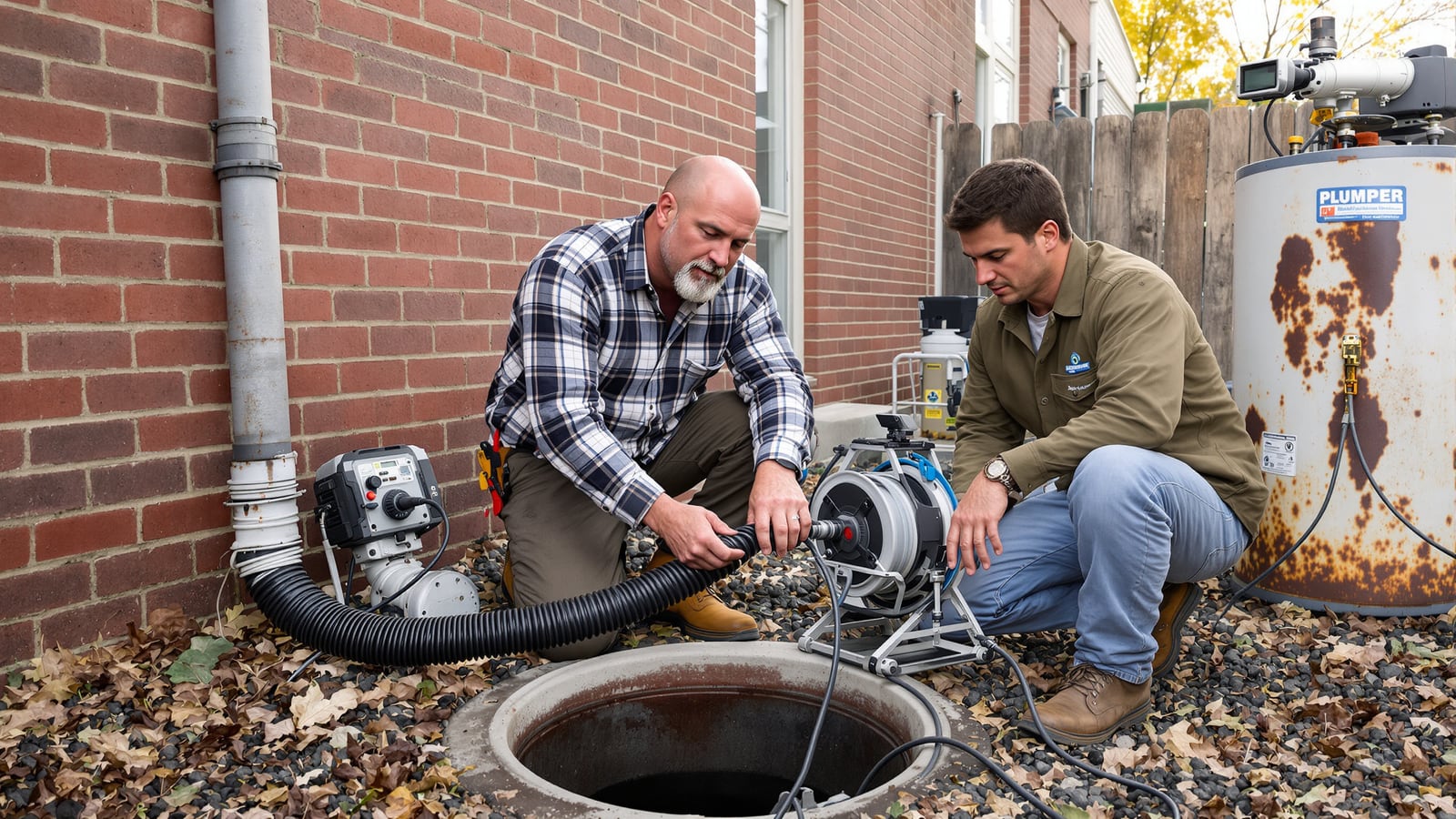
Quick answer: In your own house, you inspect for what you can live with. In a rental, you inspect for what it will cost you every year, whether or not anyone's looking. Ignore the paint. Price the roof, the sewer line, the HVAC, the water heater, the panel and the plumbing, and read the paperwork before you read the walls.
The tour that goes wrong
Picture a buyer walking through a duplex. All numbers in this piece are illustrative examples, not market data. The unit is listed at $240,000. The kitchen's dated, there's a stain on one bedroom ceiling, and the carpet's tired. He'd hate all of it in the house he lives in. But he's a landlord now, so he decides cosmetics don't matter, and he's half right.
Then he spends his inspection money on the wrong things. He fusses over the ceiling stain, which costs $200 to repaint. He never asks how old the roof is, never scopes the sewer line and never looks at the water heater's date sticker. Those three items can eat $15,000 in a single bad year.
Your own home gets inspected against your tolerance. A rental gets inspected against your cash flow. That's the whole difference, and it changes where you look.
Read the paper before you read the house
Before you set foot inside, ask the seller or listing agent for these:
- The leases. You generally take the property subject to them. Read the rent, the term, the pet terms and who pays which utilities.
- The rent roll. A one-page list of units, rents and lease end dates.
- The security deposit ledger. In many states the new owner becomes responsible for returning each tenant's deposit. Make sure the money is credited to you at closing, not left with the seller.
- Twelve to twenty-four months of repair invoices. They show you what actually breaks. Three plumber visits to the same unit tells you more than any walkthrough.
- Utility bills. A high water bill can mean a running toilet or a leak under the slab.
- Permits and any rental license or registration. Some cities and counties require a rental registration or periodic inspection. Others don't. Check with the local code office.
- A tenant statement or estoppel certificate. This is a signed note from the tenant confirming rent, deposit and any disputes with the landlord. It's more common on larger buildings. Ask for it anyway.
Then ask yourself one question. Do the repair invoices match the story the listing tells? If the seller says "never a problem" and the invoices say otherwise, believe the invoices.
Inspecting a home somebody else lives in
Someone's home is under your flashlight. Many states require a landlord to give written notice, often a day or two, before entering, and the seller has to schedule around that. The exact rules vary by state and sometimes by city, so your agent and attorney should confirm them.
Treat the tenant well. Wear shoe covers. Show up when you said you would. Keep the crowd small. Leave every room as you found it, or a little better, and thank them on the way out. This is somebody's home, not your inventory. It's also practical. A tenant who feels respected will often tell you where the water comes in, and a tenant who feels ambushed may stay quiet.
If the seller can arrange a short, polite conversation with the tenant, take it. Ask what's broken, what's been fixed and what they'd want fixed. Don't promise anything. You don't own the place yet.
The five items that decide your year
Put your inspection money here first.
Roof. Ask for the age, not the opinion. A roof with five years left isn't a defect. It's a bill with a due date.
Sewer line. A camera scope runs a few hundred dollars in most markets. Older homes with clay or cast-iron lines can hide root intrusion and breaks. A digging repair can run into five figures. In a rental, that's a rough year, not a rough weekend.
HVAC and water heater. Read the date stickers and the model plates. Both have lifespans, and a tenant with no heat in January isn't a patient tenant.
Electrical panel and wiring. Your inspector can tell you whether the panel's a type that inspectors commonly flag and whether anyone has done amateur work on the circuits. Look for extension cords and space heaters running off one outlet. Tenants do that when the house doesn't have enough outlets.
Plumbing material and drainage. Galvanized pipe, old polybutylene and failing cast-iron drains all cost real money. Check the ground outside, too. If water sits against the foundation, the basement will tell you eventually.
Turn those into a monthly number
Take each big item, divide its replacement cost by the years left, then divide by twelve. Here's an example, using made-up round figures:
- Roof: $14,000 with 5 years left is $2,800 a year, about $233 a month.
- HVAC: $9,000 with 8 years left is $1,125 a year, about $94 a month.
- Water heater: $1,600 with 3 years left is about $533 a year, about $44 a month.
That's roughly $371 a month in this example, set aside for three items alone. On a unit renting for $1,400, that's more than a quarter of the rent before insurance, taxes or a single clogged drain. If the deal only works when you pretend those bills don't exist, it doesn't work. The Math Your First Rental House Has To Pass walks through the rest of the numbers.
Tenant wear and tenant safety
Cosmetics don't matter, but damage patterns do. A carpet that smells under the padding means pet trouble or moisture. Holes in drywall point to a tenant who's been careless, or a landlord who's been absent. Both are information.
Safety is where a landlord can't shrug. Check smoke and carbon monoxide detectors, stair and deck railings, GFCI outlets near water, and the windows in sleeping rooms. A tenant's injury is your problem in a way it never is in a house you flip. Most states carry an implied warranty of habitability, which means you owe tenants a livable home. If the home was built before 1978, federal rules require lead-based paint disclosures at sale and at lease. Ask your attorney and your insurance agent exactly what applies where you're buying.
Speaking of insurance, a landlord policy isn't the same as a homeowner policy. Get a quote before you close, not after.
Hire the right people, and show up
Use a licensed home inspector, and add a sewer scope. If something looks off in the roof, foundation or electrical, call the specialist for that system. Show up for the inspection yourself. You'll learn more in two hours of following the inspector than from forty pages of report.
Then use the findings. A defect can be a price reduction, a repair credit or a reason to walk. The Home Inspection Is Your Last Cheap Exit covers how to use that window, and the twelve steps from preapproval to keys shows where it sits in the whole process.
What usually goes wrong
- Buyers skip the sewer scope to save a few hundred dollars.
- They trust the seller's "rents are going up" claim with no leases to back it.
- They treat a 20-year-old roof as someone else's problem.
- They forget the deposit ledger and pay for it at closing, or six months later.
- They spend the whole inspection on cosmetics.
Laws, taxes and customs on entry notices, deposits, rental licensing and disclosures vary by state and county. This is general education, not legal, tax or financial advice. Before you commit money, talk with a licensed real estate attorney, a CPA, a lender and an agent who knows rentals in your area.
The house won't care how it looks. It will care whether the roof holds.
Ray Okonkwo
Money & Business
Former commercial banker turned small-business owner. Covers salary, credit, margins and the arithmetic nobody does before signing.

Watch
Worth an hour of your evening
More from Real Estate.
From channels we rate. Plays on YouTube.
Read next