

Special assessments: the HOA bill you can see coming
A special assessment is the HOA's way of billing you for what it failed to save. Here's what triggers one, how it's split, and what you owe.
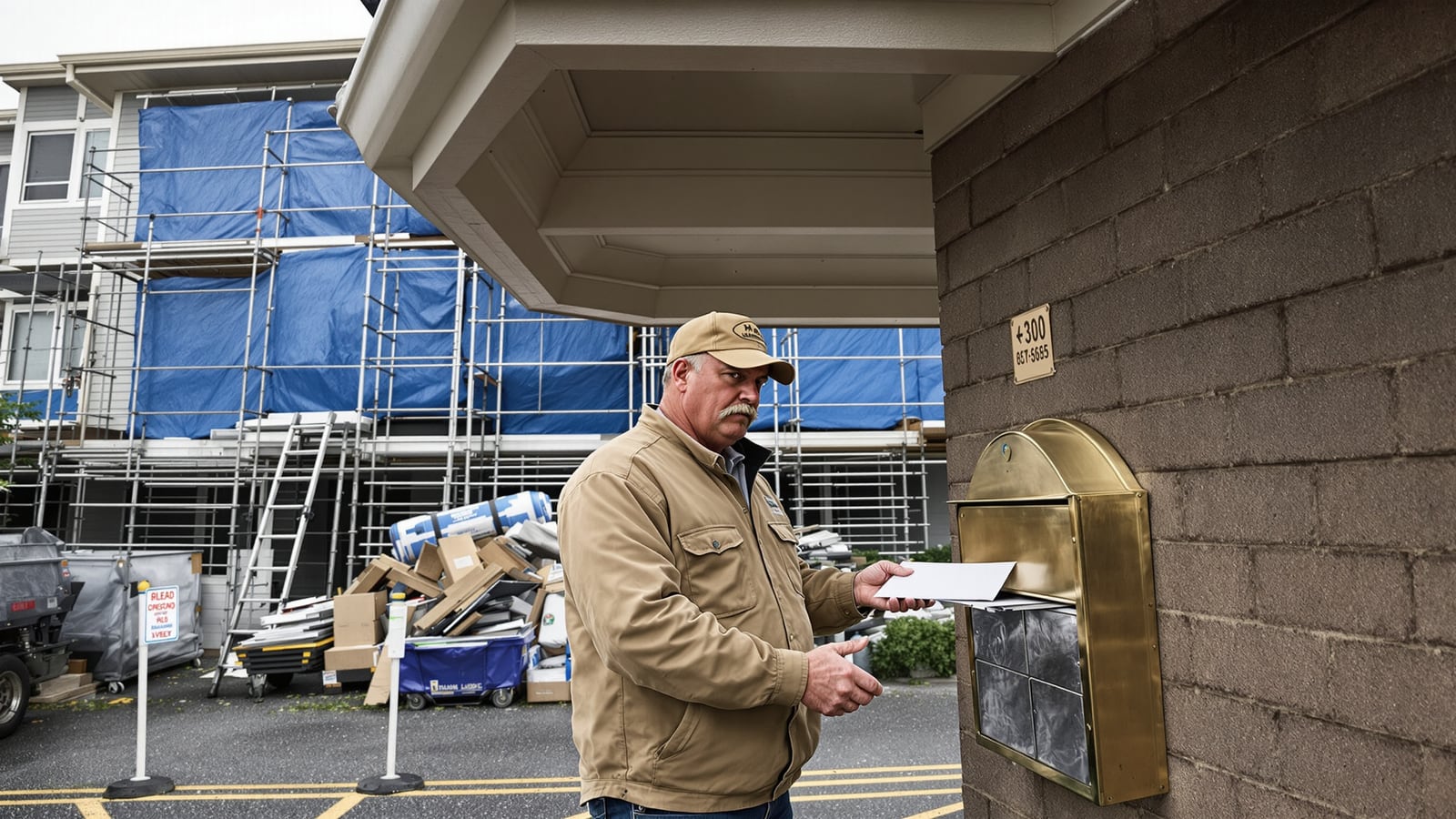
Quick answer: A special assessment is a one-time (or short-term) charge an HOA levies on top of regular dues, usually because the money in the reserve account doesn't cover a big repair. You owe it if you own the unit when it's assessed or when it comes due, and the unpaid balance can become a lien on your home. Most of them are visible in the paperwork months or years ahead, if you know where to look.
What sets one off
Associations collect monthly dues to run the place and, in a well-run one, to bank money for the big stuff. Roofs, paving, siding, elevators, pool equipment, plumbing stacks. A special assessment happens when a big item comes due and the bank account is short.
The usual triggers:
- Underfunded reserves. The roof was always going to need replacing. The board kept dues low to keep owners happy and pushed the problem to the next board.
- Storm or fire damage. Insurance pays most of it, but the deductible lands on the owners. On a large property, a wind deductible set as a percentage of the building's value can be a very large number.
- Construction defects or a lawsuit. Legal fees don't wait for a settlement.
- New safety rules. After the 2021 Surfside condo collapse, Florida tightened inspection and reserve requirements for older buildings, and owners there have gotten some large bills. Other states have moved in the same direction.
- Mismanagement. Rare, but it happens. A treasurer who doesn't reconcile the books can leave you holding the gap.
Notice the pattern. Nearly all of them are a failure to plan, which means nearly all of them are findable before you sign.
How the amount is calculated
Your declaration (also called CC&Rs or a master deed) says who can levy an assessment, how much the board can approve alone, and when owners must vote. Those documents also set the split.
There are three common ways:
- Equal shares per unit. Simple, and common in townhome communities.
- By percentage interest. Each unit owns a stated slice of the common property, and you pay that slice.
- By square footage or building. Sometimes a single building's roof is billed only to that building.
Worked example (illustrative only, not market data). Say a 120-unit condo needs a $600,000 roof and the reserve account holds $120,000. The shortfall is $480,000. Split equally, that's $4,000 per unit. If your unit's percentage interest is 1.2 percent, you'd owe $5,760 instead. Same roof, different bill, and the difference is sitting in a document you can read.
Then comes the payment structure. The association can demand a lump sum in 30 to 90 days, let owners pay in installments over a year or more (sometimes with interest), or borrow from a bank and raise monthly dues to pay the loan. Each one changes your cash flow differently, so find out which one is on the table.
What you owe, and when
The owner of record at the time the assessment is levied is generally on the hook, and the debt follows the unit, not just the person. That's why it matters at closing.
If you don't pay:
- Late fees and interest start, at whatever rate the documents allow.
- The association can record a lien against your home.
- In many states, it can foreclose on that lien. Some states give associations a form of priority over other claims. Others limit the process. Check your state.
Don't withhold payment because you're angry about the decision. Boards have collection tools and attorneys, and you'll lose that game. If you think the assessment was levied improperly (a vote that wasn't held, a limit the board exceeded), pay it under written protest and take the fight to a licensed real estate attorney. Win the argument without losing the house.
If you can't pay, call the management company before the due date, not after. Boards approve payment plans far more often than they approve silence.
If you're buying
The listing photos won't tell you any of this. The paperwork will. Ask for the resale package or disclosure packet and read these pieces:
- The reserve study. It lists each big component, its remaining life and its replacement cost. Look at the "percent funded" figure. A very low number means a bill is coming.
- The last 12 to 24 months of board minutes. Boards talk about roof bids and insurance renewals long before owners get letters.
- The current budget and balance sheet. Is the reserve account growing, or being drained?
- Pending litigation and approved or proposed assessments. Ask in writing.
- The history. How many special assessments in the past ten years?
Your inspector looks at your unit. The roof over your head belongs to everyone, and nobody inspects that for you. That's one more reason the home inspection is your last cheap exit: use it, and then read the association's records yourself.
Lenders care too. Many won't finance a condo in a project with very low reserves, heavy litigation or a big unpaid assessment hanging over it. Your approval can wobble because of a building you've never been inside. And if a bill is on the way, it should come out of your budget before you set your ceiling. The bank will approve you for too much house, and it never counts the roof.
Who pays at closing
The purchase contract decides, and custom varies by state and county. A common approach: the seller pays assessments levied before closing, and the buyer takes what comes after. But "levied" and "due" are different things, and installments can straddle the closing date. Have your agent and the closing attorney or title company pin it down in writing, and make sure the HOA's payoff statement lists every approved assessment.
If a big assessment is announced mid-contract, you have leverage. Ask for a price credit, a seller-paid escrow holdback, or an exit if your contract allows. Your attorney will tell you which of those your contract actually gives you.
If you're selling
Disclose it. Buyers' attorneys will find it in the resale package anyway, and a late surprise kills deals or costs you more in credits. If an assessment is coming, deciding who covers it before you list is cheaper than negotiating it under a closing deadline.
Taxes
For a primary residence, a special assessment for a capital improvement like a new roof is generally added to your cost basis rather than deducted, which may matter when you sell. Rental owners may treat it differently. This is where a CPA earns the fee, so ask before you file.
The habit that saves you
Keep a cushion. If you own in an association, set aside a little each month for a bill you hope never comes. Having cash on hand is the difference between a bad week and a lien. And read the minutes. It takes twenty minutes and it's the cheapest due diligence you'll ever do.
Laws, tax treatment and collection rules vary by state and county, and the numbers above are examples, not market data. This is general education, not legal, tax or financial advice. Before you buy, sign or pay, check with a licensed real estate attorney, a CPA, your lender or your agent.
Ray Okonkwo
Money & Business
Former commercial banker turned small-business owner. Covers salary, credit, margins and the arithmetic nobody does before signing.

Watch
Worth an hour of your evening
More from Real Estate.
From channels we rate. Plays on YouTube.
Read next