

Mold in the inspection report isn't automatically a dealbreaker
One line about mold can send a buyer running or earn them a repair. The difference is almost always where the water came from.
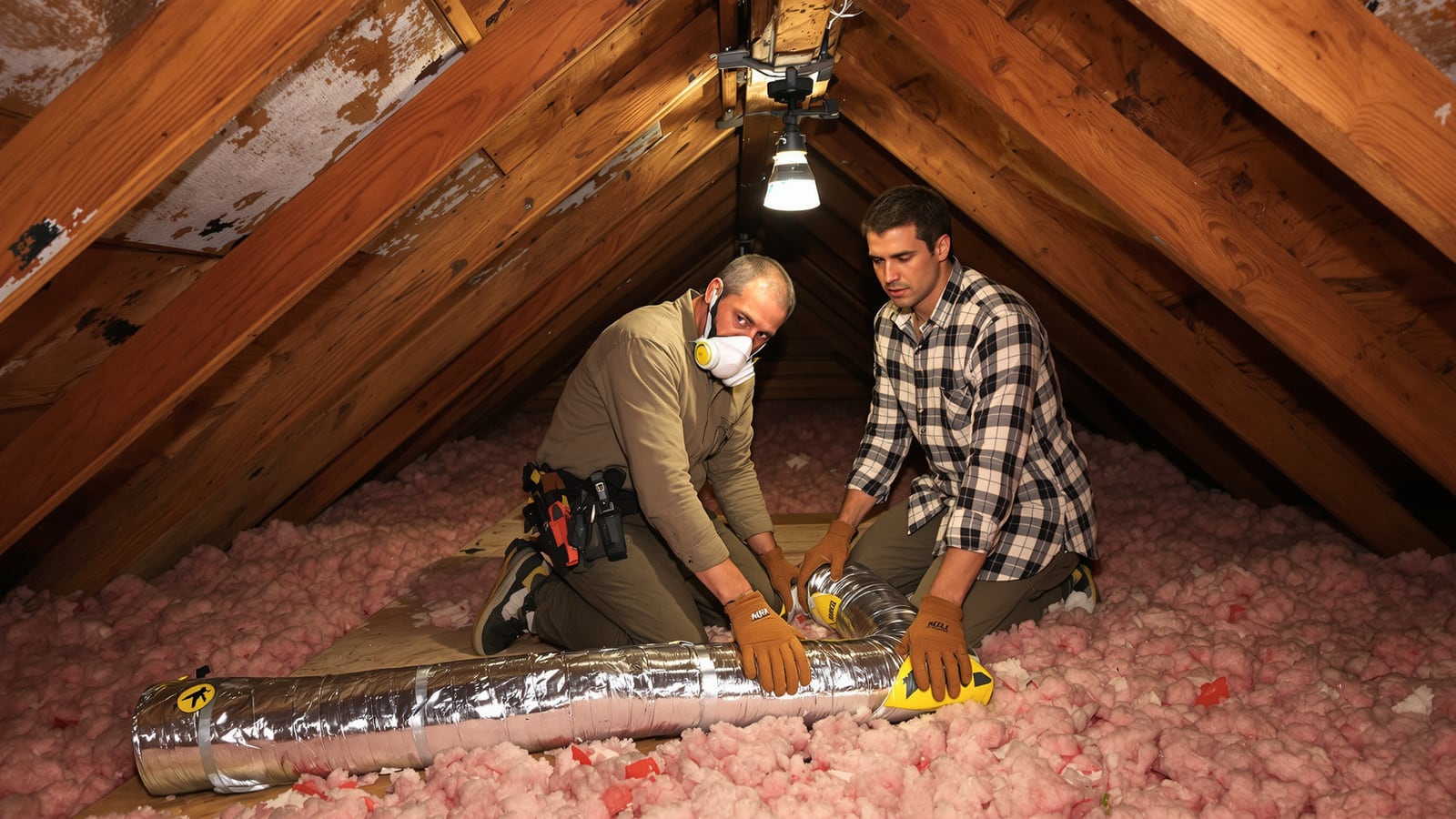
Quick answer: Mold is a symptom. The question that decides the deal is whether anyone can show where the moisture came from and prove it's stopped. If yes, you can usually negotiate the fix. If nobody can say, or the seller won't let anyone look, walk away while walking is still cheap.
You open the report on day four of a ten-day inspection period and there it is: "visible suspected microbial growth" on the attic sheathing. Your stomach drops. Your agent texts "don't panic."
Both reactions are wrong. Here's how to sort it out.
Read the exact words
Most home inspectors aren't mold specialists, and a standard inspection isn't a mold test. The inspector is telling you what he saw and where. "Suspected" means he didn't take a sample. Some states license mold assessors and remediators and some don't, so rules and titles vary by state.
Look at three things in the report:
- Location. Attic, crawlspace, bathroom ceiling, behind a toilet, around a window, in the HVAC closet.
- Size. A patch or a whole wall? Photos help. If the report doesn't say, call the inspector and ask.
- The moisture note. Did he record a moisture meter reading, a stain, a leak, a missing vent, a plumbing drip? That note is the most important sentence in the section.
The EPA's homeowner guide on mold treats areas smaller than about 10 square feet as something a homeowner can generally clean. Past that, it points you toward professionals. That's a useful dividing line for a conversation, though it's not a legal standard and it doesn't replace a local expert looking at your actual house.
The cases you can usually negotiate
Mold with a known, fixable cause is a repair item like any other.
Picture an example. The attic sheathing shows dark growth around one bathroom exhaust pipe. The fan was vented into the attic instead of through the roof. That's a classic shortcut. Moist air dumped into a cold attic and the sheathing paid for it.
Fix: reroute the duct to the outside, treat or replace the affected boards, and have it documented. A roofer or remediation contractor can quote this. The cause is visible, the repair is defined, and the boards are dry.
Other common negotiable cases:
- A bathroom ceiling spot over a shower with no working fan.
- Surface growth in a crawlspace with an open vapor barrier or a missing one, where the fix is drainage, a barrier and a dehumidifier.
- Growth around a window with failed caulk or flashing, if the framing behind it checks out dry and sound.
- A small spot below a slow plumbing leak that's already been repaired, if the plumber's invoice is available.
The cases that should make you stop
- Nobody can find the water. Growth on a basement wall with no obvious source means groundwater, a failed footing drain or a leak inside the wall. Those get expensive.
- Rot, not just mold. Soft framing or sagging subfloor means the moisture has been there a long time.
- HVAC involvement. Growth on ductwork or the air handler spreads through the house.
- Large or repeated areas. Several rooms, or fresh paint over stains in just the spots the inspector flagged.
- A seller who blocks the next step. If they won't allow a mold assessor or a plumber to look, you've learned something.
- A household that can't tolerate it. If someone in your family has asthma or serious allergies, your threshold is lower. Ask your doctor, not the internet.
Fresh paint on a ceiling stain isn't proof of anything. It's a reason to bring a moisture meter and a pro.
What to do in the first 48 hours
- Call the inspector with your questions. He knows what he saw better than the report does.
- Ask your agent to request the seller's disclosure, any past water claims and repair records. (If you're still shopping for an agent, these questions separate the good ones from the busy ones.)
- Hire the right specialist. A licensed roofer, plumber or foundation contractor for the cause. A mold assessor, where your state licenses them, for the extent. One person who sells both testing and remediation has a conflict of interest, so be cautious.
- Get an extension in writing if the specialist can't come before your inspection period ends. Verbal doesn't count. Your clock keeps running whether or not the seller is cooperating.
As an illustrative example only, an assessor visit might run a few hundred dollars and a small remediation a few thousand. Prices swing widely by region and by the problem. Get written quotes from local licensed contractors.
Repair, credit or price cut
For mold, repair usually beats credit, with one exception.
Seller repairs and remediates is the cleanest outcome. The work happens before closing, by a licensed contractor, with a written scope. Ask for invoices, any warranty, and a post-remediation clearance report from an independent assessor. Independent matters. You don't want the contractor grading his own work.
A credit at closing puts the work on you. That's fine for a defined job like the bath fan reroute. It's risky when the extent is unknown, because you'll open the wall after you own the house and the seller has the money gone.
A price reduction is the same trade as a credit, with a different tax and lender treatment. Ask your lender how credits can be structured, since limits often apply.
Walking is right when the cause is unknown or the seller won't cooperate. A deposit lost to bad timing is worse than a deal ended on time. The home inspection is your last cheap exit, so use it before the contingency expires.
Put it in writing
Whatever you agree to goes into a repair addendum or amendment signed by both sides. It should name:
- The exact work and location.
- Who performs it (a licensed contractor, not the seller's cousin).
- The deadline, before closing and before the final walkthrough.
- The documents handed over: invoices, permits if required, the clearance report.
- What happens if the work isn't finished or fails clearance.
Then the final walkthrough matters. Check that the work was done, look at the same spots, and bring the moisture meter or the inspector if you're unsure.
Two things people forget
Your lender and appraiser. An appraiser may flag moisture damage, and some loan types have property condition requirements that can hold up closing until it's fixed. Ask your loan officer early. The sequence of the whole process is laid out in the twelve steps from preapproval to keys.
Your insurance. Mold coverage varies a lot by policy and by state, and past claims can follow a property. Ask your insurance agent what's excluded before you close, not after.
Laws, disclosure rules, licensing, contingency deadlines and customs differ by state and county. This is general education, not legal, tax or financial advice. Before you sign an addendum or waive anything, talk with a licensed real estate attorney, your lender and your agent.
A line in a report is a question. Answer it with a specialist and a signed page. If nobody can answer it, you've got your answer anyway.
Ray Okonkwo
Money & Business
Former commercial banker turned small-business owner. Covers salary, credit, margins and the arithmetic nobody does before signing.

Watch
Worth an hour of your evening
More from Real Estate.
From channels we rate. Plays on YouTube.
Read next