

You can't just walk into the house you're buying
Until closing, every visit to the seller's house is by permission. Here's the order the visits happen and what to photograph at each one.
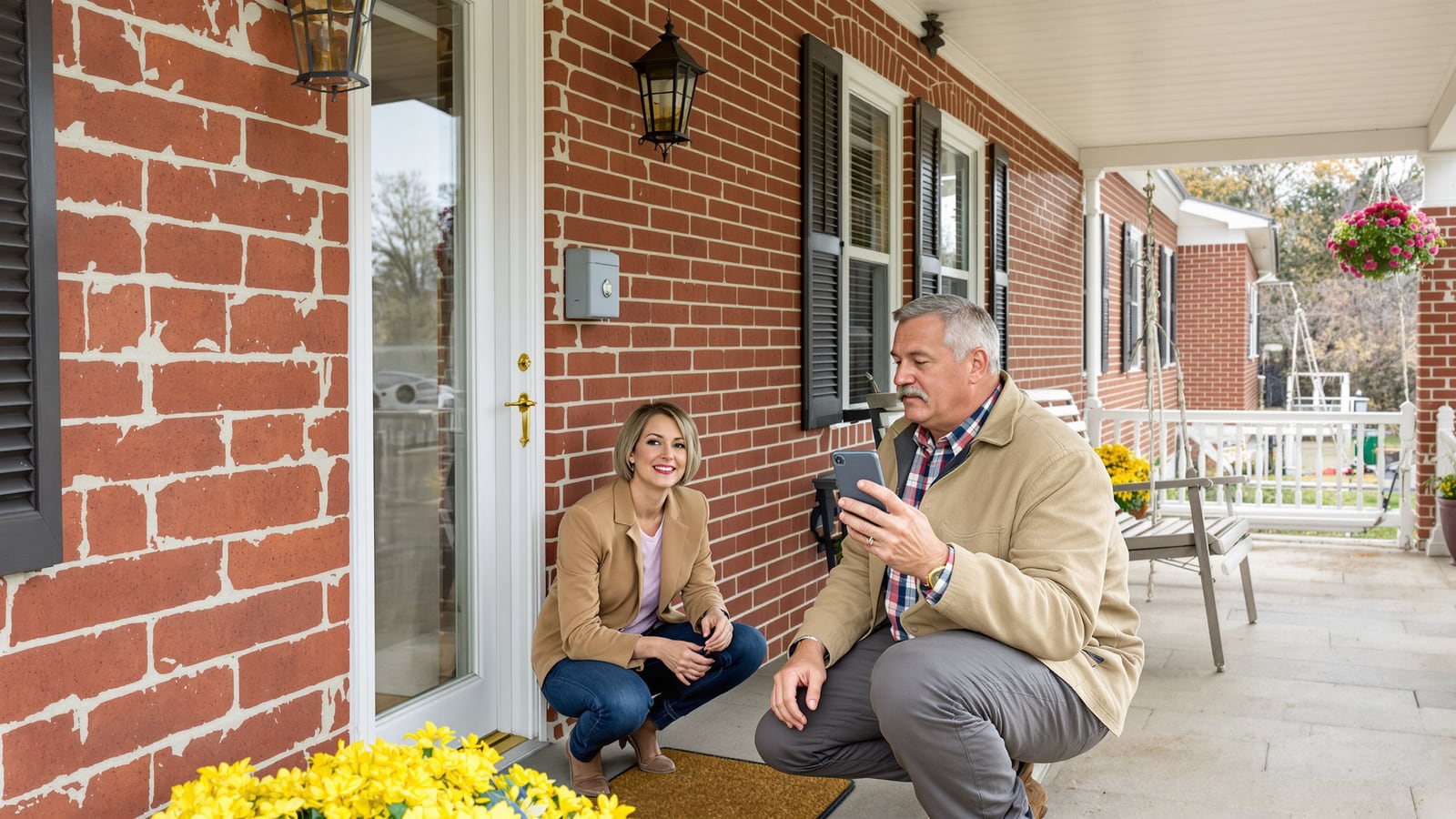
Quick answer: Between signing and closing, you get inside the house only when the contract or the agents arrange it. That means the inspection, any re-check of repairs, and a final walkthrough shortly before closing. Photograph and video every visit, with the date on it. Anything else is a favor from the seller, and favors don't protect you.
You're a guest until the deed records
Signing a purchase agreement doesn't make the house yours. You have a contract to buy it. The seller owns it, lives in it or has moved out of it, and keeps the keys.
So when a buyer lets himself in on a Saturday to "just measure for the couch," that's trespass. Not a gray area. The contract gives you specific access rights, usually tied to your inspection period and a final walkthrough, and your agent schedules them with the seller's agent. Contract terms, notice periods and customs vary by state and county, so read your own agreement and ask your agent or a real estate attorney what yours says.
Here's the timeline in the order it usually happens.
Visit one: showings and the second look
Before you make an offer, you've seen the place once or twice. Treat the second showing like work. Bring a phone, a flashlight and a tape measure, and ask permission through your agent for anything beyond looking, such as opening the electrical panel or lifting the access hatch.
Document: A slow video, room by room, with you narrating what you see. Photos of the water heater label, the HVAC data plate and the panel. You're building a baseline. Every later visit gets compared to this one.
Visit two: the inspection
This happens inside the inspection contingency window. Ten days is a common example, but yours may be shorter or longer. Your inspector does the work, and you should be there for the last hour so he can show you things rather than describe them.
The contingency is the only point where you can walk away or renegotiate over what's found, which is why the home inspection is your last cheap exit. Waiving it, or letting the window lapse, gives up that leverage. If you're in a competitive market, there are ways to compete without waiving your inspection.
Document: The inspector's written report, plus your own photos of every defect he points to, with something in the frame for scale. Get the date of each photo. Note any item the seller said was "just fixed" and check whether it looks like it was.
Visit three: the appraisal, and you're probably not invited
The lender orders an appraisal, and the appraiser visits the house. You usually aren't there, and you shouldn't expect to be. The appraiser works for the lender, not for you.
Still, this visit matters to you. If the number comes in under the price, you may face a gap to cover, a renegotiation or a way out, depending on your contract. Ask your agent whether you have an appraisal contingency and when it expires.
Document: Nothing on site. Keep the appraisal report when your lender sends it and read the condition notes. Appraisers flag things like peeling paint or a missing handrail, and lenders sometimes require those fixed before closing.
Visit four: the repair re-check
Say the inspection found a leaking drain trap and a dead outlet, and the seller agreed to fix both. Don't take that on faith. Ask for the invoices from the plumber and electrician, then arrange a quick re-check, either yourself with your agent or by sending the inspector back.
Document: A photo of each repaired item next to the line in the repair addendum that covers it. Copies of receipts and any permits. If the seller said he'd do the work himself, look harder. Plenty of "repairs" turn out to be a coat of paint over the problem.
Visit five: the final walkthrough
This is the one most buyers think of. It usually falls within a day or two of closing, and sometimes the morning of. Your contract and local custom set the timing, so confirm it.
Understand what it is. It is not a second inspection. You're confirming three things: the house is in the same condition as when you contracted, the agreed repairs are done, and everything that's supposed to stay is still there.
Go with a short list and work through it in order.
- Water: Run every faucet. Flush every toilet. Look under each sink with a flashlight, then check the ceiling below any upstairs bathroom for new stains.
- Power: Plug a small outlet tester, a few dollars at a hardware store, into every receptacle. Flip every light switch. Test the garage door opener and every remote.
- Heat and cooling: Run both. Give each a few minutes, and check that air actually comes out of the vents.
- Appliances: Run the dishwasher briefly. Turn on the oven and the burners. Open the fridge if it's staying.
- What conveys: Check the light fixtures, window coverings, mounted items and anything else your contract lists. Sellers have been known to take a chandelier they forgot to exclude.
- Condition: Look at the walls and floors near doorways. Movers are rough on both. Look for holes, gouges and trash left behind.
- Keys, remotes, codes: Make sure everything is accounted for or promised at closing.
Document: Video of the whole walk, then close photos of anything that's off. Do it with the agent beside you so there's a witness. Keep the files somewhere safe and send them to your agent the same day.
When the walkthrough goes wrong
You find a cracked window and a hole the size of a doorknob in the drywall. Closing is in thirty hours. What now?
Call your agent from the driveway. Don't wait until the closing table, because once you sign, your leverage mostly evaporates.
Your options are usually a repair before closing, a credit, a holdback in escrow, or a delay. Take an example, and treat the number as illustration only. A contractor quotes $1,800 to fix the damage. The seller might agree to a $1,800 credit, or the closing agent might hold that sum from the seller's proceeds until the work is done. What's allowed depends on your contract, your lender and your state. Your agent and the title or escrow officer can tell you, and for anything contested, a real estate attorney should be on the phone.
Also ask who carries the risk if the house is damaged before closing. Some states put it on the seller until the transaction is done, and others handle it differently. Know your answer before it matters.
One more thing: early access
Sooner or later a seller offers something friendly. Drop your boxes off early. Start painting. Move in a week before closing because you're between leases.
Say thanks and ask for it in writing, with an attorney's review. Without a signed early-occupancy or early-access agreement and the right insurance, you're a person with stuff and tools inside a house you don't own. If the deal dies, you've painted someone else's living room, and good luck with that conversation.
The twelve steps between preapproval and keys include more of these checkpoints, and the full sequence is laid out here. Your agent should be walking you through each one, and the questions that separate a good agent from a busy one will tell you if yours is.
This is general education, not legal or financial advice. Before you act on anything here, check with a licensed real estate attorney, your lender or your agent about what your state and your contract actually say.
Be polite. Be early. And take the video before you're sure you'll need it.
Ray Okonkwo
Money & Business
Former commercial banker turned small-business owner. Covers salary, credit, margins and the arithmetic nobody does before signing.

Watch
Worth an hour of your evening
More from Real Estate.
From channels we rate. Plays on YouTube.
Read next