

A disclosed defect is a price tag. Negotiate it like one.
The seller told you about the problem. That's the easy part. Getting it fixed, credited or priced in writing before your deadline is the real work.
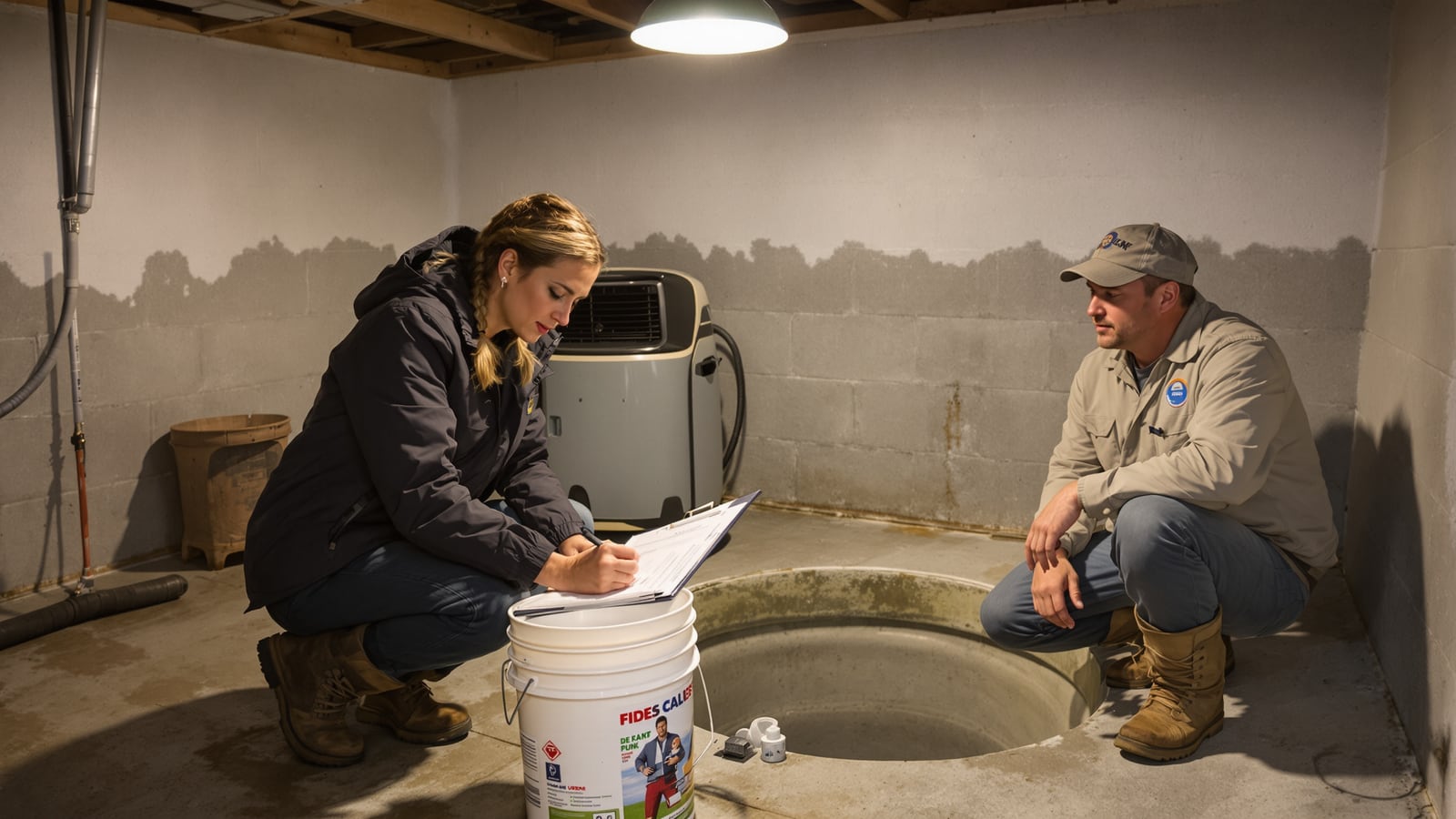
Quick answer: A disclosure tells you what the seller knows. It fixes nothing. Get a specialist's bid, pick a remedy (repair, credit, price cut or holdback), and put it in a signed amendment before your inspection deadline runs out.
Read the disclosure as a lead, not a diagnosis
Say you're looking at a house listed at $320,000. That figure is an example, not market data. The seller's disclosure form says: "Occasional dampness in basement after heavy rain. Sump pump installed 2022."
That sentence is carrying a lot of weight. How occasional? How much water? Did the pump solve it or just manage it?
A disclosure statement is the seller's written answer to a list of questions about the property's condition. What it has to cover depends on your state. Some require a detailed form. Some require very little. A few lean heavily on "as-is" sales and the buyer's own inspection. Your agent or a real estate attorney can tell you what your state requires.
Either way, it only covers what the seller knew and was willing to put on paper. Ask for the paper behind the sentence: receipts for the pump, any contractor reports, permits, warranty paperwork. A seller who fixed something properly usually kept the receipts. A seller who can't find any has told you something too.
Get a number from someone who does the work
Your general home inspector will flag the dampness and tell you to look further. That's the job. They won't price the fix.
Call the specialist. For water, that's a drainage or waterproofing contractor. For cracks, a structural engineer. For a roof, a roofer. For an old sewer line, a plumber with a camera. Do it inside your inspection window, which is why the home inspection is your last cheap exit. Spending a few hundred dollars on an engineer beats finding out in month three that the problem costs five figures.
On anything big, get two bids. In our example, one contractor quotes $9,500 for exterior regrading and a new pump. Another quotes $14,000 for interior drain tile and a pump with a battery backup. They're not the same job. Find out why before you decide which one you're negotiating for.
Be wary of the bid the seller brings you. It isn't necessarily dishonest. It's just the cheapest way to make the problem go away on paper.
Four ways to settle it
Same house, same defect. Here are the four remedies, with the catch in each.
The seller repairs it before closing. The problem is gone before you own it. But you don't pick the contractor, and the seller has every reason to pick the cheapest. Put the scope of work in the contract. Require a licensed contractor, permits where your county requires them, receipts, and any warranty transferred to you. Then have your inspector look at the finished work before you close.
The seller gives you a credit. Say $12,000 toward your closing costs. It's easy to write. But it doesn't fix anything, and you carry the risk if the bid was low. Lenders also cap how much a seller can contribute, and the cap depends on your loan type and down payment. Ask your lender before you ask the seller.
The seller cuts the price. From $320,000 to $308,000, for example. It's the cleanest option. Your loan is smaller, and you hire whoever you want. The catch is the appraisal, which has to support the new price, and the effect on your property tax assessment, which varies by county. Ask your lender about the first and a CPA or local assessor about the second.
A holdback. Sometimes the repair can't happen before closing because it's January and the roof is under snow. The seller's money sits with the title or escrow company until the work is done. Your lender has to approve this, and the agreement needs to say who hires the contractor, what counts as finished, and what happens to the money if the work isn't.
None of these is automatically best. If you trust your own contractor and the defect is big, take the price cut. If it's small and the seller's handyman is a licensed pro, a seller repair is fine. If the lender won't allow a credit that size, you've just learned the option is off the table.
Write it down before the clock runs out
Your purchase contract has an inspection or due-diligence contingency, usually a week or two. The length is in your contract. When it ends, your leverage ends with it.
Whatever you and the seller agree on goes into a signed amendment or repair addendum. That means:
- The specific defect, described the way the specialist described it.
- The remedy, with dollar amounts or the exact scope of work.
- Who pays, who hires, and the completion date.
- What proof you get: receipts, permits, a re-inspection.
- What happens if it isn't done by closing.
A promise from the listing agent in a text message isn't an amendment. Neither is "they said they'd take care of it." If it isn't signed by both parties, it didn't happen.
If you need more time to get a bid, ask for an extension in writing before the deadline. In some states a real estate attorney handles this paperwork as a matter of course. In others, your agent drafts it on a state form. Either way, have the attorney read it if real money is involved.
What usually goes wrong
The repair gets done the night before closing. You get a walkthrough at 9 a.m. for a 2 p.m. closing, with no time to bring an inspector back. Set the repair deadline at least several days before closing and put it in the amendment.
The work is unpermitted. The seller's cousin did it. Now the fix is on your property, and the next buyer's inspector or the county will find it. Ask what permits are required where you live.
You ask for everything. A forty-item list with the cracked outlet cover and the sticky window sitting beside the foundation issue gives the seller an easy reason to dig in. Pick the defects that affect safety, structure or large dollars. Let the cosmetic stuff go. Be fair, and be firm on the thing that matters. You're negotiating with a person who also wants to close.
The lender has opinions. FHA and VA appraisals can require certain repairs before the loan funds, including peeling paint on older homes, a failing roof or safety hazards. Your loan officer will know the rules for your loan.
You skip the final walkthrough. It's your last chance to confirm the work is done. If it isn't, don't sign on a promise. Talk to your agent and attorney first about whether to delay or use a holdback.
Know when to walk
Sometimes the specialist comes back with news worse than the disclosure. The foundation movement is active, not old. The "occasional dampness" is a failed drain system under the whole slab. The bids are triple what the seller will credit.
You can still renegotiate, and a seller who wants out may meet you. But if they won't, the contingency exists so you can leave with your earnest money. It's easier to lose a few hundred dollars in inspection fees than to buy a house you can't afford to fix. The same thinking applies to your loan itself: the bank will lend you the money, but nobody else will cover the repair. And if you're competing with other offers, you can stay competitive without waiving your inspection.
The twelve-step path from offer to keys, from preapproval to closing, has a spot for every one of these decisions. The disclosed defect is just the one with a dollar figure attached.
All numbers above are illustrative examples, not current market data. Disclosure rules, inspection deadlines, permit requirements, lender caps and tax treatment vary by state and county. This is general education, not individual legal, tax or financial advice. Before you sign an amendment, check with a licensed real estate attorney, your lender and your agent, and a CPA on the tax questions.
Buy the house you can see all of. The seller already showed you part of it, so go find the rest.
Ray Okonkwo
Money & Business
Former commercial banker turned small-business owner. Covers salary, credit, margins and the arithmetic nobody does before signing.

Watch
Worth an hour of your evening
More from Real Estate.
From channels we rate. Plays on YouTube.
Read next