Negotiating, for men who hate negotiating
Four habits that get you a better deal without turning you into the guy who haggles at the supermarket.
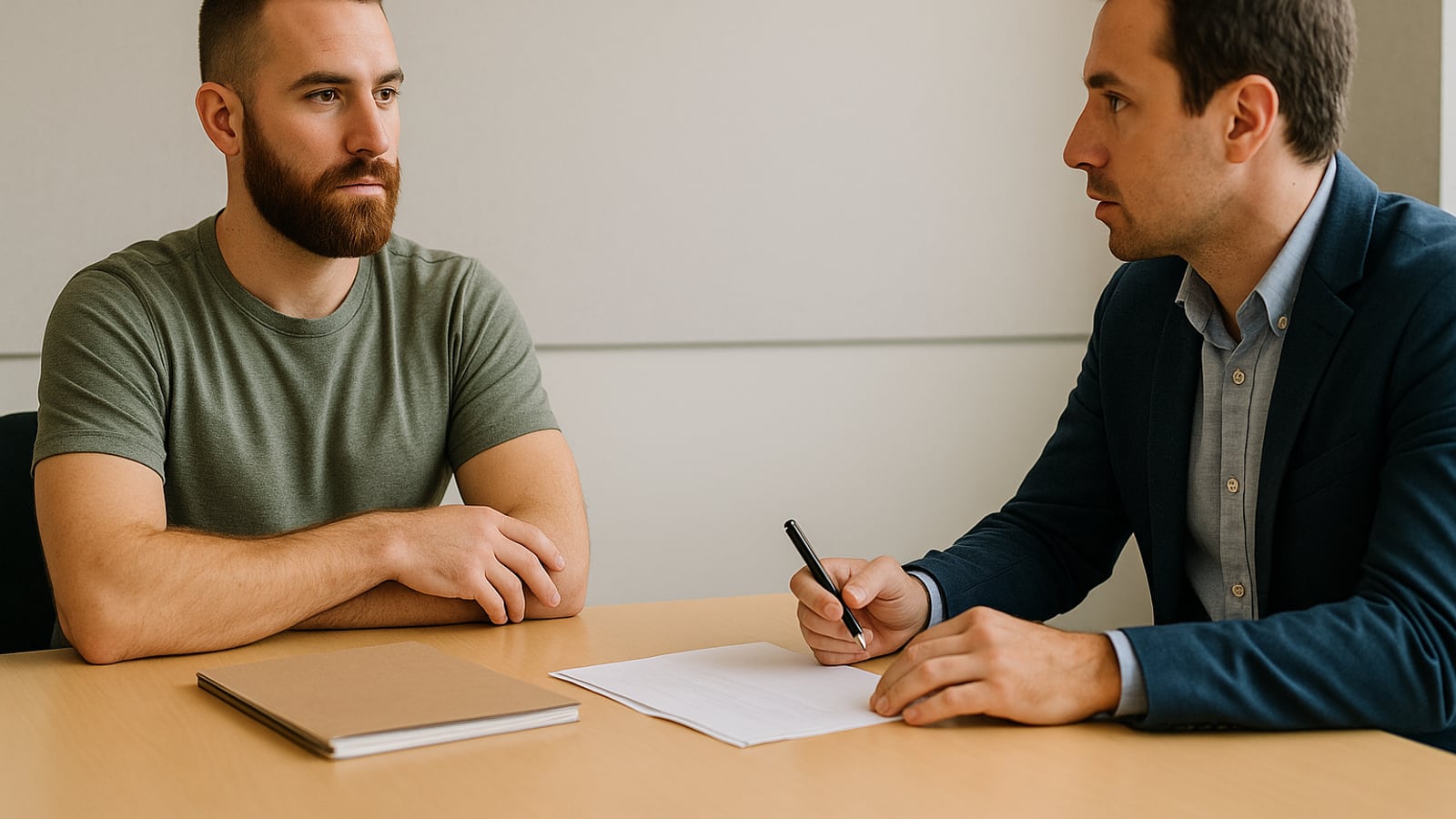
Most people think negotiating means being difficult. It doesn't. The best negotiators I have watched are conspicuously pleasant. What they're is patient, prepared, and comfortable with silence — three things that have nothing to do with aggression.
Know your walkaway before you start
Write down, in advance, the point at which you'd rather have no deal. An actual number or condition, written down, before any conversation happens.
This single act changes everything downstream. Without it, every concession feels survivable, because there's no line to cross. With it, you know precisely when to stop, and you stop calmly rather than storming off.
Your walkaway is also the only real source of leverage in the room. Not volume, not confidence, not technique — the genuine willingness to leave.
Let them go first when you know less
The advice "always name first" is only half right. Naming first sets the anchor, which is powerful — when you know the market.
When you don't know the market, naming first is how you accidentally ask for half of what was available. If you genuinely don't know what the range is, deflect once: "What did you've in mind?" or "What's the budget for this?" Then negotiate from their number.
The rule is: anchor when you're informed, listen when you aren't.
Silence is a tool and you're allowed to use it
Make your ask. Then stop.
The pause will feel excruciating and it'll last about four seconds. Almost everyone fills it — and when they fill it, they negotiate against themselves. "...but obviously if that doesn't work" has cost more money than any other phrase in commercial history.
Just wait. It's the highest-return habit on this list and it requires no skill, only nerve.
Trade, never concede
Every movement should be conditional. Not "fine, I can do it for less" but "I can do that number if we move the deadline out two weeks" or "at that price it's the smaller scope".
Two reasons. It stops the slide — an unconditional concession teaches the other side that pushing works, so they push again. And it often uncovers something they value more than money and you value less, which is where the genuinely good deals come from.
The part that matters most
Preparation beats technique, every time, and it isn't close.
Before anything important: what do they need, what are their alternatives, what's mine, what's the number, what's the walkaway. Half an hour with a pen.
The person who has done that half hour wins against the person who has read three books on tactics, almost every time.
Marcus Vale
Editor-in-Chief
Twenty years in magazines, most of it deciding what to cut. Writes about work, discipline and the decisions that compound.

Watch
Worth an hour of your evening
More from Skills.
From channels we rate. Plays on YouTube.
Read next