Fix the clothes you own before you buy anything new
An hour with your closet, one trip to a tailor and about sixty bucks will do more for how you look than another jacket will.
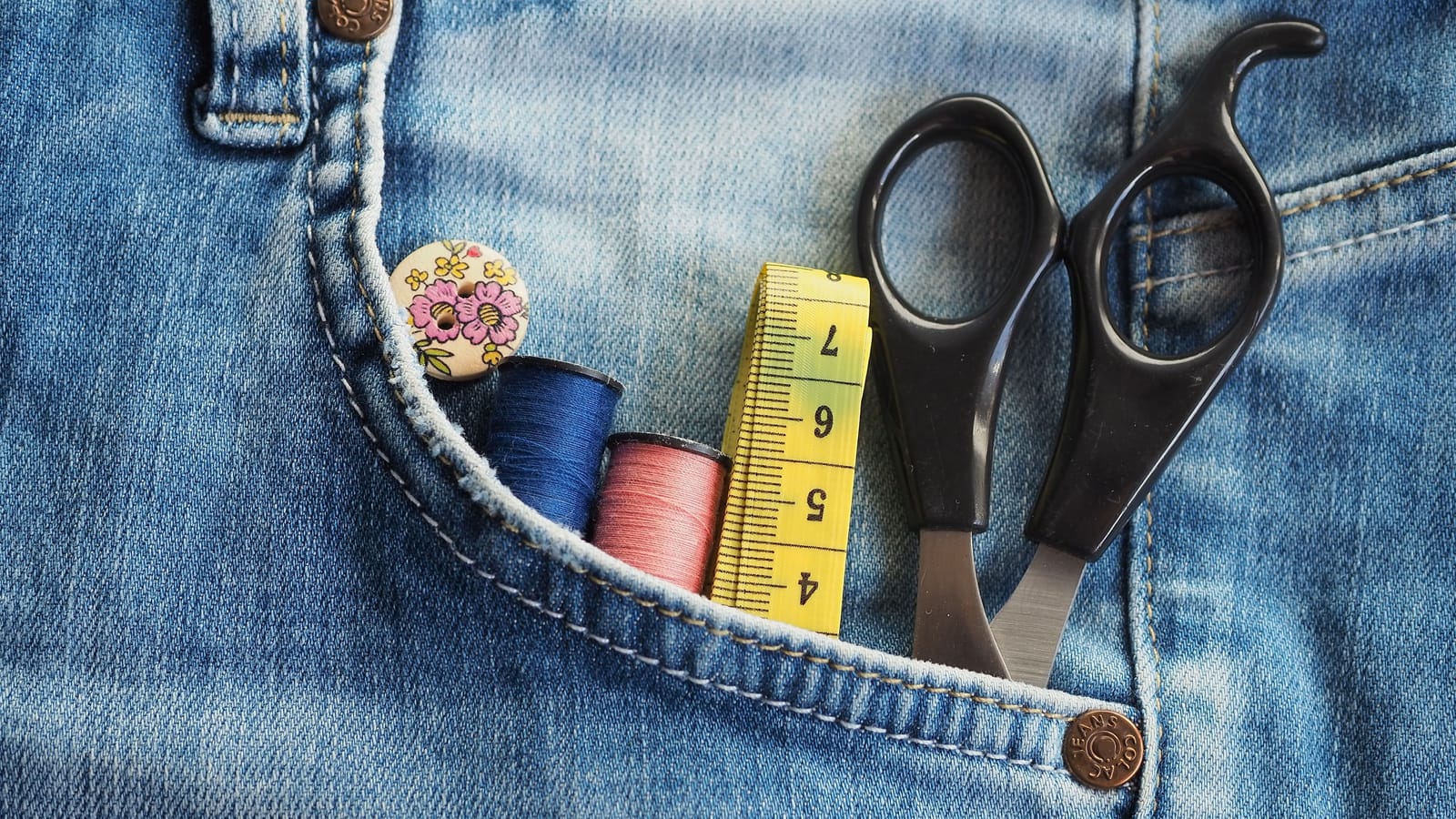
Pull every shirt you own out of the closet and lay it on the bed. Not to be dramatic. To count. Most guys in their thirties have somewhere between ten and twenty button-up shirts and wear four of them. The other dozen are there because they cost money once and nobody ever told them to leave.
That pile is where your style budget should go first. Not because thrift is a virtue, though it is. Because the clothes you actually wear are already proven. They fit your life, your commute, your weather. What's usually wrong with them is fixable for the price of a decent lunch.
Sort by whether you'd wear it tomorrow
Three piles, and be unsentimental. Wear it tomorrow without thinking. Would wear it if one thing were different. Haven't worn it in a year.
The third pile leaves the house. Donate it, hand it to a younger cousin, cut it up for rags. A shirt you've skipped over 300 mornings in a row isn't going to have a change of heart.
The second pile is the whole point of this exercise. Write the one thing down on a sticky note and put it in the breast pocket. Sleeves too long. Collar shot. Missing button. Baggy through the seat. That note is your work order.
And be honest about the first pile too. If four shirts are carrying you, those four are your actual style. Everything you buy from now on should look like them, just better made.
What a tailor fixes for under a hundred dollars
Find a real alterations shop, not the dry cleaner's drop-off. Ask what they charge before you hand anything over, and take four or five items in one trip so you only make the drive once.
The alterations worth paying for, roughly in order of how much they change the way a garment reads:
- Dress shirt sleeve length. The cuff should sit at the base of your thumb, where the wrist bone bumps out. Most off-the-rack sleeves run long on men under 5'11". Shortening a sleeve properly means moving the placket and the cuff, and it usually runs in the twenty-dollar neighborhood. Worth every cent.
- Taking in a shirt body. Two darts down the back, or the side seams brought in. If you can grab more than a fist of fabric at your ribs, you're wearing a tent with a collar.
- Tapering trousers and chinos below the knee. You don't need a skinny leg. You need the hem opening to stop flaring over your shoe. Ask for a clean taper from the knee down and tell them you want to keep room in the thigh.
- Seat and waist on pants. Losing or gaining fifteen pounds in your thirties is normal. Taking a waistband in an inch and a half is cheap and nobody can tell.
- Cuff circumference. Nobody thinks about this and everybody should. A shirt cuff you can slide off over your hand without unbuttoning it's too big. Have it narrowed a half inch and your watch stops fighting your sleeve.
Things not worth paying for: shoulders on a jacket, anything on a garment whose fabric is already thin and pilled, and lengthening anything. There's rarely enough seam allowance to give you what you want.
The fixes that don't need a tailor
Pilling on wool comes off with a sweater comb or one of those pumice-looking stones. Ten bucks, ten minutes, and a three-year-old merino crewneck goes back to looking like a shirt instead of a car-seat cover. Work in one direction, light pressure, and empty the fuzz into the trash as it builds up.
Buttons. Go around every jacket and shirt and tug each one. Any that wobble, resew now, because a button lost in a parking lot is a garment out of rotation for a month. While you're at it, look at what's on your navy blazer. If it's four shiny black plastic discs, replace them with matte horn-look buttons. A card of them costs a few dollars, the swap takes half an hour with a needle, and it's the single cheapest upgrade in men's clothing.
Throw out the plastic collar stays that came in your shirts and buy metal ones. Your collar points will stop curling up like they're embarrassed.
Shoes get new laces. Flat waxed cotton for dress shoes, and match the length to the eyelet count instead of buying whatever's on the hook. If the heel is worn down on one side and you can see the layers, take them in for a heel replacement before it eats into the midsole. Cedar shoe trees go in the pair you wear most. They're not a luxury item, they're a shape-holding tool, and they cost less than a tank of gas.
The stuff that still fits but now dates you
This is the hard part of your thirties. Nothing is worn out. It just belongs to a younger guy.
The college fleece with the cracked screen print. The black going-out shirt with the contrast stitching. Square-toe dress shoes. Bootcut jeans with factory whiskering across the thighs. Any t-shirt whose collar has gone wavy, because a stretched collar is terminal and no wash fixes it. The cargo shorts that hit below the knee.
You don't have to burn them. Demote them. Two of those tees become the shirts you paint in, the fleece lives in the truck for cold mornings at the field, and the rest go out the door. What you don't do is keep wearing them to a restaurant on a Friday and wonder why you feel like the chaperone.
Retiring something and replacing it are separate decisions. Get the retiring done this weekend. The replacing can take six months.
Replace one at a time, and replace up a weight class
When you do buy, buy the same garment heavier. That's the whole strategy for a thirties wardrobe, and it costs less than reinventing your look.
A t-shirt in the 5.5 to 6 ounce range holds its shape through a summer. The 4-ounce ones you've been buying in packs go transparent and shapeless by August. Chinos at 9 or 10 ounces hang straight instead of clinging. An oxford shirt in real oxford cloth, thick enough that you can't read a newspaper through it, looks deliberate untucked in a way that a thin poplin never will.
Fit first, fabric second, brand a distant third. A forty-dollar shirt that fits your shoulders and got twenty dollars of sleeve work beats a two-hundred-dollar one hanging off you, and it isn't close.
One more habit worth building: check the care tag before the register, not after. If it says dry clean only and it's a shirt you'd wear twice a week, you're signing up for a bill you'll resent by October. Machine-washable wool exists. Buy that instead.
Do the bed-pile thing on a Saturday morning with coffee. You'll be done by ten, you'll have four items in a bag for the tailor, and you'll know exactly what you own for the first time since you moved.
Then go put the empty hangers in the garage. You won't need them for a while.
Dean Shaw
Gear & Garage
Reads the warranty, the parts list and the long-term owner reviews before anything else. Trucks, tools, watches, and the cheap version that costs more.

Watch
Watch how it's done
Picked for this article.
From channels we rate. Plays on YouTube.
Downtown Tailoring
5 Alterations Tips and Tricks that I use Everyday as a Professional Tailor
Kiana Bonollo
Altering a ton of my clothes + TUTORIALS (I’m a professional tailor!)