Book the permit before you buy the rod
A backcountry fishing trip is won or lost months before the first cast. Permits, seasons, gear, and the one day worth paying a guide for.
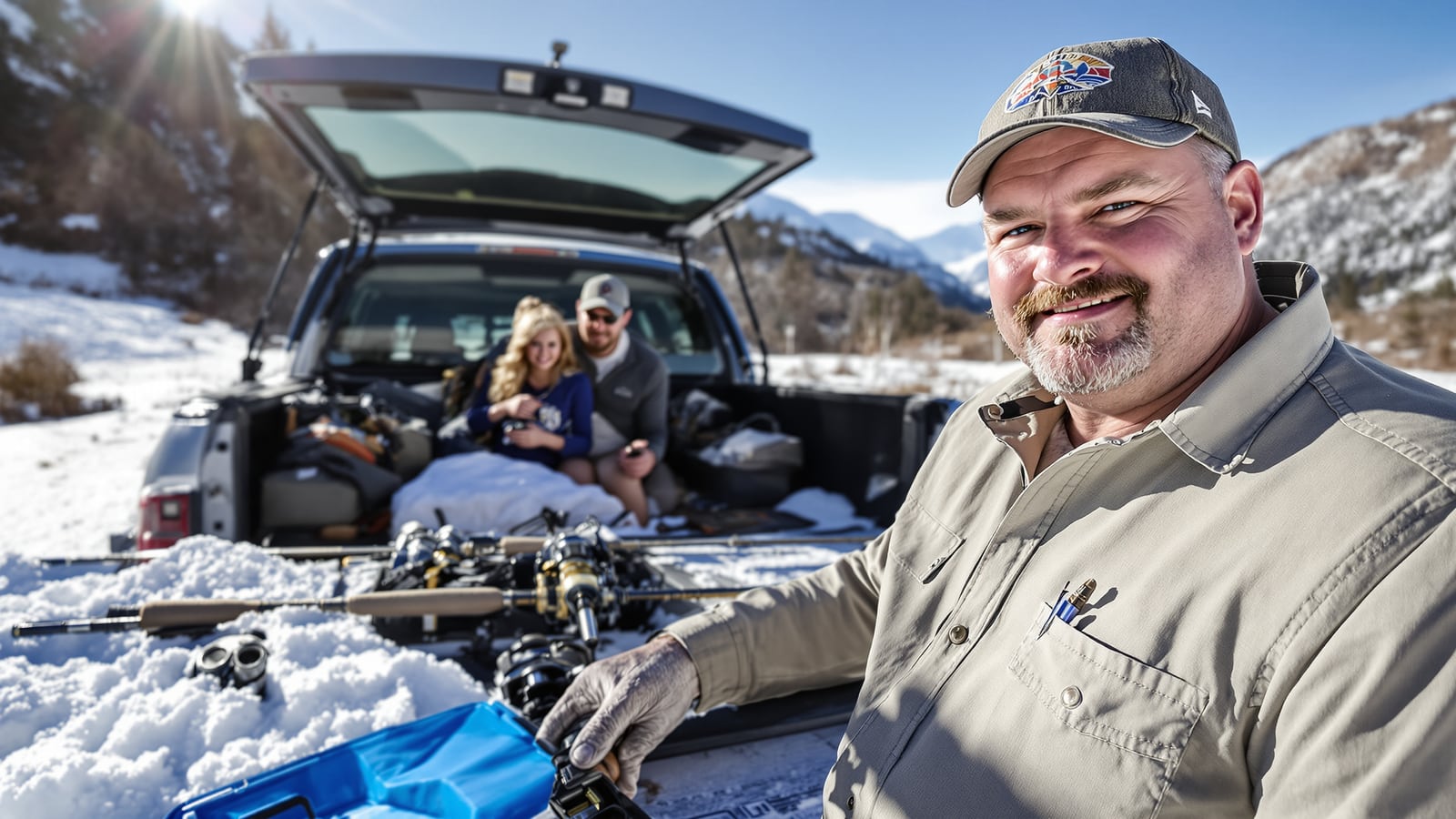
Quick answer: Permits and season dates decide the trip, so lock those down first. Pack the camp before you pack the tackle. Hire an outfitter when a mistake means a rescue, or when you only get one shot at the water.
Start with the calendar, not the tackle shop
Picture it. You've driven eleven hours to a trailhead with a new pack rod and a cooler of good intentions. The ranger station has a sign on the door: overnight permits for this basin are issued by lottery, and the window closed in spring.
It happens every season, and it's entirely avoidable. Most guys plan backward. They buy gear, then pick a lake, then check the rules. Reverse it.
You need up to three pieces of paper:
- A fishing license for the state you'll be fishing in. Nonresidents pay more, and some waters or species want an extra stamp or endorsement.
- A backcountry or overnight permit from whoever manages the land: National Forest, National Park, BLM or a state agency. Popular zones cap the number of campers per night, and some run lotteries.
- The special regulations for your exact water. Catch-and-release only. Barbless hooks. Artificial lures only. Slot limits. These can change from one creek to the next, and "I didn't know" doesn't work on a game warden.
The annoying part is that these come from different agencies with different websites and different deadlines. Put each one in a calendar with the date it opens. Then call the ranger district office. They answer phones, and they'll tell you things no website does, like whether the pass is still under snow.
Two seasons, not one
Every trip runs on two calendars, and they don't always agree.
The fishing season is what the regulations say. Some waters close during spawning to protect the fish. Others open late, or only for certain species.
The access season is what the mountain says. Snowmelt can leave a river high, cold and the color of chocolate milk, and fishing it is a waste of a weekend. Trailheads can sit under snow well past the date the fishing opens. Late summer brings fire restrictions, which can mean no campfire and sometimes no stove either. Early summer brings mosquitoes that will make you rethink the whole idea.
Shoulder seasons have fewer people and better solitude. They also have worse weather and thinner margins. If it's your first backcountry trip, aim for the stable middle of the local season, and ask the ranger district what that is.
Pack the camp first
Fishing is the reason you're going. Staying alive and comfortable is the job. Pack in that order, because you'll carry all of it on your back.
Camp and safety:
- Shelter, and a sleeping bag rated colder than the forecast
- A water filter, and a stove with enough fuel for one more meal than you plan
- Food stored the way the area requires: a bear-resistant canister, a proper hang, or both
- A paper map and compass, plus offline maps on your phone. Phones die, and signal is a rumor out there.
- A satellite messenger if the trip is remote enough that nobody will pass you for days
- A headlamp with spare batteries
- A first aid kit you've opened and looked through, not one you bought and forgot
- Bear spray, within reach and not buried in the pack. Where it's lawful, many experienced hands also carry a firearm in bear country. Know the federal, state and local rules for the land you're on before you go, and don't carry anything you haven't trained with.
Fishing:
- A four-piece pack rod and one reel you trust
- Spare leader and tippet. You'll lose more than you think.
- A small box of flies or lures that locals actually use, which the fly shop will tell you for the price of a few purchases
- Forceps or pliers to pinch barbs and release fish cleanly
- Your license in a waterproof bag
Check the wading rules too. Some states ban felt-soled boots, because felt carries invasive species from one stream to the next. Clean and dry your boots and gear between waters either way.
A broader packing note: everything above has to fit, and every pound counts by mile six. One bag, one week, and nothing you don't use covers the discipline of leaving things at home.
And leave it better than you found it. Pack out every inch of line, including the tangle somebody else left in the willows. Bring one extra trash bag. Break camp cleaner than you made it.
When to hire an outfitter
There's a bit of pride in doing it all yourself. Don't let it cost you the trip.
Hire an outfitter when:
- It's your first time in that region. Reading unfamiliar water is a skill, and the local knowledge is the product.
- Access is hard. Fly-in lakes, horse-packed camps and float-only stretches are where a mistake gets expensive fast.
- You only get one shot. If this is the one week your group can travel, don't spend three days of it finding out where the fish aren't.
- Your group is mixed. Kids, a first-timer, or a buddy who's never slept in the backcountry changes the math.
- The land requires it. Some waters and public lands limit commercial use to permitted outfitters, and some areas require a licensed guide.
Skip the outfitter when there's a well-marked trail to a lake you can reach in a day, or when someone in your group has fished it and will show you the ropes.
One trick that saves money: hire the guide for day one only. You'll learn the local flies, how to read the water, where the fish hold at what time of day. Then you go on alone, with your own camp and a head start.
How to vet one
Ask whether they're licensed by the state, and whether they carry insurance. Ask for references from recent clients and call two of them. Get the all-in number in writing, including what's covered: license, meals, gear, shuttles. Ask the cancellation terms before you hand over a deposit. Tipping the guide is customary, so ask what's normal for that outfit and budget for it.
A good outfitter will welcome every one of those questions. If one gets defensive, you've learned what you needed to know.
The drive in, and the people you tell
The trailhead is part of the trip. If you're driving all day to reach it, plan the drive like one, and Planning a road trip that's still fun on day four will help. Going with buddies? How four friends share a car for a week without falling out is worth reading before you split the gas.
Before you leave, write down where you're going, which route you're taking, and when you'll be back. Give it to your wife or someone you trust, with a time to call for help if they haven't heard from you. Then stick to it. A late return you didn't announce turns into a search, and a search turns into a bad day for a lot of people who did nothing wrong.
The fish have been there all season. They can wait while you finish the paperwork.
Dean Shaw
Gear & Garage
Reads the warranty, the parts list and the long-term owner reviews before anything else. Trucks, tools, watches, and the cheap version that costs more.

Watch
Worth an hour of your evening
More from Travel.
From channels we rate. Plays on YouTube.
Read next