Settle the rental car insurance question before you reach the counter
The agent gets about ninety seconds to upsell you. Two phone calls at your kitchen table tell you what to say, and what to skip.
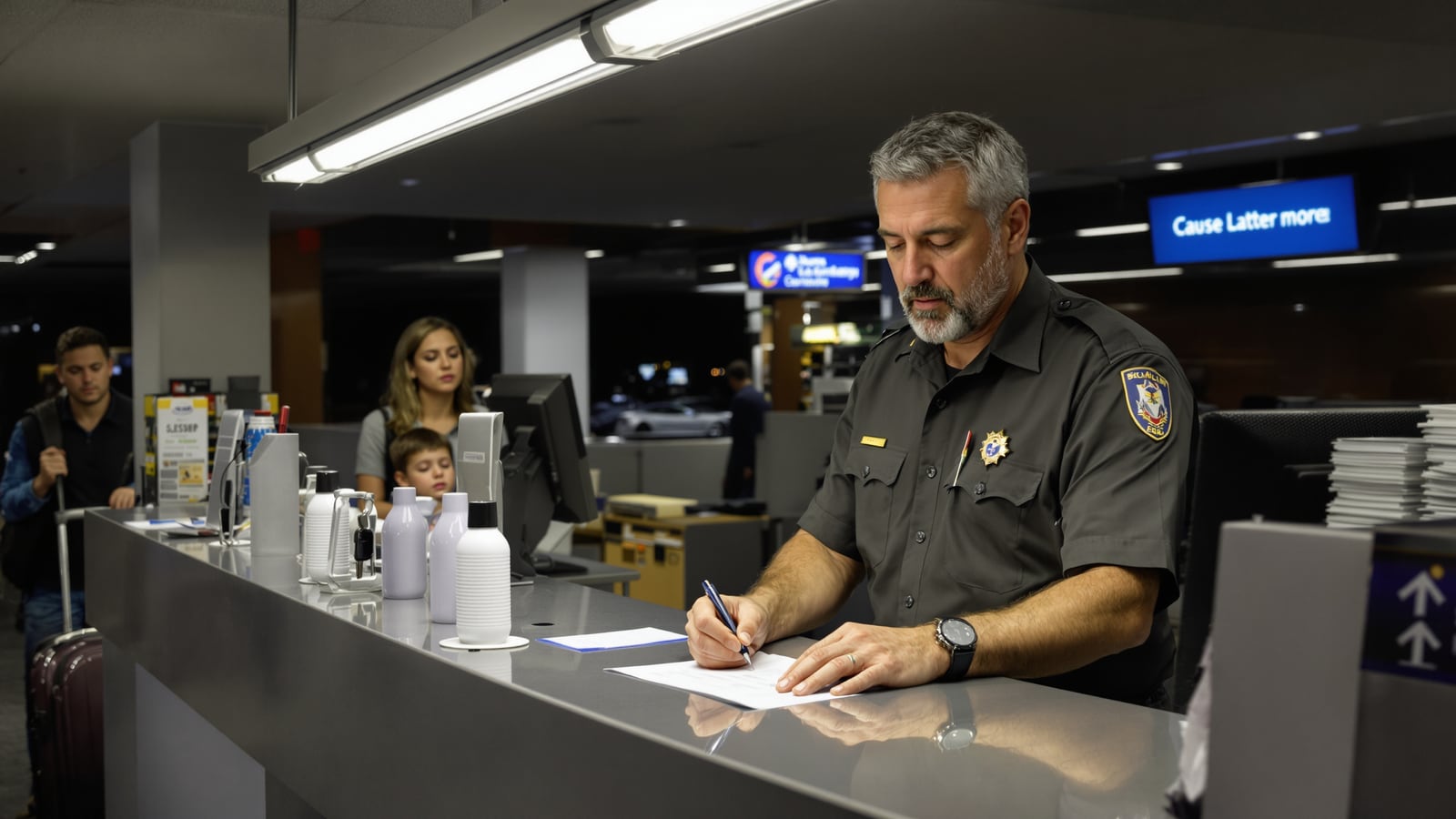
Quick answer: Call your auto insurer and your credit card company a week before you fly. Ask what covers damage to the rental and what covers injury or damage to other people. Then you'll know which of the counter's add-ons are worth paying for, and you won't be deciding it with a line behind you.
The ninety seconds that cost people money
You land at nine at night. Your kids are fading, your wife is holding the bags, and the agent turns the screen toward you with three boxes to initial. Every one of them has a daily price. Multiply by seven and it's real money.
Most people either say yes to everything out of fatigue or say no to everything out of stubbornness. Both are guesses. Neither is a plan.
The fix is boring and it works. Know what you already have before you stand at the counter.
What the counter is actually selling
The names change by company, but there are four products.
Collision or loss damage waiver (CDW/LDW). This isn't technically insurance. It's an agreement that the rental company won't bill you if the car is damaged or stolen. It's the expensive one and the one most worth researching.
Supplemental liability. This covers other people: their cars, their medical bills, their lawyers if it gets ugly. Rental cars usually come with only the minimum liability the state or country requires, and that minimum can be low. For a man with a family, a house and a paycheck, this is the coverage that matters most.
Personal accident and effects. Medical for you and your passengers, plus theft of belongings from the car. Your health insurance and your homeowner's or renter's policy often overlap with this. Ask them.
Roadside and extras. Lockouts, flat tires, a second driver, a toll pass. Handle these case by case.
Call number one: your auto insurer
Ask your agent four questions, and write the answers down.
- Does my policy extend to a rental car on a trip in the U.S.? (For many personal policies it does. Not all.)
- Do my collision and liability limits carry over, and does my deductible apply?
- Does it cover "loss of use," the money the rental company says it loses while the car sits in the shop? What about administrative fees and diminished value?
- What happens to my premium if I file a claim on a rental?
That last one is the annoying part. Even when your policy covers the rental, a claim goes on your record. A scraped bumper that costs $900 to fix can cost you more over three years if it nudges your rates up. Some people pay the waiver precisely to keep their own insurer out of it. That's a sensible reason, and you may land there.
If you're renting abroad or in Canada, ask specifically. Coverage that follows you across a state line doesn't always follow you across a border.
Call number two: your credit card
Many cards include a rental car damage benefit. People hear "my card covers it" and stop asking questions. That's where trouble starts.
Ask the benefits administrator, using the number on the back of the card:
- Is the coverage primary or secondary? Secondary means it pays only what your own auto insurance won't, so you still file with your insurer first. Primary pays first. Some premium cards offer primary. Many don't.
- Do I have to decline the rental company's waiver completely? Usually yes. Accepting theirs can void the card's benefit.
- Do I have to pay for the whole rental with that card, in the name of the cardholder who's the driver? Usually yes.
- Which vehicles are excluded? Pickup trucks, large vans, luxury and exotic cars are commonly left out.
- Is there a rental length limit? Many cap coverage at 15 or 30 days, which a week trip clears easily.
- Which countries are excluded? Some are routinely left off the list. Ireland is the famous example.
Then ask the question that settles the whole thing: does it cover liability? In most cases it doesn't. A card benefit is about the car, not the other driver. So the card may cover your damage waiver need and leave your biggest financial risk wide open.
Debit cards generally carry no rental coverage at all.
If the benefit applies, ask them to email the written terms. You want that document on your phone at the counter. If the agent pushes back, you can calmly point to it.
Matching your answers to the counter
Put your two calls side by side and you'll land in one of three places.
Your insurer covers collision and liability, and your card backs up the deductible. Decline the waiver. Consider the supplemental liability only if your own limits are thin.
Your insurer covers it, but you don't want a claim on your record. Buy the waiver for this trip, knowingly. You're paying for a clean file, and that's a fair trade.
You don't own a car, so you have no auto policy. Your card's secondary coverage may have nothing to sit behind, and your liability exposure is real. Ask the card whether it becomes primary when you have no other insurance. Then look hard at the rental company's liability product or a standalone policy.
I can't tell you which box you fit in. I don't know your policy, your state, or your card. That's exactly why the calls matter, and why your agent and the card's benefits line are the people to ask.
At the counter
Be polite and be a wall. "No thanks, I'm covered" is a complete sentence. You can say it three times. Agents are trained to ask again, and the second ask isn't a sign you made a mistake. You're serving your family by protecting the vacation budget, and you don't owe anyone a debate.
Two more traps. Prepaid fuel is usually a bad deal unless you plan to return the tank nearly empty, and nobody plans that well. And check the paperwork for add-ons that slipped onto the contract, such as a roadside package or an upgrade you didn't pick.
Before you leave the lot
Walk around the car and shoot a slow video on your phone. Include the wheels, the windshield, the roof, the bumpers, the odometer and the fuel gauge. Get the interior too. Narrate anything that's already scratched. Make sure the agent notes existing damage on the form, and don't accept "oh, that's nothing."
This takes four minutes. It's the cheapest insurance in the whole conversation.
If you're sharing the car on a group trip, every driver has to be on the contract. An unlisted driver can void coverage, both the rental company's and your card's. Four friends sharing a car for a week covers how to split the driving without splitting the friendship.
Bringing it back
Leave it better than you found it. Fill the tank at a station a few miles from the lot, not the one across from the entrance with the inflated price. Shake out the floor mats. Toss the fast-food bags and the sand. A clean car makes any damage dispute less likely, and it's how a decent man returns something that isn't his.
Have an employee check the car in and hand you a closed-out receipt. Keep your pickup video and your return photos until the card statement posts and the final charge looks right. A week after you're home, check the statement once more.
And if you're planning the longer drive itself, planning a road trip that's still fun on day four is worth a read before you book.
Two phone calls, one email, four minutes with a camera. That's what separates a vacation from a billing dispute that follows you home.
Dean Shaw
Gear & Garage
Reads the warranty, the parts list and the long-term owner reviews before anything else. Trucks, tools, watches, and the cheap version that costs more.

Watch
Watch how it's done
Picked for this article.
From channels we rate. Plays on YouTube.
Clark Howard: Save More, Spend Less
My Credit Card Offers Rental Car Coverage. Why Do I Still Need To Involve My Primary Insurance?
FOX5 Las Vegas
Consumer Reports: Do You Need Rental Car Insurance?
Read next