The expensive part of a fly-in trip is the question you didn't ask
Private hunting lodges, fly-in camps and working ranches are worth every dollar, as long as you ask the right questions before the deposit.
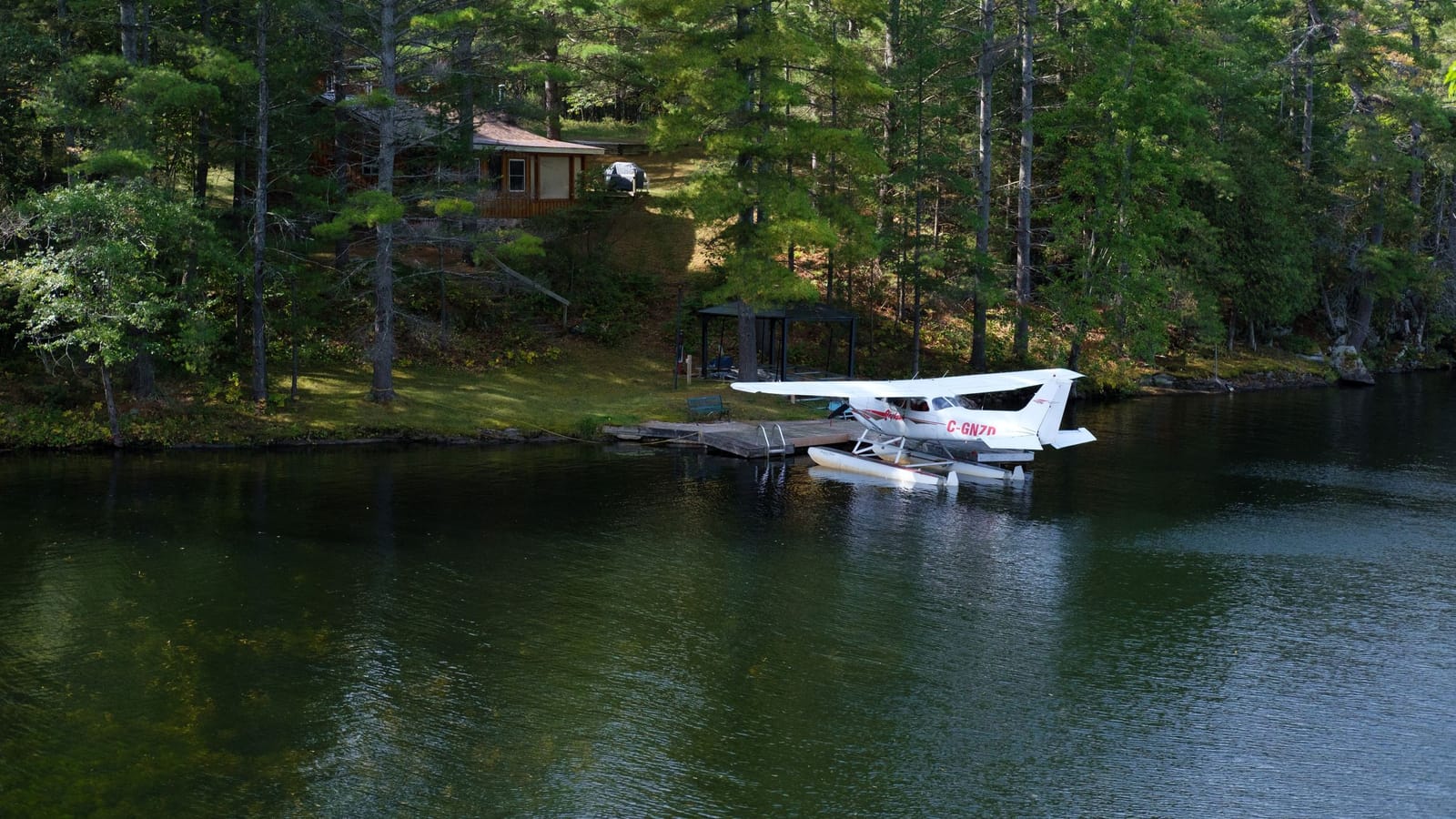
Quick answer: Decide which of four trips you actually want, then get six straight answers from the outfitter before you send a deposit. And leave one empty day between the last flight out of camp and the flight home.
It's Saturday morning in Red Lake, Ontario, and the fog is sitting on the water like it pays rent. Your floatplane to the outpost was supposed to leave at seven. The dock guy says maybe noon. Maybe tomorrow. Your week on the lake just became six days, and nobody's refunding the seventh.
That isn't bad luck. It's the job. Floatplanes don't fly blind, and anybody who books a fly-in trip without planning for weather is renting disappointment at a premium. The same goes for private hunting ground and remote ranches. These are some of the best trips a man can take with his sons, his father or his wife, and almost nobody outside a small circle knows how to book one well.
Know which trip you're buying
These places look alike in the photos: log walls, a lake, somebody holding a fish. They're four different products.
- American plan lodge. Meals, guide, boat and usually cleaning your catch are included. You show up, you fish or hunt, you eat somebody else's cooking. This is the one for a first trip or for anybody who'd rather not run a camp.
- Housekeeping outpost. A fly-in cabin, often the only one on the lake, with a boat, a motor and some way to call the base. You bring and cook your own food. It costs less and demands more. You're the guide, the cook and the medic.
- Guided hunt on private ground. This means a ranch or a leased property with an outfitter. In much of the West it's also a way around the public tag draw, through landowner tags or programs like Colorado's Ranching for Wildlife. In Texas, where most land is private, it's often the only practical option.
- Guest ranch. Horses, trail rides, cattle work if the ranch is a working one, and usually a Sunday-to-Sunday week. These are the family trips on this list. The Dude Ranchers' Association is a decent place to start looking.
Pick the product first. A father who books a housekeeping outpost for his wife and two kids under ten, thinking it's a lodge, finds out on day one that he signed up to cook three meals a day on a propane stove for a week.
The price on the website is the smallest number
The posted rate is real. It's also missing half the trip. Before you compare two outfitters, add up what each price leaves out:
- Getting to the jump-off town. Red Lake, Ely or a ranch two hours past the last paved road isn't next to a major airport.
- A hotel the night before and possibly the night after.
- Licenses and tags, which are almost never included and can cost more than you'd guess for nonresidents. Ontario requires nonresidents to have an Outdoors Card on top of the fishing license.
- Meat processing, caping, shipping, or a taxidermist, if you hunt.
- Gratuities for guides and camp staff. These are customary and they aren't small. Ask the outfitter what's normal. A good one will tell you plainly.
- Extra baggage on the floatplane, or a second flight if your group overpacked.
The honest way to compare is total cost per person, door to door. The cheaper lodge can easily turn out to be the expensive trip once you add the second hotel night.
Six questions before any deposit
Call. Don't email. You learn more from how somebody answers the phone than from anything on the website.
- What's the weight limit on the plane, per person, including coolers? Fly-in operators set these by the aircraft, and they mean it. Pack to the number. For the rest of the year, one bag and nothing you don't use is a nice idea. On a Beaver it's physics.
- What happens if weather delays the flight in or out? Do you lose the day, get it back, or pay for an extra night in town? Get the answer in writing.
- What's the success rate, and how do you count it? For hunts, "opportunity" and "harvest" aren't the same thing. Ask for both.
- Can I talk to three clients from last season? Not the testimonials page. Phone numbers. If they dodge this, walk away. It's your money, and a good outfitter is proud of his references.
- What's the cancellation and deposit policy? Deposits for hunts often go nonrefundable early. Look at trip insurance that covers outdoor travel, and read what it actually excludes.
- What does the guide-to-client ratio look like on the ground? One guide for two hunters is a different trip from one guide for four.
The annoying part is how many people skip question two. It's the one that decides whether a fog morning costs you a day or costs you the whole trip.
Paperwork that trips people at the border
A lot of the best fly-in water is in Canada, so the border comes into it.
You need a passport. If you're bringing a firearm for a hunt, Canada requires a Non-Resident Firearm Declaration, filled out ahead of time and signed in front of the border officer, not before. Some firearms can't come in at all. Check the Royal Canadian Mounted Police's rules for your specific rifle or shotgun well before the trip, and fly it in a hard, locked case the way any responsible owner does.
The one nobody mentions: Canada can refuse entry to people with a past impaired-driving conviction, even an old one. If that's you or anybody in your group, sort it out with Canadian immigration months ahead. Finding out at the counter in Winnipeg ruins the trip for everybody.
On the American side, hunter education rules and license requirements vary by state. Your outfitter will know them cold. Ask anyway, and check the state wildlife agency's site yourself. The outfitter isn't the one who gets the ticket.
For the general mess of a first trip across a border, the four things that go wrong on a first trip abroad covers what the lodge won't.
Build in the empty day
This is the rule that saves the most trips. Your scheduled flight out of camp is Saturday? Book the airline home for Monday, not Saturday night. If the plane comes on time, you've got a day in a lake town with a diner and a tackle shop. That's no hardship. If it doesn't, you still make it home without paying a change fee and spending four hours on hold.
Yes, it costs a hotel night and a day of vacation. It's still the cheapest insurance on the trip.
Bringing your wife and kids
Ranches are the easy call for a family. Horses beat screens every time, and a good guest ranch runs a kids' program so parents get a few hours on their own. If the rest of the family isn't sold on a week in the woods, read how to plan a trip your wife actually wants to be on before you book. A full-service lodge with a real kitchen and a dock she likes will do more for next year's trip than the most remote outpost in Ontario.
Fly-in outposts with small kids are possible. They're also a real commitment. You're hours from a hospital, and the pilot's schedule is the only schedule. Bring a real first-aid kit, a satellite messenger, and a clear plan for who does what if somebody gets hurt.
Leave the cabin better than you found it
At an outpost, the next group flies in the day you fly out, and the cabin is only as good as the last people who used it. So split more wood than you burned. Stack it dry. Scrub the grill. Wipe down the boat and leave the gas cans where you found them, topped up if you've got any left. Write a note in the logbook saying where the fish were.
Nobody's checking. That's the point.
The men who've been flying into the same lake for twenty years all do it, and it's why the outfitter picks up the phone when they call in January to book the best week. The fish remember nothing. The outfitter remembers everything.
Dean Shaw
Gear & Garage
Reads the warranty, the parts list and the long-term owner reviews before anything else. Trucks, tools, watches, and the cheap version that costs more.

Watch
Watch how it's done
Picked for this article.
From channels we rate. Plays on YouTube.
The Fish'n Canada Show
Ontario Fly-In Fishing Guide | Fish'n Canada
Read next