What moving out costs and what to do in the first month
The upfront cash nobody warns you about, the lease clauses that bite, and the small habits that keep you in the place past month three.
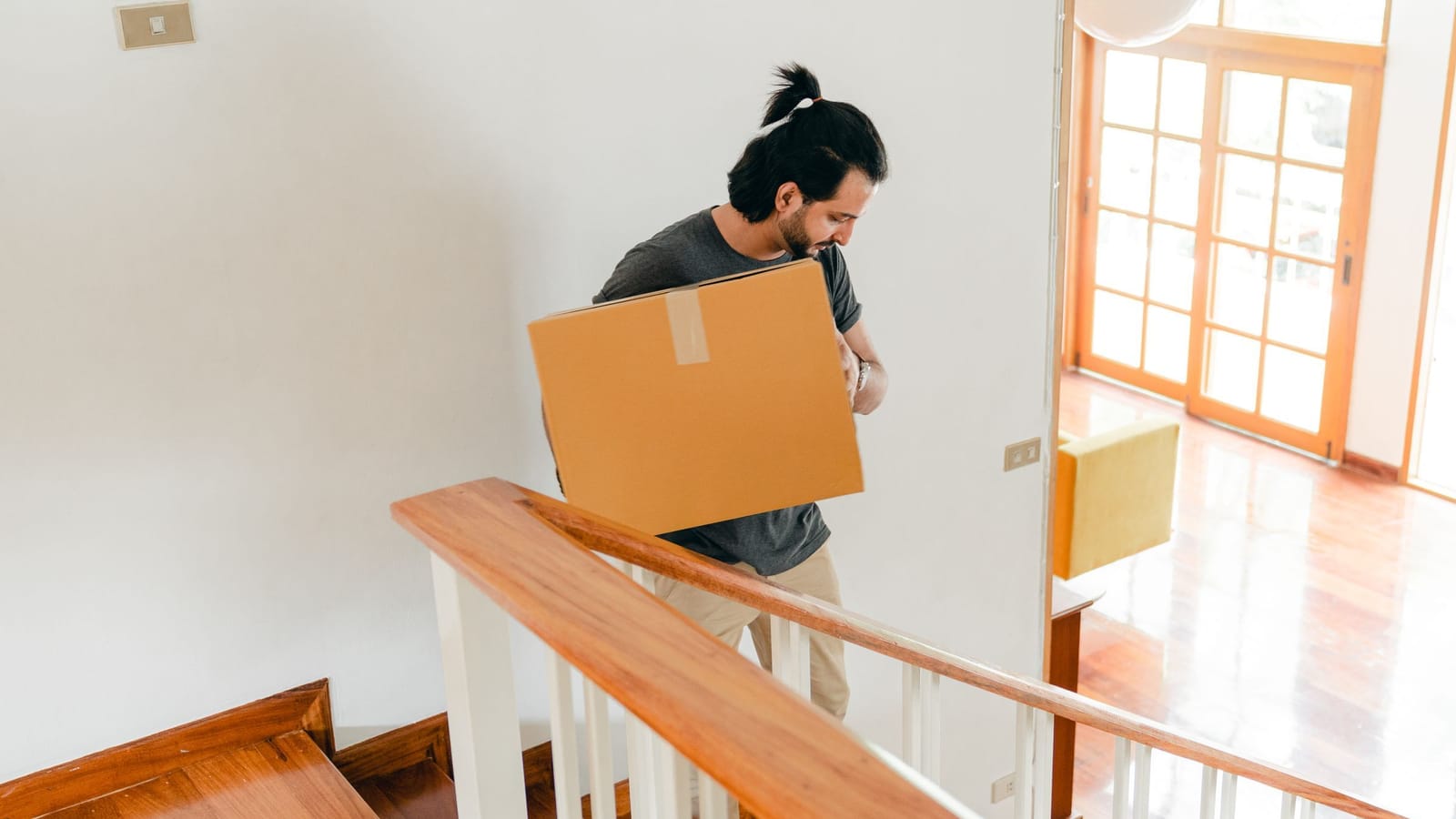
The cost of moving out isn't the rent. It's the pile of money you hand over before you've slept there a single night.
Most landlords want first month's rent plus a security deposit, and plenty want last month's too. Budget for two to three months' rent in cash on signing day, before you've bought a fork. Add an application fee per adult, possibly a pet deposit, and a deposit or connection charge from the utility company if you've got no credit history with them.
So the real question isn't "can I afford $X a month." It is "do I have three-ish months of rent sitting in an account right now, plus enough left over that an unexpected car repair doesn't end the experiment."
If the answer's no, you're not ready yet. You're two or three months of hard saving away from ready, which is a very different thing from not ready ever.
The rent number you can actually carry
The old rule is rent at or under a third of your take-home pay. Treat that as a ceiling, not a target. Landlords often want to see gross income around three times the rent, so run both numbers before you fall in love with a place.
What gets people isn't rent. It's everything stapled to it:
- Utilities. Electric, gas, water, trash, internet. Ask the landlord or the current tenant what a typical winter and summer bill runs. An old building with single-pane windows and electric heat can add a meaningful chunk in January.
- Renters insurance. Cheap, and many leases require it. It covers your stuff and, more importantly, your liability if your dishwasher floods the unit below.
- Parking. Sometimes a separate monthly line. Sometimes a permit from the city.
- Laundry. In-unit, in-building, or a trip to the laundromat with quarters. That's time as much as money.
- Commute. Gas, tolls, transit pass. A cheaper apartment forty minutes further out can cost more once you add fuel and the hours.
Write all of it down on one page. Total it. That's your real housing cost, and it's the only number worth comparing between places.
Read the lease like it'll be used against you
Because it might be. Not out of malice — most landlords are fine — but because a lease is the only thing either of you can point to when there's a disagreement.
Things to find before you sign:
- Length and what happens at the end. Does it roll month to month automatically, or auto-renew for another full year unless you give notice? Notice periods are often 30 or 60 days. Miss it and you've committed to another twelve months.
- Early termination. What does breaking it cost? Two months' rent is common. Some leases say you're on the hook until they re-let.
- Who fixes what. Appliances, plumbing, lawn, snow. Get it in writing.
- Guests and subletting. Some leases cap how long someone can stay.
- The deposit. How and when it comes back, and what it can be deducted for.
Then do the thing that protects your deposit better than anything else: photograph everything on move-in day, before you carry a single box in. Every wall, every appliance, the inside of the oven, the floor by the door, any existing scuff or stain. Timestamped, emailed to yourself and to the landlord with a short note listing what you found. That email is worth hundreds of dollars a year from now.
If a lease term seems unfair or you're in a dispute you can't resolve, tenancy law varies enormously by state and city. A local tenants' advice service or a landlord-tenant attorney is the right call — not a forum.
Walk the place with your eyes open
Twenty minutes at a viewing, done properly, saves you a year of irritation.
Turn on the shower and the kitchen tap at the same time and watch the pressure. Flush the toilet. Open every window. Check the water heater's size — a small one means short showers if you have a roommate. Look under the sink for water stains. Open the electrical panel and see whether it's modern breakers or something from another era. Count the outlets in the room where you'll work.
Stand still for two minutes and listen. Traffic, trains, the bar downstairs, the neighbor's bass. Visit once in the evening if you can.
Ask the current tenant, if they're there, one question: "What's the one thing you wish you'd known?" People answer that honestly.
What to buy before day one, and what can wait
You need less than you think on day one and more than you think by week three.
Before the first night:
- Bed, pillow, two sets of sheets
- Shower curtain, towels, toilet paper, soap
- One pot, one skillet, a sharp knife, a cutting board, a spatula
- Two plates, two bowls, two mugs, silverware
- Trash bags and a can
- Cleaning supplies and paper towels
- A basic toolkit: screwdrivers, a hammer, pliers, tape measure, level, utility knife
- A plunger. Buy it before you need it. You will need it.
- Flashlight, extension cord, power strip
- First aid basics and any medication you take
Can wait a month or three: couch, TV, dining table, decorations, the good chair. Sit on a camp chair for six weeks and buy furniture you actually like instead of the first thing on clearance.
Secondhand is the right answer for tables, dressers, bookshelves and chairs. Buy new for the mattress and anything with a motor.
Week one is admin week
Block an evening and clear it in one go, because half-finished admin follows you around for months.
Change your address with your bank, employer, insurer, the DMV and the post office. Set up utilities in your name — some want a deposit if you're new to them. Get renters insurance quoted. Find your circuit breaker, your water shutoff valve, and your gas shutoff. Test the smoke detectors and replace the batteries even if they seem fine.
Meet the neighbor on at least one side. Say your name, say you're new, leave it there. The first time a package goes missing or your car needs moving for plowing, you'll be glad you're a face and not a stranger.
Month one is about rhythm, not heroics
The people who fail at living alone don't fail dramatically. They drift. Dishes pile up, the fridge holds condiments and nothing else, and every meal is delivered.
Three anchors fix most of it:
A food plan. Shop once a week with a written list built around four or five meals you can cook without thinking. Keep rice, pasta, eggs, canned tomatoes, onions, frozen vegetables and some protein on hand. Eating out twice a week is fine. Eating out nine times a week is a rent payment.
A twenty-minute reset. Same time every day. Dishes done, counters wiped, floor clear, clothes off the chair. A clean place stays clean on twenty minutes. A messy one takes a Saturday.
A sinking fund. A separate account you move a set amount into every payday, before you spend anything. Car repairs, a dentist visit, a friend's wedding. The point isn't the amount. It's that the money exists in a different place than your spending money.
Call your parents on a schedule you pick. Not because you need permission for anything, but because the relationship changes shape now and the ones that stay strong are the ones somebody deliberately maintains.
The first time something breaks and you fix it yourself — the running toilet, the tripped breaker, the door that won't latch — something settles in you that nobody can hand over. That's the whole reason to do this.
Ade Fisher
Young Men
Teaches the trades intake at a community college. Writes the manual he wishes his students arrived with.

Watch
Watch how it's done
Picked for this article.
From channels we rate. Plays on YouTube.
NerdWallet
Your First Move Out Budget Checklist
Step
Everything You Need To Know About Renting Your First Apartment: A Beginner's Guide
Read next