Prostatitis usually isn't an infection, and that changes everything
Three rounds of antibiotics and no improvement isn't bad luck. It's a sign the diagnosis was wrong from the start.
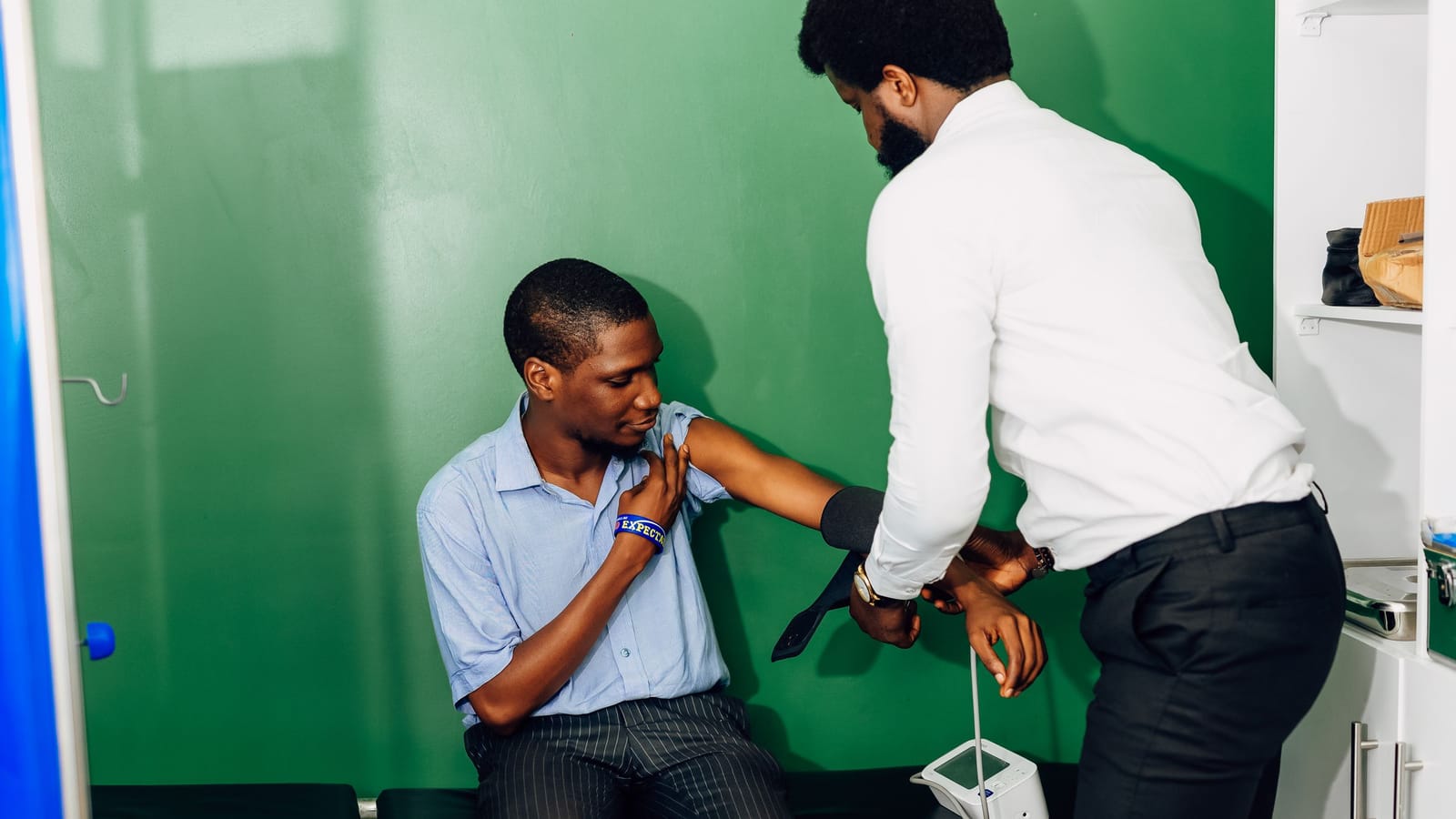
A guy finishes his third course of antibiotics in five months. Still aching behind the base of the abdomen, still getting up twice a night, still sitting on one hip at his desk by three in the afternoon. He assumes the bug is stubborn. It isn't. In most cases there was never a bug.
That's the single most useful thing to know about prostatitis: the word covers four different conditions, and only two of them involve bacteria. The one that gets diagnosed most often is the one antibiotics don't fix. Understanding which category you're in is the difference between six weeks of progress and two years of frustration.
None of what follows is a diagnosis. It's the map, so you can walk into a urologist's office asking better questions than "can I get something stronger."
The version that's an emergency
Acute bacterial prostatitis announces itself. Fever, chills, feeling genuinely sick, severe pain low in the pelvis or between the legs, burning when you urinate, and sometimes a total inability to urinate at all.
That last one isn't a wait-and-see. Neither is a fever with pelvic pain. This can progress to a bloodstream infection, and men do end up hospitalized for it. Urgent care or the emergency room, same day.
The good news is it's the clearest case in the whole category. A urine culture finds the organism, antibiotics work, and you feel dramatically better within days, though the full course usually runs two to four weeks. Finish it anyway. Stopping early is how the next category gets created.
The rare one that really is bacteria
Chronic bacterial prostatitis is the same idea running quietly. You get recurring urinary tract infections, often with the same organism showing up on culture each time, with stretches of feeling fine in between.
The tell is the culture. Not symptoms, not how convinced you are, not a doctor's hunch. A positive culture, repeatedly, with the same bug. Treatment is a long antibiotic course, often four to six weeks, sometimes longer.
This is uncommon. Which brings us to the one you probably have.
Chronic pelvic pain syndrome, the one nobody explains
Category three goes by chronic prostatitis / chronic pelvic pain syndrome, or CPPS. It's the overwhelming majority of prostatitis diagnoses in men, and the prostate often isn't the main problem.
What it feels like: a dull, deep ache low in the pelvis, at the perineum, in the lower back, sometimes the inner thighs. Urinary urgency and frequency without much volume. A sense of not fully emptying. Sitting makes it worse. Long drives make it much worse. Stress makes it worse in a way that feels almost insulting.
What's actually going on, as best urology understands it, is some combination of pelvic floor muscles that have gone chronically tight and stopped releasing, nerves in the region that have become sensitized and are over-reporting, and a nervous system stuck in a high-alert pattern. Inflammation may be part of it. Bacteria, by definition, aren't.
Once you understand it as a muscle-and-nerve problem rather than an infection, the whole treatment plan reorganizes itself.
Why you keep getting antibiotics
Because the symptoms overlap almost perfectly with an infection, because a ten-day course is cheap and fast, and because a doctor with a twelve-minute appointment slot will often treat empirically and see what happens.
That's defensible once. It's not defensible the third time.
If you've taken two courses with no lasting change, the response isn't a stronger antibiotic. The response is a urine culture done properly and, when it comes back clean, a conversation about what else this could be. Repeated fluoroquinolones carry real downsides, including tendon problems that will absolutely interfere with your training.
Ask for the culture before the prescription. If you've already been treated blind, ask for it now.
Don't do kegels
This is the counterintuitive part and the one men get wrong constantly. The internet's default advice for anything below the belt is pelvic floor strengthening. In CPPS the pelvic floor is usually too tight already. Squeezing it harder is like treating a cramped calf with more calf raises.
What helps is the opposite: teaching those muscles to let go. Diaphragmatic breathing, where the belly rises and the pelvic floor drops on the inhale. Deep squat holds. Happy baby. Ninety-ninety hip work. Anything that gets the hips and the low abdomen out of a permanent clench.
Ten minutes. Most days. On the floor, before bed, with the lights low.
That's the sustainable version, and sustainable is the only version that works here, because this responds to weeks of consistency and ignores heroic single sessions entirely.
The bigger lever is a pelvic floor physical therapist. Yes, they treat men. Yes, it's a legitimate specialty with real technique behind it, including internal manual work that a good therapist will explain fully before doing anything. Ask your doctor for the referral by name, because you may have to ask twice.
Sitting is the trigger you control today
If you drive for a living or sit for eight hours, that's your biggest daily dose of the thing that aggravates this.
- Stand up every 30 to 45 minutes. Set a timer, because you won't remember.
- A cushion with a cutout at the back takes direct pressure off the perineum. Cheap ones work.
- Cyclists: a cutout or noseless saddle, and get the bike fit checked. If a flare tracks with your long rides, swap two weeks of riding for swimming and see what happens.
- Heat helps a lot of men. A warm bath, fifteen minutes, or a heating pad on the low abdomen while you watch something.
Some men find caffeine, alcohol and very spicy food reliably make it worse. Some find no food connection at all. Keep two weeks of rough notes before you give up your coffee forever.
Training through it
Don't stop. Men who quit training during a flare tend to get more pain, worse sleep and a shorter fuse with their kids.
What to modify during a bad stretch: heavy maximal lifts where you're bracing hard and holding your breath under a loaded bar. Max-effort squats and deadlifts can light this up. Drop to sets of eight at a weight you could do twelve with, keep the breathing relaxed, and you'll usually train fine.
Walking is close to free medicine here. Swimming too, unless the pool chair is the problem. Running is a mixed bag; some men are fine, some flare, and you'll know within two runs.
Stress isn't a soft factor in this condition, it's a mechanical one. A tough quarter at work shows up in the pelvic floor within a week. That's not weakness, it's just how that muscle group behaves.
One more thing about your PSA
Prostatitis can push a PSA result up, sometimes substantially. If you get a flagged number in the middle of a flare, don't spend the weekend planning your funeral. Standard practice is to treat the inflammation, wait several weeks, and retest before drawing conclusions. Ask the ordering doctor what their plan is for the recheck.
And go get checked anyway. Pelvic pain that's new after 50, blood in the urine, unexplained weight loss, pain that wakes you from sleep, or any fever with it — those get looked at promptly, not filed under "probably the prostate thing again."
Progress on CPPS is measured in months, and it's rarely a straight line. You'll get three good weeks and then a bad Tuesday after a six-hour drive, and it'll feel like starting over. It isn't. Track how many bad days you had this month against last month. That's the number that tells the truth.
Most men get substantially better. Almost none of them get there by taking one more round of antibiotics.
Cal Brennan
Fitness
Strength coach. Trains fathers, tradesmen and desk workers, which means programs that survive a bad week.

Watch
Watch how it's done
Picked for this article.
From channels we rate. Plays on YouTube.
Doctor Eric
Understand Chronic Pelvic Pain Syndrome in Men: Causes, Diagnosis, and Insights | Urologist explains
Rena Malik, M.D.
Prostatitis 101 | Prostatitis Symptoms, Diagnosis & Treatment
Read next