The Floor You Set On A Bad Day Is The Whole Program
Chronic illness picks some of your days. It doesn't get to pick your training, your work or who you're to your kids.
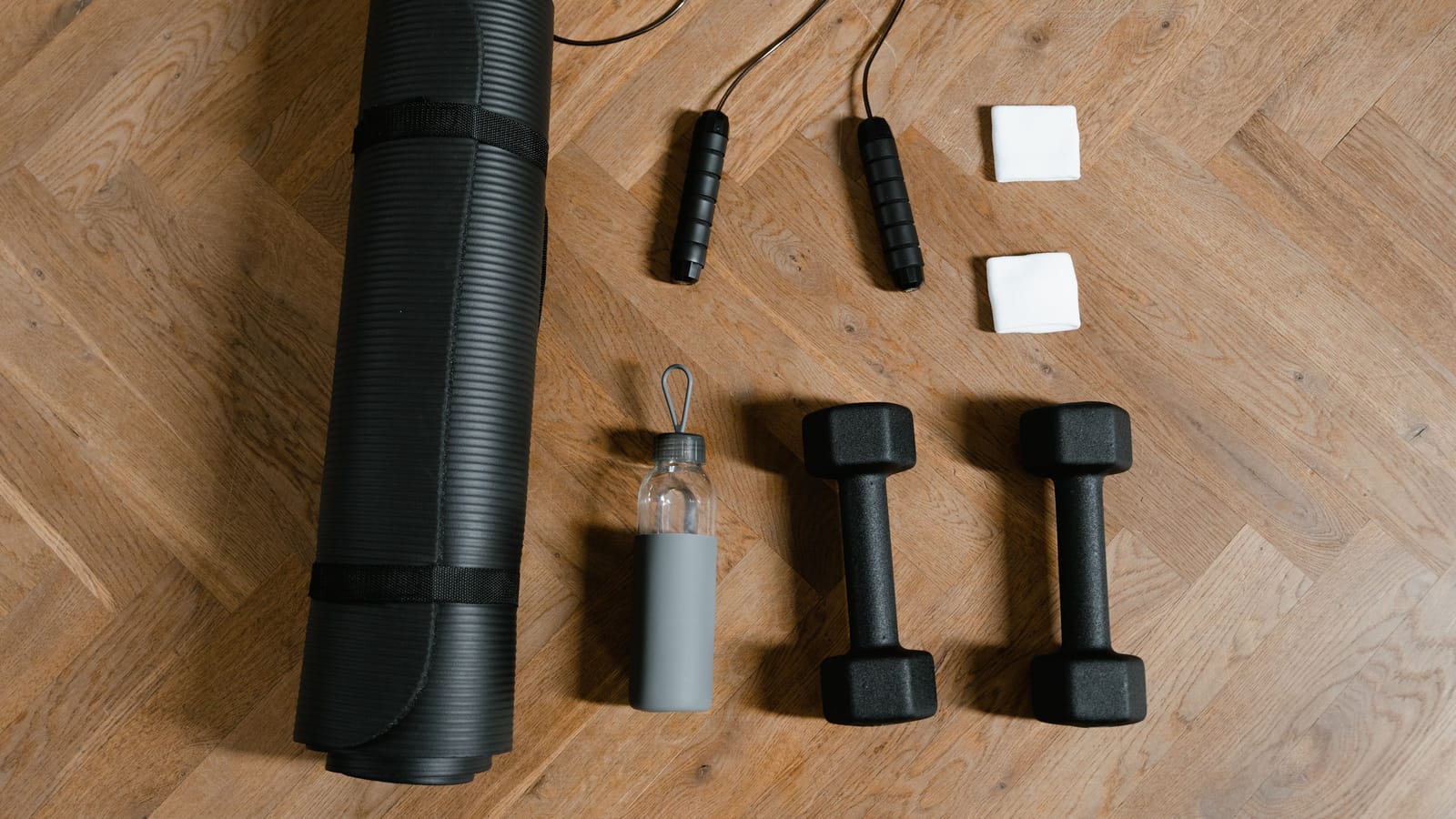
Write down the workout you can do on your worst functional day. Not your worst day ever, when you couldn't get off the couch. Your worst working day, the one where you still got the kids to school and answered email through a fog.
Mine is ten minutes. Sit-to-stand from a dining chair, ten reps. A set of wall pushups. A slow walk to the end of the street and back. That's it. No equipment, no changing clothes, no decision-making.
That floor is the program. Everything above it's a bonus.
People with a chronic condition keep building programs for the version of themselves who feels good, and then they fail those programs four days out of seven and quit in March. Build for the bad Tuesday instead. The good Saturday will take care of itself.
Spend seventy percent of a good day
The pattern that wrecks people isn't laziness. It's the opposite. You feel decent for the first time in nine days, so you clean the garage, deadlift, take the kids to the trampoline place and cook something ambitious. Then you lose Thursday and Friday.
Boom, then bust. The busts get longer and the booms get rarer, and after a year the average is lower than if you'd never had a good day at all.
So cap it. On a day when you feel like you could do everything, do about seventy percent of everything and stop while you still have something left. This is the single hardest discipline in this whole piece, because it means quitting when you're winning. Set a timer if you have to. When it goes off, you're done, even mid-flow, even if you feel fine.
You'll hate it for about three months. Then you'll notice your bad weeks have gotten shorter, and you'll stop arguing.
Frequency beats intensity, and it isn't close
Four fifteen-minute sessions will do more for you than one sixty-minute session, and they cost you far less in recovery. Short sessions are easier to schedule around a nap, a school pickup or a medication timing window. They're also easier to abandon halfway without feeling like you blew the whole day.
Keep the lifts boring and the loads modest. A goblet squat, a row, a press, a carry, a hinge you can do without wrecking your back. Two to three sets. Stop three or four reps short of failure, always. Training to failure is a tax you can't afford.
Use a hard ceiling rather than a target. Something like: nothing above a 7 out of 10 effort, ever, without a specific reason. You're not trying to peak for anything. You're trying to keep the stairs easy and the car seat liftable in five years.
The honest trade-off: you will never find out what your max is. You'll be weaker than you could have been on paper. In exchange, you'll still be training in 2031. Take the trade.
The lie-down goes before dinner, not after
Recovery for someone with a job and kids is mostly logistics, not technique. The nap you take at 4:30 p.m. gets interrupted. The one you take at 2:00 p.m. on a work-from-home day doesn't.
Anchor your wake time, even on weekends, and let bedtime float. Sleeping in to catch up feels like repayment and mostly just moves the debt.
Twenty minutes flat on your back in a dark room, before the after-school chaos starts, is worth more than an hour of scrolling on the couch at 9 p.m. Set it as a calendar block with a name nobody asks about.
And get the boring stuff automated. A $12 weekly pill organizer filled Sunday night removes about forty decisions a week. A repeating phone alarm for the 8 p.m. dose means you stop carrying the dose around in your head all evening. Freeing up mental bandwidth is recovery too.
Write the flare plan while you're well
Bad-day you makes bad decisions. So don't let bad-day you make them.
Put one page in your phone notes. On it:
- What gets canceled first. Rank it. Social plans, then the gym, then cooking, then errands. Work and kids last.
- Who covers what. The specific person who does the school run. Text them the plan now, not during.
- The drawer. Whatever helps you. Heat pack, electrolytes, the meds your doctor told you to take early, a book you can read with half a brain.
- The trigger to call. The specific symptom or duration where you stop toughing it out and call your doctor's office. Write the number on the same page.
That last one is the whole point of the exercise. Everybody with a long-term condition has a story about the week they waited too long because they'd gotten used to feeling bad. Decide the threshold in advance, when you're thinking clearly.
None of this replaces your doctor. Your medical plan comes from the people who know your chart. This is the scaffolding around it.
At work, talk about outputs
You don't owe your employer your diagnosis. What you usually need is a change to how the work happens, not sympathy about why.
So lead with the arrangement. A later start twice a week. Meetings clustered into two days instead of five. Working from home on infusion or appointment days. Ask for the specific thing, tie it to the specific output, and put it in writing after the conversation so there's a record.
If you're in the United States or Canada, there are real legal protections around reasonable accommodation, and they're more useful than most people realize. If the conversation goes sideways or you feel pushed out, that's an employment attorney question, not a friends-and-family question. Ask early. It's much cheaper than asking late.
One practical note that matters more than it should: keep your own paper trail. Dates, requests, responses. You'll almost certainly never need it.
What the kids actually need to hear
Tell them the truth, sized for their age, and tell them the same truth every time so they stop scanning your face for updates.
Something like: "Dad's got a condition that makes him tired. It's not catching, it's not getting worse, and the doctors are on it. Some days I'll be on the floor with you and some days I'll be on the couch watching you."
Then keep one thing that never moves. Pancakes Saturday. Reading two chapters at bedtime. Walking to the mailbox together. Kids read consistency as safety far more than they read energy as safety. A dad who shows up flattened but shows up is a dad who's there.
What you don't do is turn them into staff. Age-appropriate chores, yes, all kids need those. A nine-year-old monitoring whether you took your pills, no. That's your job or your spouse's job.
Which brings up the person carrying the invisible half of this. Your wife or husband is absorbing the canceled plans, the extra pickups and the worry, and nobody's asking them how they're holding up. Ask. And protect one evening a week that has nothing to do with logistics, appointments or symptoms. Coffee on the porch after the kids are down counts.
Keep one thing that has nothing to do with being sick
Everybody eventually meets the person whose entire personality became their condition. Forums, tracking apps, the endless search for the protocol that fixes it. It's understandable and it's a trap, because it hands the illness the one thing it hadn't taken yet.
So hold something back. Woodworking, chess, the range, restoring a truck that will never run, learning to make a decent sourdough. Something you'd have done anyway, that you're allowed to be mediocre at, where nobody knows about your labs.
You have a condition. The condition doesn't have you, your Saturdays, or your name.
Cal Brennan
Fitness
Strength coach. Trains fathers, tradesmen and desk workers, which means programs that survive a bad week.

Watch
Watch how it's done
Picked for this article.
From channels we rate. Plays on YouTube.
Sierra | Chronic Illness & Post-Rehab Coach
Light Exercises When You're Having a Flare | Chronic Illness, Dysautonomia, POTS & Autoimmune
Chronic Fitness With Fran
Chronic Fitness With Fran - 20 minute workout for the chronically ill
Read next