The heartburn you've had for two years isn't nothing
Antacids in the truck console, a pillow stack that doesn't work, and the questions worth asking before you refill the same prescription again.
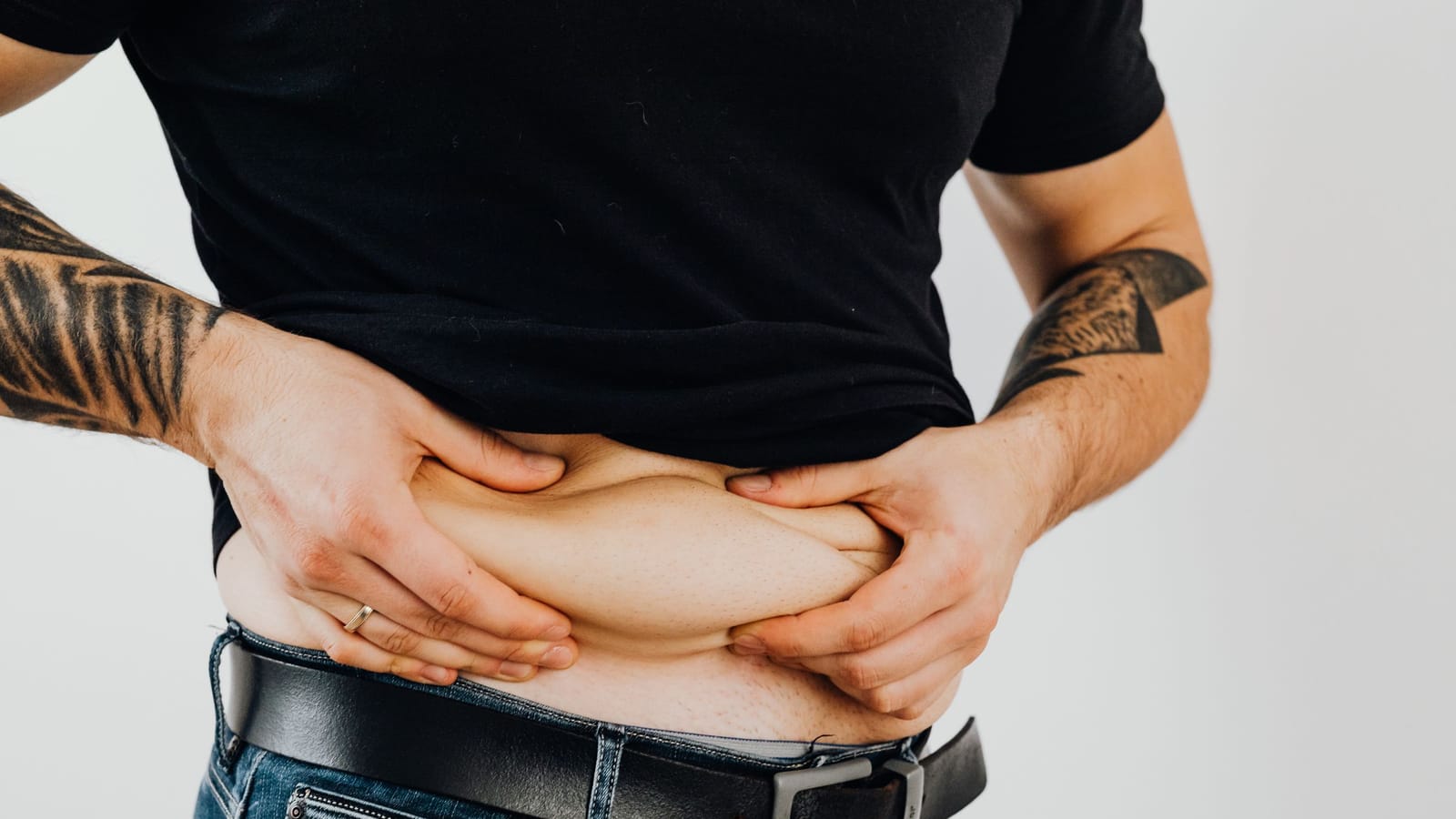
You know where the antacids are without looking. Console of the truck, nightstand drawer, side pocket of the gym bag, that one jacket. You've been buying the big bottle for a while now because the small one runs out.
A roll of Tums is a smoke alarm. It's not a fire extinguisher, and it's definitely not a reason to stop wondering why the alarm keeps going off.
Chronic reflux is one of those conditions that's easy to carry for a decade because it never quite stops you. It just taxes you. Bad sleep, a raw throat on Monday mornings, the cough your wife keeps mentioning, the fact that you've quietly stopped eating anything worth eating after 7 p.m. None of that shows up on a physical unless somebody asks. So here's what's actually going on, what moves the needle, and what to ask.
None of this is medical advice. It's the stuff worth knowing before you book the appointment you've been putting off.
First, be sure it's your esophagus
Heartburn and heart attacks share a zip code, and plenty of men have driven themselves home with what they assumed was a bad burrito.
The pattern that should get you to an emergency room, not a pharmacy: pressure or tightness in the chest that shows up with exertion and eases with rest, spreads to the jaw, neck, back or either arm, and comes with sweating, nausea or shortness of breath. Reflux tends to be a burn that rises, gets worse lying flat or bending over, and responds to an antacid. But "tends to" isn't a diagnosis, and if you're over 40 with a family history, you don't get to self-triage. Call 911.
Assume the rest of this is about the burn that's clearly food-and-gravity related.
The four levers that actually work
Most reflux advice is a list of forbidden foods. That list is mostly noise for most people. Four things do the heavy lifting.
Weight around the middle. This is the big one and nobody wants to hear it. Visceral fat raises pressure inside the abdomen and pushes stomach contents up against a valve that was never built to hold back a pressurized tank. Losing ten or fifteen pounds off your waist does more for reflux than any elimination diet. It also happens to be the slowest lever, which is why everybody skips it.
Gravity at night. Not pillows. Stacking pillows bends you at the waist and makes reflux worse by compressing your abdomen. You want the whole bed tilted: 6 to 8 inch blocks or risers under the two legs at the head end, or a proper foam wedge that runs from your hips to your shoulders. Bed risers run about twenty bucks. It looks ridiculous for a week and then you forget it's there. Sleeping on your left side helps too, for reasons of plain anatomy.
Three hours. Stop eating three hours before you lie down. This is the rule that collides hardest with real life, because dinner at 8:30 after the kids' practice is dinner at 8:30. Fix the ones you can. Eat with the kids at 6 and have a small second thing later, or move your biggest meal to lunch.
Alcohol and nicotine. Both relax the valve at the bottom of your esophagus. A beer with a late dinner is the single most reliable way to buy yourself a 2 a.m. wake-up. Nicotine pouches count.
Coffee, mint, chocolate, tomato, citrus and fried food get blamed constantly. Some of them genuinely bother some people. Instead of banning everything, keep a note on your phone for two weeks: what you ate, what time, and whether that night was bad. You'll find your own two or three triggers and you'll get to keep the rest.
Training with a valve that leaks
This section of the site exists for men and women with jobs and kids, so let's be honest about what lifting does to reflux.
Anything that spikes intra-abdominal pressure will push acid north. Heavy squats, deadlifts, a tight belt, loaded carries, and just about anything upside-down or bent-over. Running is worse than cycling for most people because of the jostling. Rowing puts you in a compressed position at the catch.
What helps, without giving up the barbell:
- Train fasted or two to three hours after eating, not forty-five minutes after a shake.
- Keep the pre-workout carb small and liquid if you need one at all.
- Loosen the belt between sets instead of wearing it for the whole hour.
- If mornings are your only window, that's actually the friendly slot. Your stomach's empty.
- Swap the conditioning modality before you swap the lifts. Bike intervals over a treadmill run.
If heavy compound work reliably lights you up, that's worth telling your doctor. It's a data point, not a reason to quit lifting.
What the medications do, in order
Three tiers, and they're not interchangeable.
Antacids (calcium carbonate, the chalky tablets) neutralize acid that's already there. Fast, short, fine for occasional use. Alginates, the ones that form a foam raft on top of the stomach contents, are underrated for nighttime and worth trying before you escalate.
H2 blockers like famotidine cut acid production. They work in about an hour and last most of a night. Good for on-demand use and breakthrough symptoms.
Proton pump inhibitors (omeprazole, esomeprazole, pantoprazole) shut down acid production much harder. Two things people get wrong: they take days to reach full effect, so judging one after a single dose is pointless, and they work best taken 30 to 60 minutes before your first meal of the day. Plenty of men take one at bedtime with a glass of water and wonder why it's doing nothing.
The over-the-counter box says 14 days. It says that on purpose. If you've been on a PPI for two years on autopilot, that's not a failure, but it's a conversation. Long-term use has been associated with lower B12 and magnesium, and with other issues, and the honest summary is that the associations are real but causation is argued. Untreated chronic reflux carries its own risks. That trade-off belongs to you and your doctor, not to a forum post.
One practical warning: stopping a PPI cold after months can cause a rebound surge of acid that feels worse than your original problem. Step down rather than quit, and ask how.
The symptoms that mean call this week
Don't sit on any of these:
- Food sticking, or trouble swallowing
- Painful swallowing
- Weight loss you didn't plan
- Vomiting blood, or black tarry stools
- Vomiting that won't stop
- Anemia found on a blood test
- New, persistent symptoms starting after 60
- Reflux that stops responding to medication that used to work
Chronic acid exposure can change the lining of the lower esophagus into something that looks more like intestine. That's Barrett's esophagus, and it's the reason gastroenterologists care about reflux you've had for years rather than reflux you had last Tuesday. Most people with reflux never get it. The ones who do usually have several risk factors stacked: years of symptoms, male, over 50, extra weight through the middle, a smoking history, a relative with Barrett's or esophageal cancer. Guidelines support a one-time screening endoscopy for some of those people. Ask whether you're one of them.
Bring these questions
Write them down, because you'll forget the third one.
- Is this reflux, or should we rule out something else? (H. pylori, eosinophilic esophagitis, gallbladder, an ulcer, a hiatal hernia.)
- Do I meet the criteria for a screening endoscopy?
- Should I be tested for H. pylori?
- What's the exit plan for this medication, and how do I step down?
- Are any of my other prescriptions making this worse?
- If lifestyle changes and medication both fail, what's next?
That last one matters. There are surgical and endoscopic options for people whose valve genuinely doesn't close, and a specialist can measure that rather than guess.
Book it around something you already do. Next physical, next time you're in the building for the kids' shots. The appointment takes twenty minutes. You've spent longer than that lying awake with your head on three pillows.
Cal Brennan
Fitness
Strength coach. Trains fathers, tradesmen and desk workers, which means programs that survive a bad week.

Watch
Watch how it's done
Picked for this article.
From channels we rate. Plays on YouTube.
Doctor Sethi
THIS IS WHY You Are Getting Acid Reflux At Night. 7 Natural Remedies to Fix it
Read next