What a glucose monitor tells you if you don't have diabetes
Two weeks with a sensor on your arm can teach you three useful things about your food and your sleep. It can also make you afraid of oatmeal.
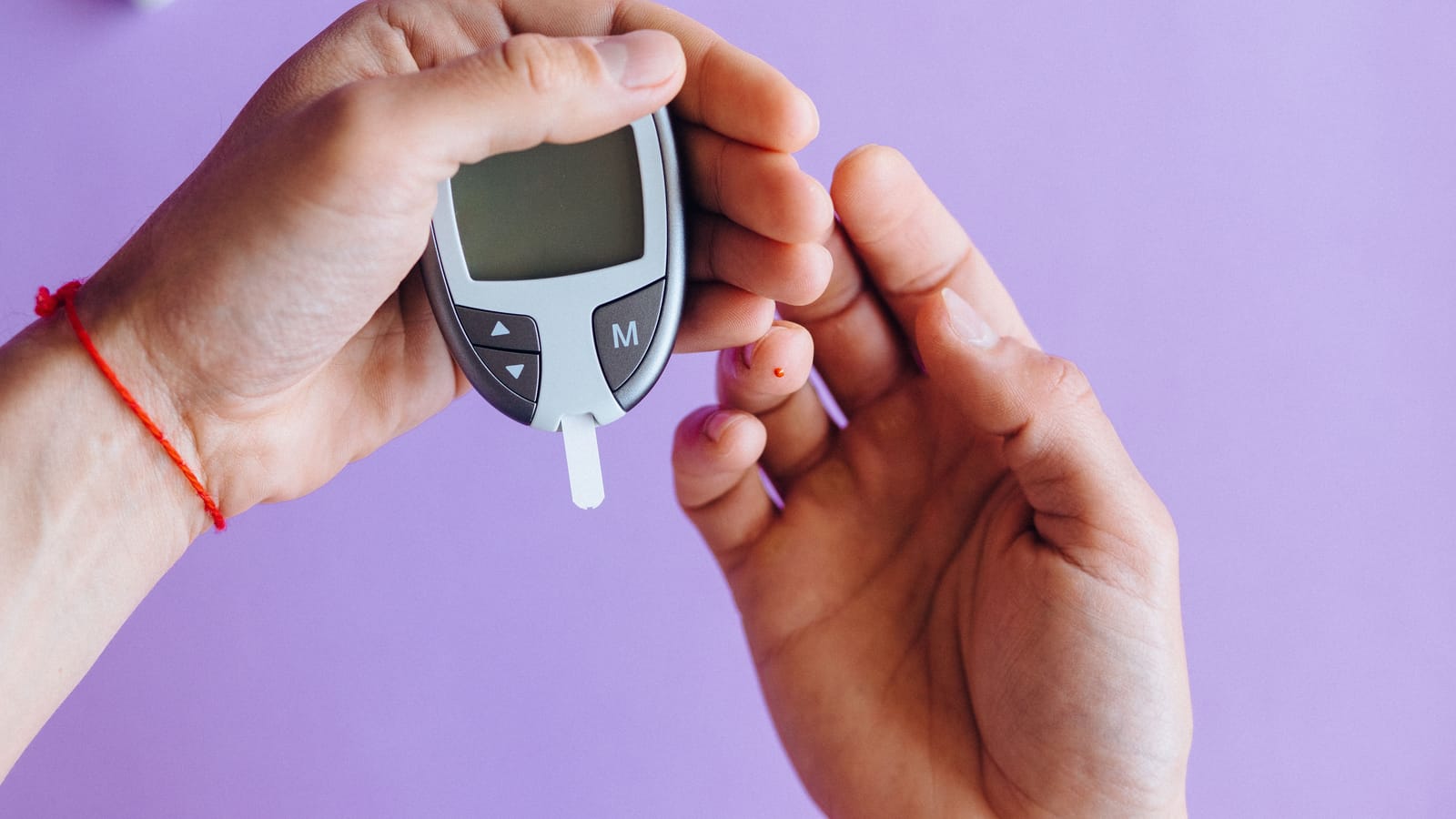
Wear one for two weeks, ask it four specific questions, then take it off. That's the whole play. Everything past two weeks is either a hobby or a habit, and if you've got a job and kids you don't need another subscription that pings your phone while you're packing lunches.
The over-the-counter versions showed up in drugstores in 2024, and now anybody can buy one without a prescription. Dexcom's Stelo, Abbott's Lingo, a couple of others riding on the same sensor hardware people with diabetes have used for years. Budget somewhere in the range of fifty to a hundred dollars a month depending on brand and whether you commit to a subscription. Each sensor lasts about two weeks, sits on the back of your upper arm, and sends a reading to your phone every few minutes.
That's a lot of data about a body that's probably fine. Which is exactly the problem and exactly the opportunity.
The number is blurrier than the app makes it look
The app gives you a clean line and a number to the single digit. It feels like a lab result. It isn't.
The sensor isn't measuring your blood. It's measuring glucose in the fluid between the cells under your skin, which trails your actual blood sugar by several minutes. So when you eat, the graph is behind you. When you exercise, the graph is behind you. Chasing a live number is like steering a boat by the wake.
The other thing nobody tells you until it happens at 3 a.m.: sleep on that arm and you'll get a compression low. The sensor reads 58, your phone buzzes, you wake up convinced something's wrong, and you feel completely normal because you're completely normal. Roll off it and the line climbs right back up. That's pressure on the sensor, not hypoglycemia.
Treat these things as trend instruments. They're accurate enough to show you the shape of a morning. They're not accurate enough to argue over eight points.
Spikes are supposed to happen
Here's the part that costs people the most sanity. Glucose is a delivery system, not a threat. You eat carbohydrate, your blood sugar goes up, insulin shows up, it comes back down. A healthy person with a working pancreas will absolutely see numbers in the 140s and sometimes higher after a real meal. A bagel will do it. So will white rice, and so will a banana on an empty stomach before a 6 a.m. lift.
None of that's damage. It's digestion with a monitor attached.
What actually distinguishes a metabolism that's working from one that's struggling isn't whether you spike. It's how fast you come back to baseline, and where that baseline sits. A rise to 150 that's back near 100 inside ninety minutes is a very different story than a rise to 150 that's still hanging around at 180 minutes. The return trip is the interesting part of the graph, and it's the part the screenshot-and-panic crowd never posts.
Nobody has shown that a non-diabetic person who flattens their curves lives longer or lifts more. Keep that in your back pocket the whole two weeks.
What it's genuinely good at
A CGM is a terrible diagnostic tool and a very good feedback tool. It's at its best when you use it to test things you actually control.
Sleep. This one converted more people I know than any food experiment. Sleep five hours because the toddler was up, then eat your exact normal breakfast, and watch what happens. For a lot of people the same oatmeal that behaved fine on Tuesday goes noticeably higher on Thursday after a wrecked night. Your insulin sensitivity drops when you're short on sleep, and the sensor makes that abstract fact very rude and very personal.
Walking after dinner. Ten to fifteen minutes of easy walking after a meal blunts the rise, and you can see it on the graph the same evening. This is the single most repeatable finding people get from wearing one, and it costs nothing.
Meal order and meal timing. Protein and vegetables first, starch second, same total food. Usually a lower, slower curve. Same pasta at 6:15 versus 8:40 at night, after bath time, standing at the counter. Often a bigger and longer rise at night. That one stung. I ate the second bowl standing up and the line stayed elevated past midnight.
Alcohol. Two drinks with dinner can flatten things in the short run and then give you a strange, low, restless overnight. Worth seeing once.
The stress week. Deadline week with the same food shows a higher, flatter floor. Cortisol is doing that, and it's a useful reminder that recovery isn't only about your training log.
Training will mess with your head
Hard intervals raise blood glucose. Sometimes a lot. Your body dumps stored sugar into circulation because you asked it to sprint, and adrenaline helps. A 170 at the end of a hill workout isn't a nutrition failure.
Long easy work tends to do the opposite and drift you down. Lifting sits somewhere in between depending on how much you rest between sets and how long you're in there.
If you use the sensor to grade your workouts, you'll start soft-pedaling the hard ones to keep the line pretty. That's a real risk and it's backwards. Sustainable training beats a flattering graph every time.
The two-week protocol
Change one thing at a time or you'll learn nothing.
- Days 1 to 3. Eat exactly how you normally eat. Don't optimize. You need a real baseline, including the Friday takeout.
- Days 4 to 7. Test breakfast. Same breakfast twice, then swap it for one with 30-plus grams of protein and compare.
- Days 8 to 11. Test the walk. Same dinner, one night sitting on the couch, one night with a 15-minute loop around the block.
- Days 12 to 14. Test timing. Your normal dinner early, your normal dinner late.
Take a photo of every meal you're testing. Not for an app. So that in four days you know whether it was two cups of rice or one.
Then write down the two or three things that actually moved. That page is what you keep. The sensor was the delivery vehicle.
What it can't do
It can't diagnose anything. A consumer CGM isn't a diagnostic device and won't tell you whether you have prediabetes or diabetes. If your fasting numbers look consistently high, or your post-meal numbers stay up for hours, that's not a signal to buy another sensor. That's a signal to call your doctor and get an A1c and a fasting glucose, which cost a fraction of a month of sensors and answer the question the wearable can't. Same conversation if you've got a family history, or if you're on a medication like a steroid that shifts blood sugar. None of what's here's medical advice for you specifically, and a CGM doesn't replace the person with your chart in front of them.
It also can't tell you a food is bad. One curve on one day is one data point, run through one night of sleep and one week of stress. People quit fruit over a single screenshot. Don't be that guy.
And it can't measure the thing it keeps tempting you to measure, which is your worth. If wearing one turns into a compulsive check every twenty minutes, or you start refusing dinner with your family because of a projected spike, take it off. That's not discipline. That's the tail wagging the dog.
The stuff that survives
Walk after dinner. Protein early in the day. Stop eating a mountain of starch at 9 p.m. Sleep like it's part of your training, because it is.
You didn't need a sensor to hear any of that. You just needed to watch it happen to your own arm once.
Cal Brennan
Fitness
Strength coach. Trains fathers, tradesmen and desk workers, which means programs that survive a bad week.

Watch
Watch how it's done
Picked for this article.
From channels we rate. Plays on YouTube.
Dr James Gill
Should You Try a CGM (Continuous Glucose Monitor)? Dr James Gill
SBS The Feed
Continuous glucose monitors for people without diabetes
Read next