How to Watch Your Statehouse Like Somebody Who Gets Paid To
A state legislature can pass a law in eleven weeks while you're looking the other way. The calendar, the chair, and the two minutes that matter.
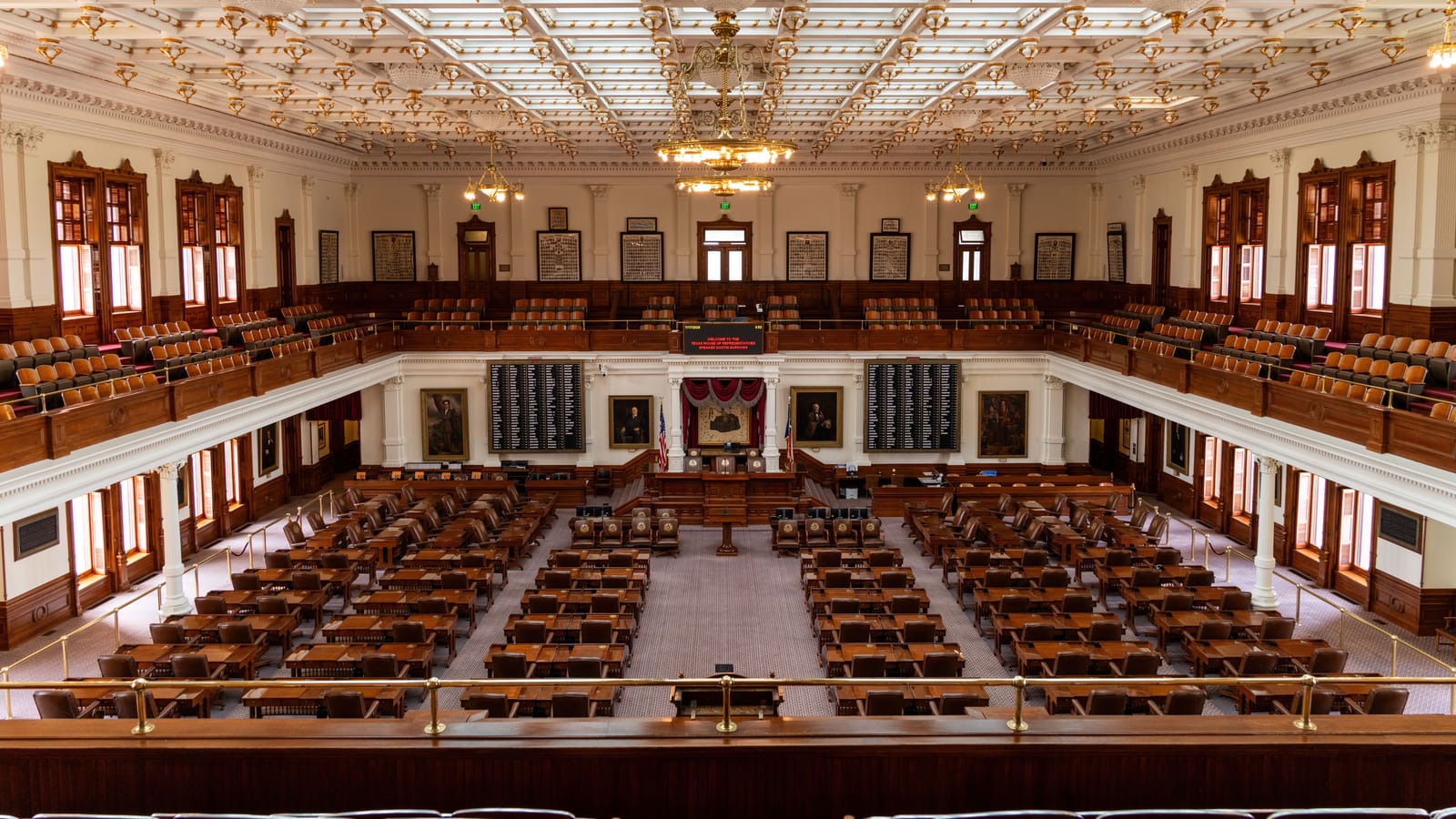
Picture a committee room on the third floor of a capitol building. It's a Tuesday morning in February. There are nineteen bills on the agenda, the chairman is moving fast because the crossover deadline is three weeks out, and the room holds maybe forty people. Two of them are contract lobbyists who've worked this committee for a decade. One is a retired shop teacher who drove ninety minutes because he read the bill and didn't like it.
The shop teacher gets two minutes. So do the lobbyists. The difference is that the lobbyists knew the hearing was happening eight days ago, and he found out Sunday night from a neighbor.
That gap is the whole story of state government. Not money, not spin. Information and a calendar.
The clock is the game
Congress runs more or less year-round and nothing moves. Your state legislature is the opposite. Most states convene in January, run a fixed number of days, and go home. Montana gives itself 90 legislative days and meets only in odd-numbered years. Texas gets 140 days, also biennially. Nevada and North Dakota are on the same two-year rhythm. Nebraska does the whole thing with one chamber and no party labels on the members.
At the other end, California and New York run full-time legislatures with professional staff and salaries to match. New Hampshire has 400 members in its House, districts small enough that a representative might live four streets over, and pay that rounds to a rounding error.
Whatever your state does, the schedule is published, it's public, and almost nobody reads it. Find these four dates before you do anything else:
- Bill filing deadline. After this, new ideas mostly need a leadership waiver.
- Committee deadline. A bill that hasn't had a hearing and a vote by this date is dead for the year.
- Crossover. The day a bill must pass its chamber of origin to stay alive in the other one.
- Sine die. Adjournment. Gavel drops, everything unpassed dies.
Print them. Stick them on the fridge next to the school calendar. Once you know those dates, the legislature stops looking like a fog bank and starts looking like a shot clock.
Chairs decide what lives
Here's the part civics class skips. In most states a bill doesn't die on the floor in a dramatic vote. It dies because the committee chairman never put it on the agenda.
That's not corruption. It's how a body with 2,000 bills and eleven weeks keeps from drowning. But it means the single most consequential person for any bill you care about is usually one legislator you've never heard of, who represents a district you don't live in.
So learn the committee. Your state's website lists members, chair, vice chair, and meeting schedule. Five or seven names. That's the audience for everything you write and say. The governor's office is a nice symbolic target and a waste of your Tuesday.
One more thing worth knowing: in a lot of states, the rules on hearing notice are thin. Some chambers require several days. Some require essentially none, and an agenda can be amended the night before. Look up your chamber's rules on notice. If yours is loose, that's your first letter to your own representative, and it's the kind of reform that draws votes from both sides of the aisle because everybody's been burned by it.
Twenty minutes of setup, then it runs itself
Do this once and you'll be better informed than 99 percent of the people in your county.
- Find your two legislators. You have one representative in the lower chamber and one senator in the upper. Your state legislature's homepage has a "find my legislator" lookup. Write down their emails, their capitol phone number, and the name of their chief of staff or legislative aide.
- Make an account on the bill tracking system. Nearly every state runs one, it's free, and it will email you when a bill you flag moves.
- Set keyword alerts. Not "education." Try the specific thing you care about: "homeschool," "concealed carry," "property tax assessment," "occupational license," "parental consent."
- Bookmark the committee video feed. Most states now stream committee hearings and archive them. You can watch the thing that decides the thing, at 1.5x speed, while you fold laundry.
- Subscribe to one statehouse reporter. The press corps in state capitols has thinned out badly, but most states still have two or three reporters who live in that building. They'll tell you which bill is real and which is a press release with a number on it.
Read the fiscal note first
Every serious bill gets a fiscal note, prepared by nonpartisan staff, estimating what it costs and who pays. It's usually two pages and it's the most honest document in the building.
Read it before you read the bill. A bill that says it's about school safety and carries a fiscal note with twelve new full-time positions in a state agency is telling you what it actually is. A bill with a zero fiscal note and a big mandate on counties is telling you the cost got pushed downhill onto your property tax bill.
Also check the effective date and the definitions section. Almost every fight in a state bill is hiding in the definitions.
Two minutes, one page, your county
If you testify, you'll get somewhere between ninety seconds and three minutes, and a chairman who will cut you off. Plan for it.
Say your name, the town or county you live in, the bill number, and whether you're for it or against it. Do that in the first ten seconds so it's in the record even if you get gaveled. Then give one argument and one concrete example from your own life. Not three arguments. One.
Bring a single page with your name, the bill number, your position, and your points in bullets. Hand it to the committee clerk before the hearing starts so it goes to every member. Members forget testimony. Paper on the desk survives.
And be pleasant to the staff. The 26-year-old aide with the laptop is the person who will actually read your page and summarize it for a legislator with nineteen bills that morning.
Where to aim between sessions
The constitutional argument for caring about all this is short. The Tenth Amendment leaves to the states everything the federal government wasn't handed, and what the states kept is the general police power: schools, crime, licensing, land, family law, elections. Article I, Section 4 puts the time, place, and manner of congressional elections in the hands of state legislatures. Article V lets them ratify or refuse amendments, and lets two-thirds of them call a convention. The Seventeenth Amendment took senators out of their hands in 1913, and you can argue that either way, but it didn't shrink the rest.
Off-season is when this is easiest. Legislators are home, bored, and available. Ask for fifteen minutes at the district office. Show up at a county commission or school board meeting, where the audience is sometimes smaller than the board. Say yes to jury duty when the card comes, because that's the one branch you serve in directly.
And check your own ballot in the primary. Down near the bottom, past the offices everyone argues about, there's a state house seat. Sometimes there's one name there and nothing beside it.
That's not a conspiracy. That's a vacancy.
Marcus Vale
Editor-in-Chief
Twenty years in magazines, most of it deciding what to cut. Writes about work, discipline and the decisions that compound.

Watch
Worth an hour of your evening
More from Civics.
From channels we rate. Plays on YouTube.
Read next