

Your lettuce bolts in June because you planted it once
Greens want cool weather, and you get two cool windows a year. Here's how to hit both, what each one costs, and why the fall crop is the harder one.
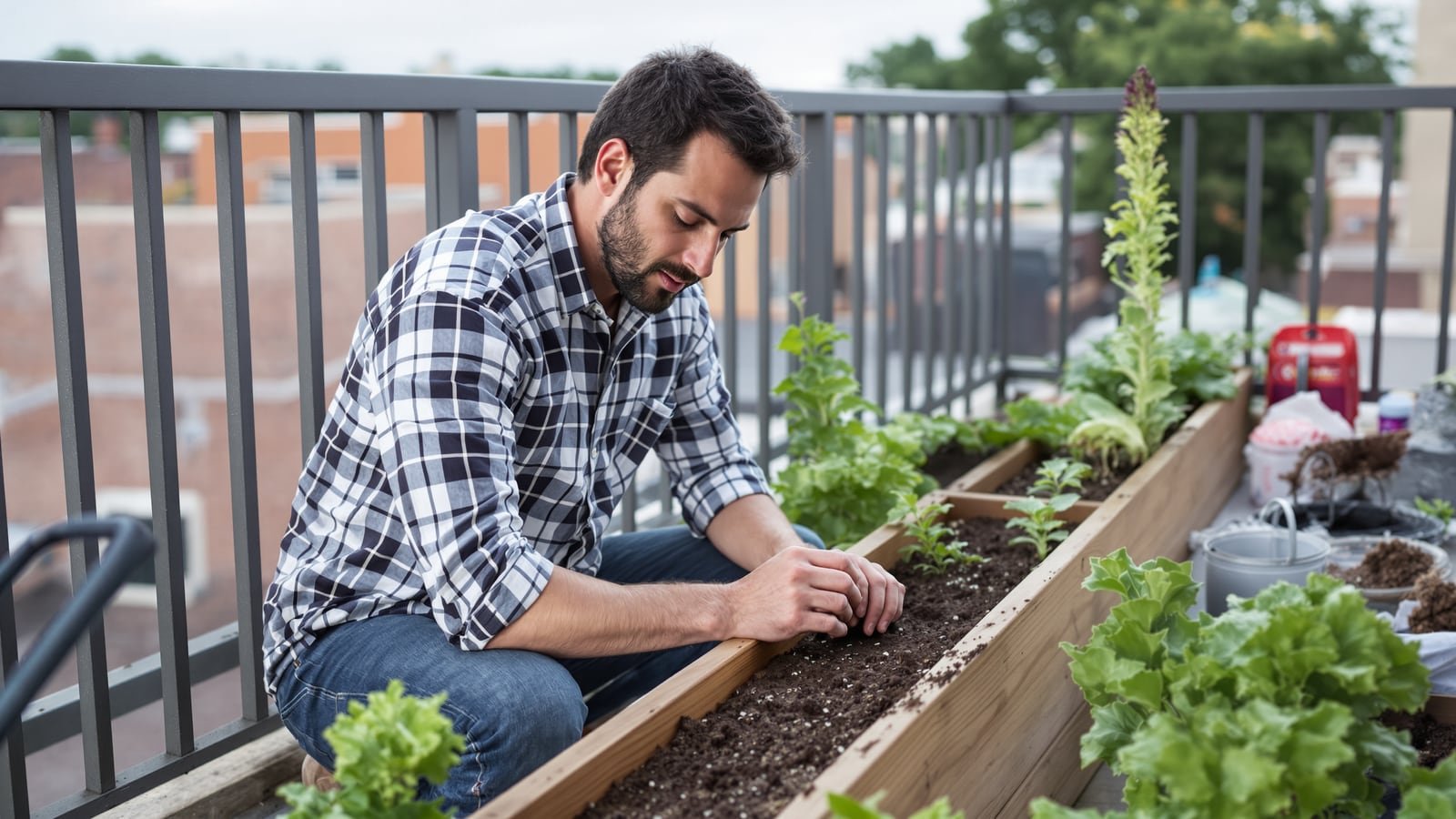
Quick answer: Sow lettuce and spinach four to six weeks before your last spring frost. Sow them again eight to ten weeks before your first fall frost. Skip the summer. Your zone sets the dates, so look yours up first.
The one-shot mistake
Most people plant a row of lettuce in May, cut it twice, and watch it shoot up into a bitter tower of flower stalks by the Fourth of July. That's bolting. Heat and long days tell the plant its job is to make seed, and it stops caring about being a salad.
You didn't do anything wrong except plant once. Greens are cool-weather crops, and you get two cool windows a year. Use both.
Pull up your hardiness zone and find your average last and first frost dates before you buy a single packet. Everything below counts from those two dates. A gardener in Zone 5 might sow in early April and again in late July. In Zone 7 it's more like March and mid-September. In the Deep South and desert Southwest, the fall planting becomes your main one and runs through winter.
The spring sowing
Spinach is the tough one. The seed germinates in soil as cold as 40°F, so sow it as soon as you can work the ground, even four to six weeks ahead of your last frost. Lettuce is nearly as patient. Light frost won't hurt either one.
Sow lettuce shallow. A quarter inch, no more. It needs light to germinate, and the most common failure is burying it. Spinach goes about half an inch deep.
Then do the part that matters. Sow a little every two weeks instead of one long row. A four-foot stretch of leaf lettuce every other Saturday gives you salad for two months. One big sowing gives you a glut for ten days and then nothing, and the neighbors will start avoiding you.
Cut leaf lettuce an inch or two above the crown and it grows back. You'll get several cuttings from the same plants. Pick the outer leaves, leave the center, and keep harvesting until the plant gets tall and the leaves turn bitter. Then it's done. Pull it and don't argue with it.
Plan on spring crops finishing when daytime highs sit in the 80s. Heat-tolerant varieties buy you a couple of weeks. Look for "slow-bolt" on the packet. A 30 to 40 percent shade cloth over the bed buys you more. Neither one beats the calendar.
The fall sowing is the better crop and the harder one
Fall greens are sweeter. Cold turns the plant's starches into sugars, and a spinach leaf that's been through a frost tastes like a different vegetable. Pests are fewer, and the weeds have mostly given up.
The catch is that you have to sow in the worst weather of the year. Late summer soil is hot, and lettuce seed goes dormant when soil climbs much past 80°F. Spinach gives up even earlier. You can water the seed in religiously and still get a bare row.
Here's how to count it out:
- Find your first fall frost date.
- Look up days to maturity on the packet. Leaf lettuce runs roughly 30 to 45 days, spinach 40 to 50.
- Add two weeks, because growth slows as days shorten.
- Count backward from frost. That's your sowing date.
For most of the country that lands in mid-July to early September. It feels absurd to sow lettuce in a heat wave. Do it anyway.
Getting seed to sprout in hot soil
Four fixes that work, in order of effort:
- Sow in the evening, then water. Soil is cooler overnight.
- Soak the seed in water for a few hours, or chill it in the refrigerator for a day or two before planting.
- Put the bed where it gets afternoon shade. The east side of a tomato cage row or a fence works. Shade cloth does the same job.
- Water the row lightly every day until it sprouts. A dry crust on the surface kills more fall lettuce than any bug does.
If your soil is stubborn, start the seed indoors in a cool spot and transplant when seedlings have two or three true leaves. Lettuce transplants fine. Spinach resents it, so direct sow that.
Keeping the fall crop going
Once nights drop into the 30s, lay row cover fabric over hoops. It's a few dollars of fabric and a handful of wire hoops, and it adds several degrees of protection. Lettuce is happy to about 28°F with cover. Spinach holds on well into the low 20s, and in many zones it'll sit through winter and take off again in March, giving you an early spring crop before you've planted a thing.
Kale, collards and mustard greens take the cold even better. Plant them alongside and you'll still be picking after Thanksgiving in a lot of places.
What goes wrong
Slugs. Fall's damp weather brings them out. Hand-pick them at dusk with a flashlight, or set a shallow tray of beer at ground level. It's not glamorous work, but it's cheap and it works.
Sandy, gritty leaves. Mulch the bed with a thin layer of straw or shredded leaves. Rain splashing soil onto the leaves is the culprit.
Yellow, stunted spinach. It wants soil pH near neutral, and it's hungry for nitrogen. If your bed is acidic or tired, work in a couple of inches of finished compost before sowing.
Crowding. Thin leaf lettuce to about four inches apart, spinach to three. Crowded plants get small leaves and stay wet, which invites rot. Eat the thinnings. They're the best salad of the year.
Planting where the last crop sat. Don't put spinach where spinach just was. Rotate the bed even in a small garden. If your space is tight, a raised bed makes rotation easy to manage.
Leave the bed better than you found it
When the spring crop is done, don't leave the bolted stalks standing. Pull them, compost them, and rake the bed level. Top it off with an inch of compost so it's ready when it's time to sow again.
And if you've got more greens than you can eat, put a bag of them on the neighbor's porch. Nobody ever resented a free pound of spinach.
Do the math once, write both dates on the calendar, and set a reminder for mid-summer. That's when most gardeners forget, and it's the date that decides whether you're eating salad in October.
Wes Dunbar
Country & Skills
Grew up on an acreage and never quite left. Covers trucks, trades, land, and how to do the thing yourself.

Watch
Worth an hour of your evening
More from Garden & Yard.
From channels we rate. Plays on YouTube.
Read next