Your dog's first duck season is really a training season
Shoot less, watch more, and fix the holes you built in. What a home-trained retriever needs from you between October and January.
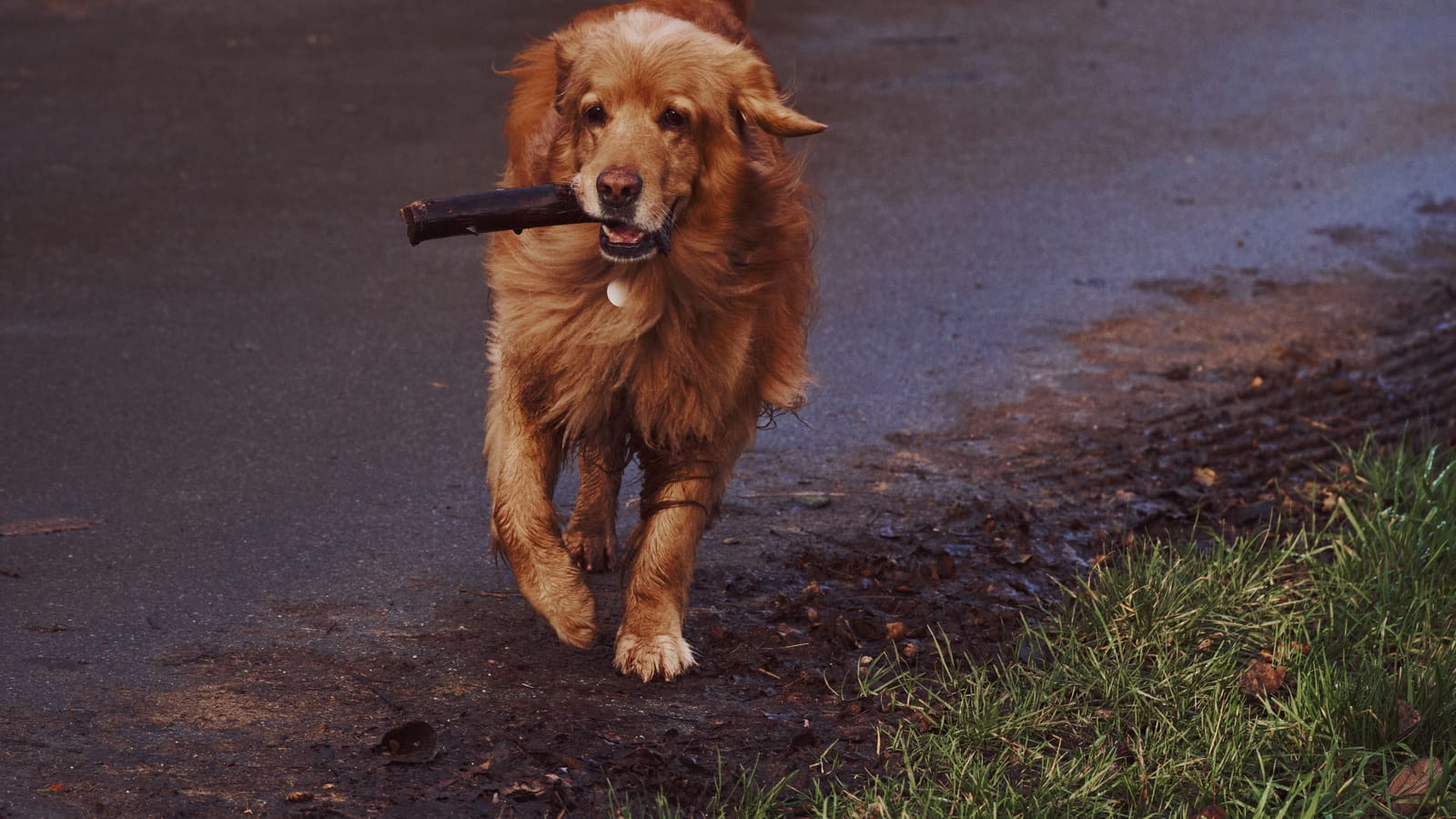
Plan on shooting about a third of what you legally could on opening morning. That's the trade you make when the dog beside you is one you raised yourself. Every bird you drop is a repetition, and the first dozen repetitions of the season decide how the next four months go. Kill one mallard clean out of a group of three, send her, get a good delivery to hand, and you've had a better morning than the man who folded three, sent a dog that broke on the shot, and got back a cripple after it swam past two dead birds.
Restraint on the opener is the whole strategy. Everything else is maintenance.
If the gun is still a question mark, the blind isn't the place to find out
Gun introduction happens in summer, at distance, with food, and it happens over weeks. A dog that flinches at a starter pistol at forty yards in August isn't a dog you fire a 12-gauge over in a plywood box in November. The blind amplifies everything. Enclosed space, muzzle blast bouncing off the walls, three other guns going at once.
If you've got any doubt, take the first hunt as an observer. Sit her at heel outside the blind on a lead, let other people shoot, feed her jerky the whole time, and go home without firing. That's a wasted morning that saves a ruined dog.
The dogs that come apart are almost never the ones that were scared of noise. They're the ones that got startled once at close range while they were already keyed up, and connected the bang to something bad. Once that's wired in, it takes a professional and a lot of months to unwire, if it comes out at all.
Steadiness is what you'll lose first
Your dog was steady in the backyard in September. She won't be steady on the first flock of teal that drops into the hole at seventeen yards, and you should expect that.
Fix it the same morning. Put a lead on her and clip it to something solid for the next two or three flights. Let her watch birds fall without going. Send her on a birdless retrieve of a dummy later, so the only thing she learns is that the release comes from you, not from the sound of the shot.
Don't punish a break. You'll just add heat to a dog that's already over-amped. Restrain, wait, release. That's it.
A stake-out or an anchored lead in the boat is also a safety item, not just an obedience one. A dog that launches out of a layout boat unbidden in three feet of moving water while somebody is swinging on a low bird is the setup for the worst day of your season.
Muzzle discipline changes when there's a dog in the pit
Two rules I hold to with no exceptions. No shot at a bird below the top of the decoy spread once the dog is in the water. And when she's working, guns come off shoulders and go back to safe, muzzles up or muzzles down, nobody tracking.
That means you'll pass on a swimming cripple that would be an easy kill. Take it after the dog is back and heeled, or take it before you send her. Some of the coldest looks I've ever given a man in a blind were about this, and I'd give them again.
Blaze-orange collar or a collar with a bright patch helps everyone in the blind see where she's in low light. It doesn't help her get seen by ducks, either, because ducks see her movement long before they see the color.
The things that actually hurt retrievers
Decoy lines. A dog that comes back through the spread on a long tangent can wrap a line around a leg or, worse, the neck. Rig with the shortest line the depth allows, use texas rigs where the bottom permits, and pick up lines you're not using. If she gets wrapped, you go in. Chest waders in current is how people drown, so know your bottom before you commit.
Cold water is the other one. Below roughly 45 degrees, a lean dog with a short coat loses heat fast, and a hundred-yard blind retrieve into a wind will cost her more than the bird's worth. A neoprene vest buys you real working time. So does a dry blanket and a chunk of dog food at the truck.
Ice is the hazard people underestimate. A dog that breaks through a skim edge can't get purchase to climb out, and she'll keep trying until she can't. If there's shelf ice on the retrieve line, don't send.
Watch for shivering that stops. A dog that was shivering and now isn't, and has gone quiet, is a dog that goes to the truck heater right now and to the vet if she doesn't come around. Ask your vet in advance what they want you to do, and put their after-hours number in your phone before the season, not during it.
The paperwork isn't the same where you're
Waterfowl rules vary by state, province and country, and some of them change season to season. In the United States you're generally looking at a state license, a federal duck stamp, HIP registration, a plugged magazine and nontoxic shot, plus daily bag limits that differ by species. Some states add their own stamp. Some manage specific zones with separate dates.
None of that's legal advice and none of it substitutes for the current regulations from the agency that manages your ground. Read them each year. Print the species bag limits and keep them in the blind bag, because you won't remember the hen mallard number at 5:40 a.m.
Dogs get regulated too in places. Some public areas restrict where a dog may work, and some retrieval seasons and hours differ from shooting hours.
Cripples are the reason the dog exists
Steel cripples more birds than lead did. That's the honest cost of the shot we use, and the answer is a dog that will hunt dead and take a cast.
Make crippled birds the priority every single time. Bird down and swimming goes before bird down and dead, always, even when it costs you the second mark. If your dog will handle at all, this is where the July whistle work in the cut hayfield earns back its whole cost.
Count what you retrieve against what you knocked down, and if you left one, go look. Walk the cattails. Send her on a blind into the cover. A duck lost in the reeds counts against your limit in most jurisdictions anyway, and it should count against you regardless.
Where a home-trained dog will let you down
Mine has holes and I know where they are. She'll take a back cast all day and she's sloppy on an angle-in to the left, because I trained on a pond where the left-hand cast always had a shoreline crutch. She'll deliver to hand nine times out of ten, and the tenth is a shake at my knees.
A professional would have closed both of those in six weeks. If you hunt big water, or you shoot with people who won't tolerate a dog that occasionally freelances, paying a trainer is a reasonable call and there's no shame in it.
The thing you get instead, by doing it yourself, is that you know the shape of every gap. You know she's weak at 120 yards into a crosswind, so you don't set up where that shot happens.
Some black morning in January she'll take a hand signal you taught her in a mowed field in a July that felt like it was going nowhere, swim eighty yards, and come back with a drake you never saw fall. You'll remember the exact afternoon that paid for it.
Wes Dunbar
Country & Skills
Grew up on an acreage and never quite left. Covers trucks, trades, land, and how to do the thing yourself.

Watch
Watch how it's done
Picked for this article.
From channels we rate. Plays on YouTube.
Lone Duck Outfitters & Kennels
Creating A Steady Dog Step 1 - Hunting Dog Training
Hunt Factory Inc.
Train Your Labrador For Duck Hunting Situations
Read next