

Handle a difficult peer before the sergeant ever hears about it
Most friction between equals is a lane problem, not a character problem. Settle it man to man, and know the few things that must go up the chain.
Quick answer: Talk to him privately, soon, about one specific behavior and one specific change. Keep it calm and short. If what you're dealing with is hazing, harassment, discrimination, or a safety hazard, skip all of this and report it.
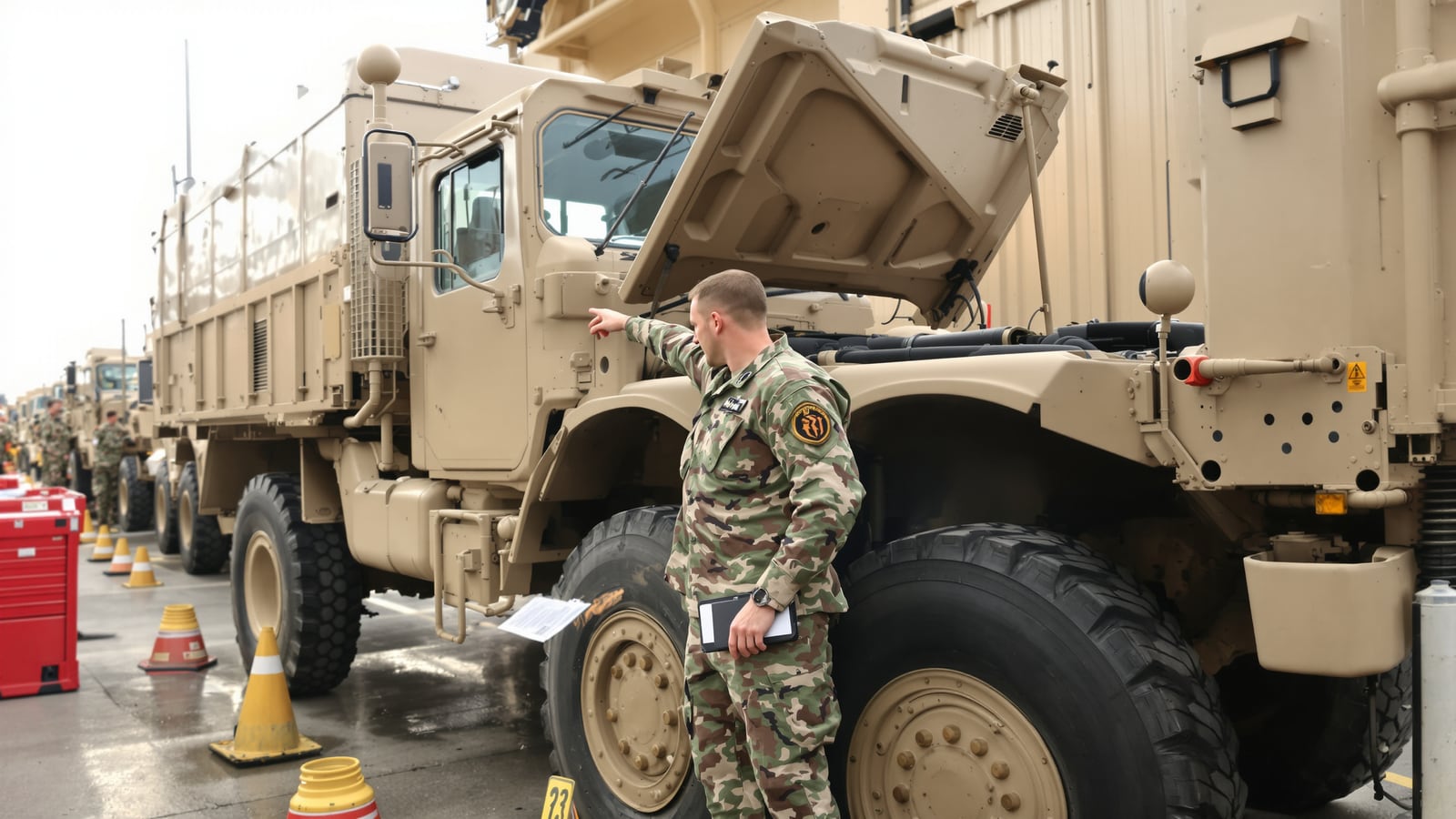
Every unit has one. He leaves the vehicle checklist half done and signs it anyway. He grabs credit in the brief for work three people did. He talks over the new guy, or he's got a running mouth about everybody who isn't in the room. He's not your subordinate and he's not your boss, so you can't order him and you can't ignore him.
The reflex is to take it upstairs. Sometimes that's right. More often it's the expensive move, and it tends to cost you more than it costs him.
Why the chain is the wrong first call
Go to the sergeant over a personality problem and three things happen. Your leader now has a problem he didn't have yesterday. The other guy learns you'll route around him instead of dealing with him, which makes him trust you less. And the story gets told by somebody else, in a version you don't control.
It also marks you. A leader with eight people to run notices which ones bring him solutions and which ones bring him complaints. That's fair, because he's right to notice.
None of this means you eat it and say nothing. It means you earn the right to escalate by handling the first round yourself. If you do go up later, you'll walk in with a clean record: "I talked to him on the 3rd, I asked for this, it didn't change." That's a report. The other way is a gripe.
Know the line before you start
A peer conversation is for friction. It's the wrong tool for these:
- Hazing, harassment, discrimination or assault. Report it. Your installation's Equal Opportunity office, your Inspector General, and your chain all exist for this, and your service's official channels will tell you who handles what.
- Anything that gets somebody hurt. A weapons handling violation, a skipped safety check, a guy running impaired on a shift. Safety doesn't wait for a feelings conversation.
- Anything illegal. Same answer.
- Someone who outranks you or sits in your chain. That's a different conversation with different rules. Don't treat it like a talk between equals.
Everything else is fair game for you to handle: the attitude, the sloppiness, the credit grabbing, the mouth.
Figure out what it actually is
Spend ten minutes on this before you say a word. Write down, in one sentence, the specific thing he does. Not "he's a jerk." Not "he's lazy." Something an outsider could have watched on a camera: "He left the tool crib unlocked twice this week and didn't log the torque wrench."
If you can't get it down to one observable sentence, you aren't ready to talk. You're still just angry.
Then ask the uncomfortable question. Is he doing this to you, or is it how he does everybody? Is it deliberate, or does he honestly not know? Most of the time it's the second. A man who's been getting away with a habit for two years has never had anybody tell him it costs somebody something.
And ask the one most people skip. What's my part? Maybe nothing. Maybe you've been rolling your eyes in meetings for a month, and he's been reading it correctly.
The conversation
Pick the place and time. Private, not in front of the section, not at the end of a bad shift, not when either of you is hot. Walk-and-talk works well: out to the lot, around the motor pool, along the back of the station. Side by side is easier than face to face.
Open plain: "Got a minute? There's something I'd rather say to you than to anybody else."
That line does real work. It tells him you chose him over the gossip route, which is a sign of respect, and most men will meet it halfway.
Then give him the one sentence and the one request:
"When the crib's left open and the wrench isn't logged, I'm the one who gets asked where it went. Can you lock up and log it before you leave?"
Stop there. Don't pile on the last three months. Don't use "always" or "never." Don't say "you need to." He'll hear a rule he didn't agree to, and he'll fight you over it. A request leaves him room to say yes.
Then listen, and mean it. He may have a reason you didn't know about. He may tell you you've been short with him. Take it if it's fair. "Fair enough, I'll work on that" costs you nothing and buys a great deal.
When he gets defensive
He might. Don't match it. Say "Understood," repeat your one request, and leave it there. People often agree to nothing in the moment and change quietly over the next week, because nobody wants to lose face in front of the man who just handled him decently.
If he comes back hot, hold the line without raising your voice. Being the servant with a backbone means you serve the team and you don't get walked on. You can be kind and still say, "I'm not going to cover for it."
Keep the receipts, quietly
Not a vendetta file. A few dated lines in a notebook or your phone: what happened, what you asked, what he said. It takes two minutes. If you ever do have to go up the chain, you'll be glad you did. If you never do, you've lost nothing.
When it doesn't change
Give it a fair stretch, a couple of weeks, and watch for any movement at all. If it's still happening, have a second short conversation: "I asked about this on the 3rd and it's still happening. I'd rather settle it between us. What's going on?"
If that fails, now you go to your leader. Do it right:
- Go as one person with a problem and a record, not as a crowd.
- Say what you did already, in one line.
- State the effect on the work or the team, not how you feel about him.
- Ask what the leader wants you to do next, and then do it.
You're bringing the sergeant a problem with the first two steps already done. He'll remember that.
What it's protecting
You're going to need this man. You'll need him on a bad night, on a deployment, or on a call, and he'll need you. A unit runs on people who can say a hard thing to each other and still show up the next morning. The people you serve beside are also the people who'll vouch for you after you leave, which is worth keeping in mind when you turn your record into a civilian resume.
And don't carry it home. If a peer is eating you up, say so to your spouse early, before it comes out sideways at the dinner table. A marriage that holds through a deployment holds through a rough section, too. If it's weighing on you more than a talk can fix, Military OneSource offers confidential non-medical counseling, and it's a good place to start.
After it's settled, do one small decent thing for the guy. Cover a shift, hand him the good seat, bring him a coffee. Leave the relationship better than you found it.
Your sergeant's time is the most expensive thing in the unit. Spend yours first.
Ade Fisher
Young Men
Teaches the trades intake at a community college. Writes the manual he wishes his students arrived with.

Watch
Watch how it's done
Picked for this article.
From channels we rate. Plays on YouTube.
TEDx Talks
A hostage negotiator on how to resolve conflict | Karleen Savage | TEDxValparaisoUniversity
Simon Sinek
Addressing Conflict with Care: Simon Sinek's Approach to Workplace Negativity
Read next