

A home inspection report is a price list, so read it like one
Sixty findings, forty pages, and maybe four items that should change what you pay. Here's how to sort the report before your window to negotiate closes.
Quick answer: Sort every finding into one of three piles. Things that let water in or put your family at risk go to the seller. Systems that are old but working go in your budget. Everything else is a to-do list for a Saturday. This is general education, not advice. Your agent, your attorney and a licensed contractor know your contract and your house.
The report is built to scare you
Picture the day it lands in your inbox. Forty-two pages, 63 findings, red flags, orange flags, photos of a rusty something under the sink. Your stomach drops and your spouse asks if you should walk.
Don't. Inspectors write for their own protection. If they list every loose cabinet hinge, nobody can accuse them of missing anything. A long report mostly means a thorough inspector and a house that's more than a few years old. Every house has findings. You're not hunting for a perfect one. You're hunting for the findings that cost real money.
So take a pen and sort.
Pile one: water, structure and safety
Start with water, because water is what destroys houses. Look for the roof, flashing, gutters and grading, meaning which way the ground slopes at the foundation. Look for stains on ceilings, soft wood, damp crawl spaces and plumbing leaks. A small stain with a dry reading might be an old leak that was fixed. A stain that's still damp is a problem somebody's hoping you'll overlook.
Then structure. Cracks in a foundation wall deserve attention when they're wider than a hairline, stair-stepped through block, or paired with doors that stick. Sagging floors and cut or damaged framing belong here too.
Then safety:
- Electrical panel defects, scorched wiring, or missing ground-fault protection near water
- Gas leaks or poor venting on a furnace or water heater
- Missing or failed handrails and guards
- Evidence of active pests eating wood
Watch for one phrase above all others: "recommend further evaluation by a licensed [roofer, electrician, structural engineer]." That's the inspector telling you he's out of his depth, and it's the most expensive sentence in the report. Don't negotiate on it yet. Pay for the specialist visit, get a written quote, and negotiate on the quote.
Pile two: old, working, and coming for your savings
Here's where the arithmetic earns its keep. A 17-year-old furnace that runs fine isn't a defect. It's a bill with a date you can't see yet.
For each aging system (roof, furnace, air conditioner, water heater, windows) write down roughly how many years the inspector thinks are left and what replacement would cost. Get that number from a local contractor, not from an internet average. Then divide. If a roof will need replacing in about five years and the quote is $14,000, you're looking at roughly $2,800 a year you should be setting aside. That's an example, not a forecast for your house.
Sellers usually won't credit you for age. They sold you a working system, and a working system is what you're getting. But the number belongs in your budget, and it may belong in your decision about how much house to buy. A house with three systems near the end of their lives is more expensive than the listing price says. The same is true of a truck: the car payment isn't the price, and neither is the mortgage payment.
Which is also why your emergency fund shouldn't go to the down payment. Closing day is when a house starts asking for money you didn't plan on. Keep a reserve after you've signed, or the first surprise goes on a credit card.
Pile three: leave it alone
This is the biggest pile, and it's the one that makes people look petty at the table. Skip these in negotiation:
- Cosmetic wear: scuffed paint, worn carpet, dated tile, a cracked outlet cover
- Minor maintenance: caulk, a dripping faucet, a sticky window, a loose towel bar
- Anything the inspector flags as "typical for the age of the home"
- Small grading or landscaping issues you can fix with a shovel and a weekend
- Cosmetic cracks in drywall or a driveway
None of that will change what the house is worth, and every item you push on spends goodwill you may need for the roof. Ask for a handful of things that matter. A 40-item repair list reads like someone who's looking for a reason to fight, and sellers dig in.
How to ask, and for what
You generally have three options: ask for repairs, ask for a credit at closing, or ask for a lower price. Your contract spells out how much time you have and what the process is, so read it and ask your agent or attorney before the clock runs out. That window can be short.
A few rules of thumb:
- Credits usually beat repairs for anything big. A seller who's trying to get out of a house will hire the cheapest fix, and you'll have no say in who does it. Take the money and hire your own person.
- Repairs make sense for safety items with a clear, inexpensive fix, like a missing handrail or an exposed junction box. Ask for a receipt from a licensed tradesman.
- Price cuts are cleaner when the problem is large and the fix is uncertain.
- Know your loan. An FHA or VA loan comes with an appraisal that can require certain repairs before closing, whether you asked for them or not. Ask your lender what applies to you.
Write the request down with the inspector's page numbers and your contractor's quotes attached. "The inspector flagged this" is an opinion. "A licensed roofer quoted $6,500 to fix it" is a number, and numbers are hard to argue with.
Walking away
Sometimes the right answer is no. If there's active structural movement, a failing foundation, or serious water damage with no clear cause, and the seller won't move on price, you're allowed to leave. Your contingency exists for exactly this. Losing the cost of an inspection is far cheaper than inheriting a $40,000 problem and a ten-year argument with your own budget.
But walk because the arithmetic failed, not because the report was long.
Before the next one
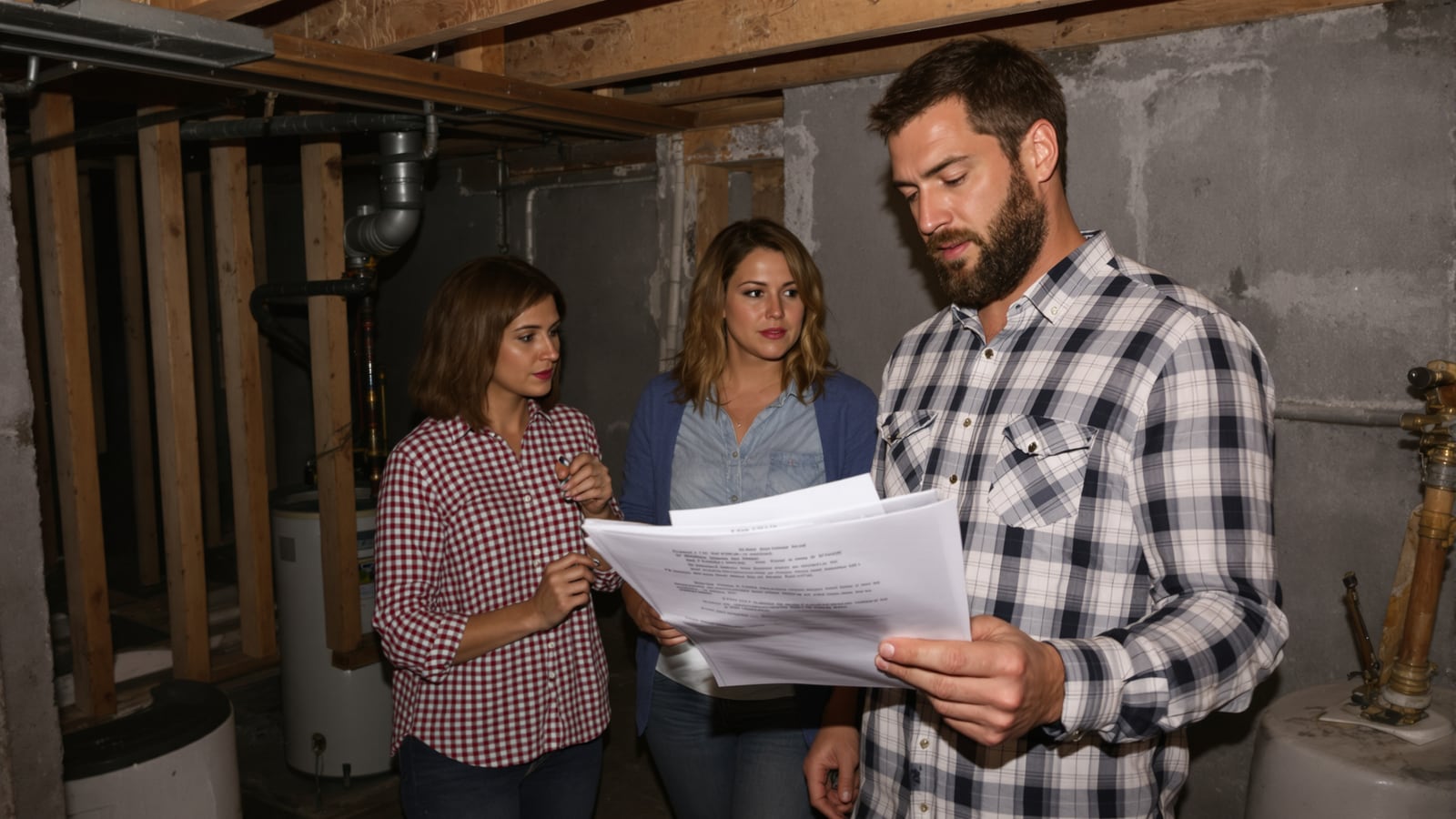
Next time, go to the inspection. Bring a flashlight and a notepad. Follow the inspector around and ask him what he'd worry about if it were his money. You'll learn more in two hours than in two weeks of reading, and you'll know which findings are the house's character and which ones are its bills.
If you've got a bonus or sale proceeds heading for a down payment, read what to do with a lump sum before it quietly disappears first. The first year in a house is when it'll ask for more than you expected.
Buy the house you can afford to own, not just to close on.
Ray Okonkwo
Money & Business
Former commercial banker turned small-business owner. Covers salary, credit, margins and the arithmetic nobody does before signing.

Watch
Worth an hour of your evening
More from Money.
From channels we rate. Plays on YouTube.
Read next