Hand over the keys on your terms, years before they ask
The left turn you've started avoiding is telling you something. Run the decision yourself, in stages, and you'll keep driving longer than the man who waits.
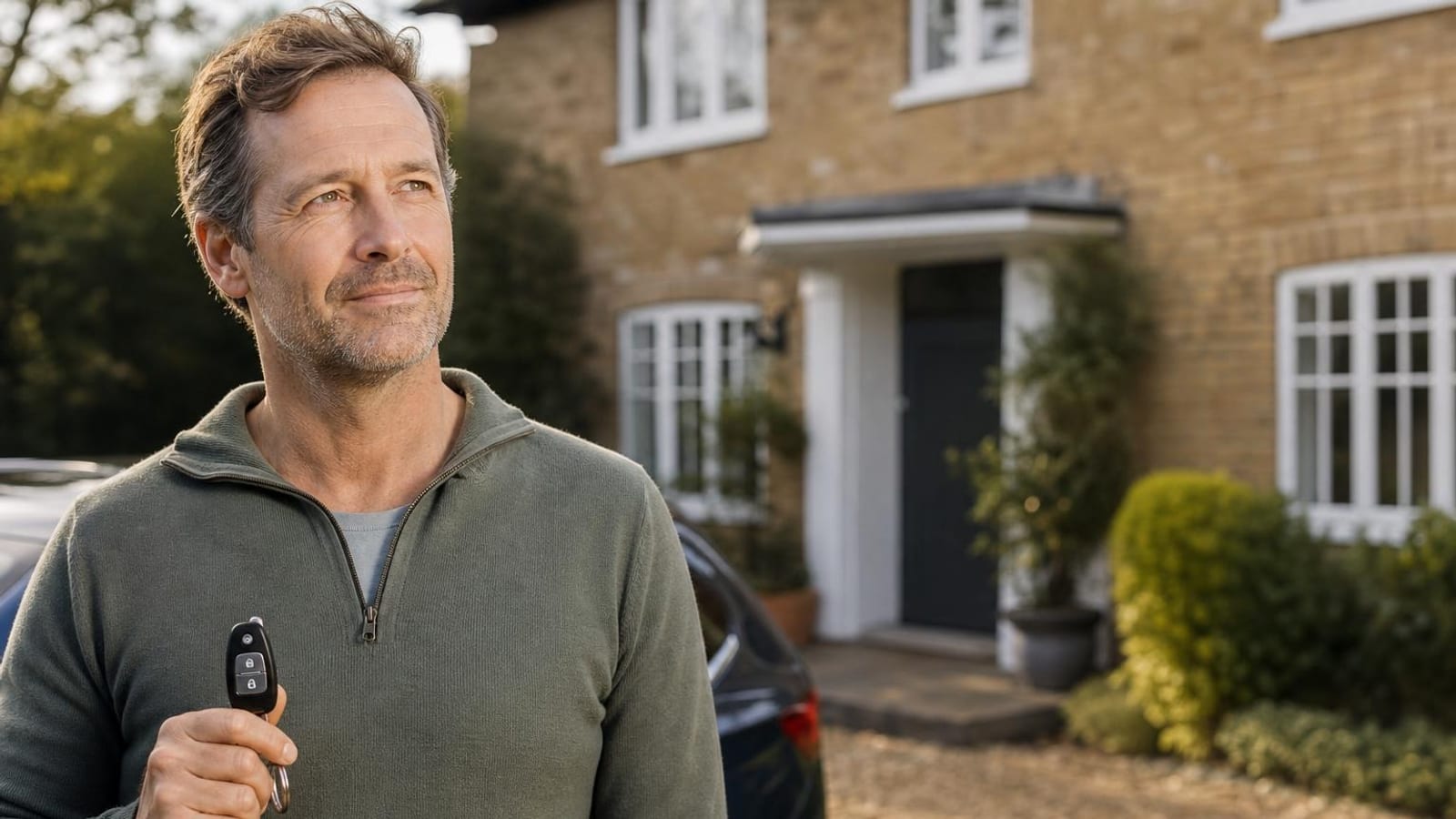
There's a left turn on your regular route that you've quietly stopped making. Maybe it's the one across four lanes on the way back from church, and now you go around the block and come at it from the light. You didn't announce that. You just started doing it.
That adjustment is the whole ballgame. Not because it means you're finished driving — it doesn't, and men make that leap far too fast — but because it's proof you're still auditing yourself. The man who loses his license at eighty-three in a bad way is almost never the man who noticed the left turn. He's the man who insisted nothing had changed while his daughter started finding reasons not to put the kids in his back seat.
So run this yourself. Early, on paper, in stages. The reward for starting the conversation at sixty-eight is that you'll probably still be driving at eighty. The penalty for waiting is that somebody else picks the date.
Grade yourself on near misses, not crashes
A clean record proves less than you think. Plenty of drivers go years without a collision while everybody around them does the swerving.
The honest indicators are smaller and they're all things you already know:
- Horns. More of them, from people who seem genuinely startled rather than just impatient.
- Scrapes and dings on the truck you can't fully account for.
- Getting turned around on a road you've driven for thirty years.
- Drifting toward the line and correcting, more than once on a single trip.
- A stop sign or a red light you only registered late.
- Your wife's right foot pressing the floor mat.
- Grown kids offering to drive when they never used to.
Write down every one of those that's happened in the last six months. Not to build a case against yourself. To have real information instead of a feeling.
Fix the mechanical problems before you assume it's age
Here's the part that costs men years of driving they could have kept: they treat a fixable problem as a verdict.
Night glare that turns oncoming headlights into starbursts is frequently cataracts, and cataract surgery is routine and it works. Contrast sensitivity — reading a curb or a pedestrian in gray weather — declines quietly and doesn't show up on the eye chart they use at the DMV, so ask your eye doctor to check for it specifically. Get the hearing tested, because sirens and a grandchild's warning from the back seat both matter.
Then check your neck. If you can't rotate far enough to clear your blind spot, that's a shoulder and thoracic mobility problem, and it responds to work. Same for your right ankle. Moving your foot from gas to brake fast is strength and reaction, and both are trainable at seventy.
And go through your medication list with your pharmacist, all of it, including the sleep aid and the allergy pill. Sedating drugs stack. That's a five-minute conversation that has kept a lot of men on the road.
Get an actual assessment, not a family opinion
There's a professional for this and most men have never heard of her. A driver rehabilitation specialist — usually an occupational therapist with extra certification — does a clinical screen and then an on-road evaluation in a dual-control car. Hospitals and rehab centers have them. Search "driver rehabilitation specialist" plus your state.
The reason to use one is simple. Her assessment isn't your son-in-law's opinion, and it isn't your pride. It's a report. It might say you're fine. It might say you're fine with restrictions and here they are. It might say you need hand controls, or a bigger mirror, or a car with a higher seat and a backup camera.
AAA and AARP both run refresher courses for older drivers, and in a lot of states finishing one knocks something off your insurance premium. A CarFit check — run by trained volunteers, often through AAA or an Area Agency on Aging — spends twenty minutes adjusting your seat, mirrors, head restraint and steering wheel distance. It's unglamorous and it genuinely helps.
The middle ground almost nobody uses
This is the move. Not driving or not driving. Driving less, on your own written rules.
Draw them up while nobody's pressuring you:
- Daylight only. No trips that end after dark from November through February.
- No interstate. Or interstate only on the twelve miles you know cold.
- A radius. Fifteen miles from the house. Past that, you ride.
- No rush hour, no rain, no snow.
- No unfamiliar cities. Ever. Those are ride days now.
Many states will issue a restricted license along these lines if you ask, and asking for one is a strong hand, not a weak one. You've named your own limits before anyone named them for you.
Trade-off worth saying out loud: a restriction list only works if you keep it on a bad day. The Tuesday your buddy's in the hospital forty miles away at nine at night is exactly when you'll want to break it. Decide now who you call instead, and put his number in your phone under something you'll find fast.
Build the alternatives while you still don't need them
Nobody learns a new system well under stress. So learn it now, on an ordinary Thursday, when you could have just driven.
Set up the rideshare app with a grandkid sitting next to you and take one ride to the barber. Add a payment card. Do it twice. The second time will be boring, which is the point.
Then find out what your town actually has, because most men have no idea:
- Dial-a-ride or demand-response service through the local transit authority, often a few dollars a trip for riders over sixty-five.
- ADA paratransit if you qualify, which requires an application and takes weeks, so apply early.
- Volunteer driver programs run through churches, hospitals and Area Agencies on Aging. The Eldercare Locator will point you to yours.
- Some Medicare Advantage plans include a set number of rides a year. Check your benefits book. People forget it's in there.
Now the money, and this is where the argument usually turns. Add up what the truck really costs you across a year: insurance, registration, gas, tires, oil changes, the brake job, the thing that broke in August, and depreciation. Divide by twelve. That's your monthly ride budget, and for most men who drive under five thousand miles a year it's a bigger number than they expect. Many of them can hire a driver more often than they thought and come out even.
Run the family conversation yourself
Don't let this be an ambush at Thanksgiving. Call it, pick the room, and go first.
Tell them four things. What your current plan is. What the restrictions are. Who your co-pilot is — one person, named, who has your standing permission to tell you it's time and be listened to the first time. And what your triggers are, written down: an at-fault crash, getting lost twice, a specific diagnosis, your doctor saying the word.
Then ask them to bring you facts, not fears. If they've seen something, they say what and when, not "we're worried about you."
When the day finally comes, don't sell the truck the same week. Park it. Give yourself a month to discover the rides work before you close the door for good. And when you do let it go, hand it to a grandson who'll learn to change his own oil in it.
The keys were never the independence. The deciding was.
This is general information to help you think things through, not medical, legal or financial advice. Please check with your doctor, pharmacist or a qualified adviser before making a change.
Marcus Vale
Editor-in-Chief
Twenty years in magazines, most of it deciding what to cut. Writes about work, discipline and the decisions that compound.

Watch
Watch how it's done
Picked for this article.
From channels we rate. Plays on YouTube.
Way2Go Tompkins County
Aging and Driving Part 2: Assessing Safety for Older Drivers
CBS Mornings
When is the right time for elderly drivers to hand over their keys?
Read next