

Stop spraying oil in your locks and hinges
Oil fixes a stiff lock for a week, then gums it up for good. The right lubricant, in the right spot, lasts years.
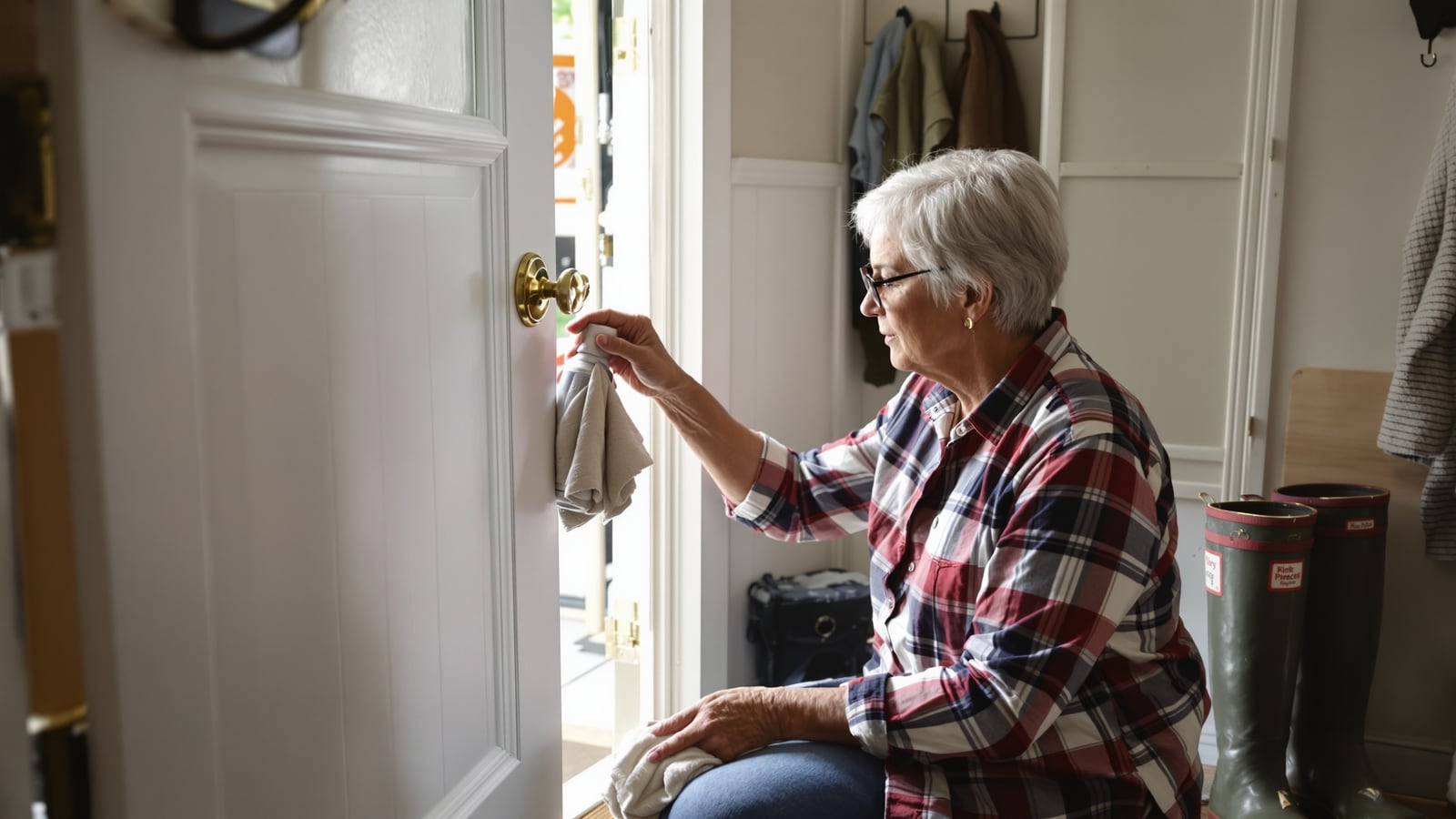
Quick answer: Use a dry PTFE lubricant in lock cylinders and a thin film of light grease or machine oil on hinge pins and latches. Clean first, use less than you think, and wipe off the excess.
Why oil ruins a lock
The pins inside a key cylinder are tiny, and their tolerances are tight. Oil makes the key turn easier today. Then it collects dust, lint, and pocket grit, and by spring you've got a paste in there that's worse than the original squeak.
That's the mistake nearly everybody makes. They grab whatever's in the garage and soak the keyway.
A dry lubricant works differently. A PTFE-based spray carries the lubricant in a solvent that evaporates, leaving a slick film that doesn't stay tacky. Dust has nothing to stick to. That's what you want in anything with small moving parts you can't see.
Graphite powder is the old-school answer and it still works. But it's messy, it can clump if the lock gets damp, and it'll turn your key and your fingers black. For most people a PTFE spray with a thin straw nozzle is easier.
Figure out what's actually wrong
Spend two minutes here and you may save the whole job.
Open the door and work the deadbolt with the door standing open. If it throws smoothly, the lock is fine. Your problem is alignment: the door has sagged, or the house has shifted, and the bolt is dragging on the strike plate. Lubricant won't fix that. Look for scuff marks on the plate, then tighten the hinge screws before you do anything else.
If the key itself drags going in, or the cylinder turns stiff even with the door open, that's lube and cleaning. Keep going.
If it's a smart lock with a motor that's laboring, stop. A dry cylinder isn't your problem, and the electronics are a different kind of job. The piece on the wiring jobs worth doing yourself and the ones that aren't will help you decide how far to go.
What you need
- A can of dry PTFE lubricant with a straw nozzle
- A can of light machine oil or white lithium grease
- Clean rags or paper towels
- A nail set or a large nail, and a hammer
- Rubbing alcohol or electronics contact cleaner
- A door wedge or a folded piece of cardboard
- Safety glasses
Safety first
Wear the glasses. Spray rebounds off metal, and a solvent-based lubricant in the eye is a bad afternoon.
Work with the door open and the room ventilated. Keep the cans away from any flame, including a pilot light, and put them back out of reach of children when you're done. Lay a rag under the work, because overspray on hardwood or tile makes a floor slick and nobody in your house will thank you for it.
If you're taking a door off its hinges, do it in daylight, with someone home, and don't leave the opening unsecured overnight.
Lubricating the lock
1. Clean the key. Wipe it with a rag and a little alcohol. A dirty key carries the grit right back into the cylinder you just cleaned.
2. Clean the keyway. Give a short burst of contact cleaner or a squirt of alcohol into the slot, then work the key in and out a few times. Let it evaporate for a minute or two. If the cylinder was truly grimy, the first pass will bring out something gray.
3. Add the dry lubricant. Put the straw into the keyway and give it one short burst, about a second. Not a soak. A second is plenty.
4. Work it in. Insert the key and pull it out, ten times. Turn the key through its full motion a few times too. You should feel it smooth out by the fifth or sixth pass.
5. Wipe the key. Whatever came out on the metal gets wiped off, so it doesn't end up on your pocket or your steering column.
6. Treat the latch. The slanted bolt that slides into the strike plate is a different part and it likes a different treatment. Wipe it clean, then rub a thin smear of grease or a stub of candle wax across the slope. Open and shut the door a few times.
Lubricating the hinge
A squeaking hinge is dry metal rubbing on metal, and the pin is where it happens. Spraying the outside of the barrel makes a small improvement that doesn't last. Get the pin out.
1. Work one hinge at a time. Close the door and wedge the bottom so it can't shift.
2. Drive the pin up. Set the nail set against the bottom of the pin and tap upward with the hammer. It'll rise. Once it's high enough, pull it out by hand. If it's stubborn, tap a little, then a little more. Don't hammer it like you're angry at it.
3. Wipe the pin clean. You'll probably see rust dust or black grime. Wipe it down until the rag stops coming away dirty. A bit of fine steel wool takes off light rust.
4. Add a thin film. Grease or light machine oil on the pin, enough to shine, not enough to drip. Inside a hinge barrel, a thicker coat is usually better than a thin one, because grease stays where you put it.
5. Reinstall and swing. Tap the pin back in and open the door a few times. If the squeak's gone, repeat on the next hinge. Doing them one at a time means the door never leaves its frame.
A word about WD-40
It's handy for freeing a rusted or seized part, and it displaces water well. But it's mostly a light solvent, and the lubricating film it leaves behind is thin and doesn't last. Use it to loosen things, clean up afterward, and put a proper lubricant on top. Don't treat it as the finished job.
Padlocks, winter locks, and the one you forgot
A padlock outdoors takes the worst abuse of any lock you own. Hit the keyway with PTFE, and put a drop of light oil on the shackle where it enters the body. Work it open and closed. Wipe off the outside.
In freezing weather, lock de-icer is mostly alcohol, which melts the ice. Once it's evaporated, follow with a short burst of dry lubricant so moisture doesn't freeze back in.
And the one nobody touches: the key cylinder on your car door. Most of us use the fob and never turn the key. Then the battery dies, and that cylinder is stiff and gritty at the worst possible time. Give it the same treatment now. It pairs well with knowing how to jump-start a car without wrecking the electronics, because the two problems show up together more often than you'd think.
Leave it better than you found it
Wipe up every drip. Check the floor beneath the hinge and the doorframe for beads of oil. Put the caps back on the cans, put the cans back on the shelf, and put the nail set back in the drawer.
Do the whole house once, and write the date inside a cabinet door. Check again in a year. Ten minutes per door, once a year, and you'll never be the guy standing on the porch in the rain wondering why the key won't turn.
Wes Dunbar
Country & Skills
Grew up on an acreage and never quite left. Covers trucks, trades, land, and how to do the thing yourself.

Watch
Worth an hour of your evening
More from Skills.
From channels we rate. Plays on YouTube.
Read next