Wool isn't just for winter, and it beats cotton in July
The right weave and the right blend stay cooler than cotton, hold their shape longer, and don't smell by noon. Here's what to buy and what to check.
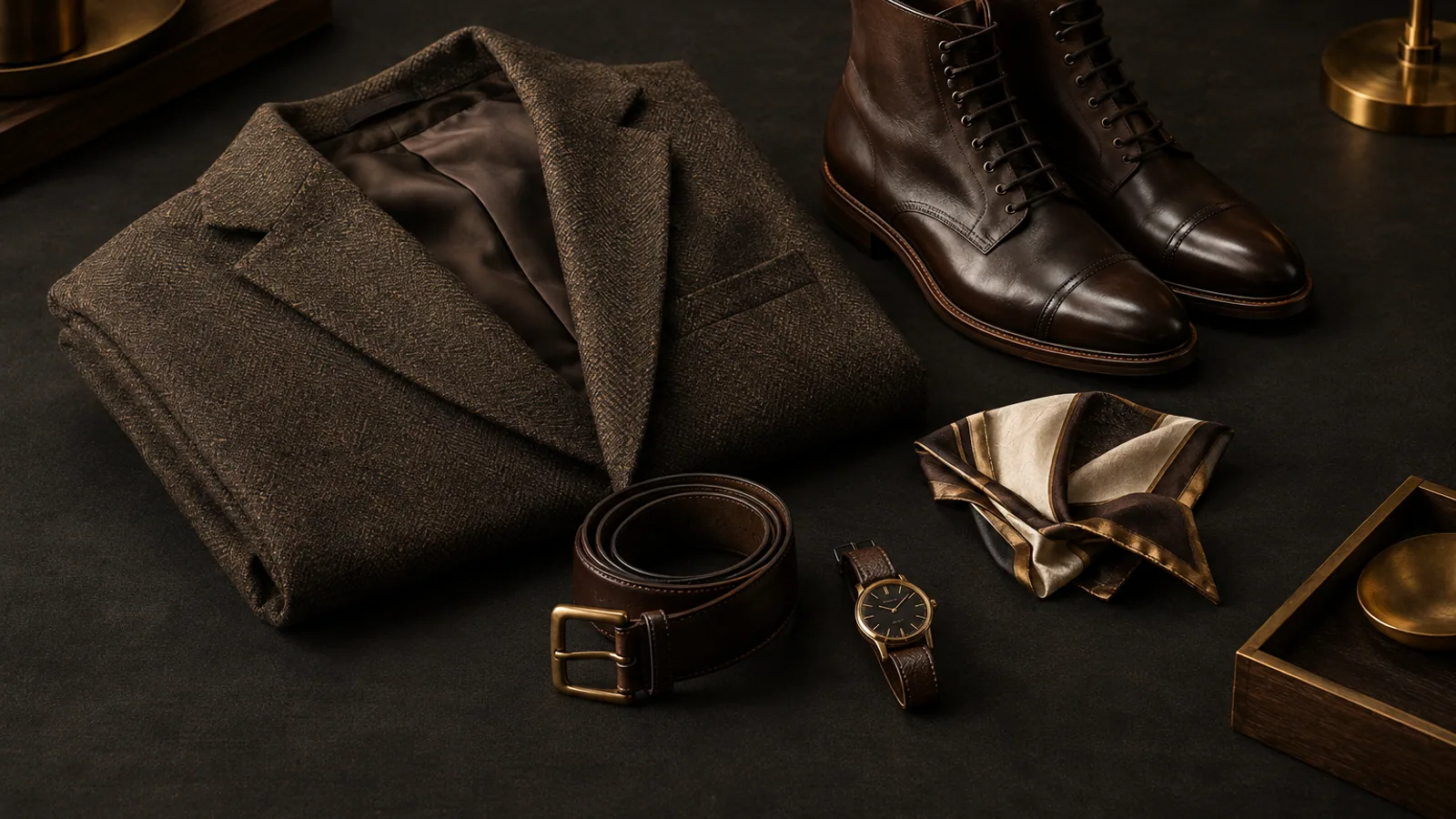
Quick answer: Buy wool by weave and weight, not by the word "wool." For warm weather, look for tropical-weight trousers, a wool-linen overshirt, a fine merino tee with a little nylon in it, and wool-blend socks. Hold the fabric to a window. If you can see light through the weave, it'll breathe.
Cotton's problem in July
A cotton tee drinks sweat and keeps it. By 2 p.m. it's clinging at the back and collar, and it takes hours to dry. Cotton feels great for about forty minutes.
Wool handles moisture differently. The fiber takes up water vapor and releases it before the cloth ever feels wet on your skin. That's why a good merino shirt doesn't turn clammy when you walk from the parking lot to the office. It also resists odor, so you can wear it twice without apologizing to anyone.
You're picturing flannel and tweed, and you're right that those belong in January. They're the wrong wools for summer. The fiber isn't the problem. The yarn and the weave are.
Read the weave before the label
Summer wool is built differently. The yarn is fine and tightly twisted, and the weave is open enough to let air through. Three names to know:
- Tropical worsted. Smooth, light, and sold as "year-round" or "tropical weight" suiting and trousers.
- Fresco. A harder-twisted, open weave that feels almost crisp. It's the one tailors reach for in heat.
- Hopsack. A basket-style weave that breathes well and shrugs off wrinkles. It's common in summer blazers.
Weight tells you a lot. Suiting wool is sold in ounces per yard. Roughly seven to ten ounces is summer territory. Twelve and up is a fall fabric, and you'll feel it.
Then do the window test. Hold the garment up to the light. A summer wool shows pinpricks of daylight through the weave. A dense, dark, solid-looking cloth won't, no matter what the tag says.
The blends worth buying
A blend isn't a downgrade. Done right, each fiber covers for the other.
Wool and linen. The best summer combination there is. Linen is cool and dry but wrinkles like a paper bag. Wool gives it spring and drape, so the cloth hangs better and creases less. Look for something near half and half.
Wool and a little nylon. This is the one for tees, socks and base layers. Pure fine merino is soft but can thin out at the underarms and the seams. A small percentage of nylon, often ten to twenty percent in socks, makes it last much longer.
Wool and silk. Lovely and light, and it costs more. A fine choice for a summer sport coat if you wear one often. Not essential.
Wool and polyester. Fine in trousers, where a little poly holds a crease and makes them easier to care for. Keep the poly the minority. A mostly synthetic "wool blend" traps heat, and you'll know it by lunch.
Wool and cotton. Fine, but you're getting much less of what makes wool worth having.
Check the label for the actual number. If it says "wool blend" and no percentage, assume the amount is small.
Four garments to start with
Trousers. A pair of tropical-weight wool trousers in navy or mid-gray is the best upgrade from chinos you can make. They drape, they breathe, and they don't sag at the knee by evening. They pass for dressed up and they're comfortable on a hot patio. The look sits right inside what smart casual actually means.
A merino tee or polo. Look for something fine and light, around 150 grams per square meter or thereabouts, with a touch of nylon. Wear it under an open shirt or on its own.
A wool-linen overshirt. It's lighter than a jacket and sharper than a flannel. Wear it open over a tee on a cool evening. It rolls up in a bag.
Socks. Wool-nylon blends in a thin weight are the easiest swap you'll make. Your feet stay drier, and they hold up better than cotton, which gets thin and gives out at the heel first.
Fit, because wool shows it
Wool drapes, which is good news and bad news. A good fit looks sharp. A bad one looks worse than it would in a stiffer cloth.
Keep tees and polos trim but not tight. A snug merino tee wears through at the underarms first, and it clings the same way sweaty cotton does. Trousers should skim the thigh and fall straight, with a clean break at the shoe. If you want a quick audit before you buy, run through the checks that tell you a garment actually fits.
Why it outlasts cotton
Wool fiber bends and springs back far better than cotton, so it holds its shape through wear. It doesn't smell as quickly, so you wash it less, and washing is what wears most clothes out. Cotton in heavy rotation goes faint at the collar and pilled at the seams well before the wool does.
You can ruin all of that in one load, though. Heat is what shrinks wool, so keep it out of the dryer. The dryer is why your clothes wear out early, and wool is its favorite victim. Wash cool, use a gentle cycle or your hands, and lay it flat to dry. Hang trousers, and brush them when they get dusty.
What goes wrong
Be honest about the trade-offs.
- Cost. Good summer wool runs more than basic cotton. You're paying for something you'll wear for years, but it's still more at the register.
- Moths. They love wool. Clean everything before you store it for the season, keep it in sealed bags or a closed closet, and toss in cedar.
- Wrinkles. Wool-linen creases. Embrace it, or steam it in the bathroom while you shower.
- Itch. Coarse wool scratches. Choose fine merino or a worsted weave, and rub it against the inside of your wrist in the store. If it bothers you there, it'll bother you all day.
And cotton still has its place. A heavy cotton tee is the right call for mowing the lawn.
What to buy and what to skip
Buy: tropical or fresco trousers, a wool-linen overshirt, a merino-blend tee with a little nylon, wool-nylon socks.
Skip: anything marked "wool blend" with no percentage, dense dark suiting in July, summer pieces that are mostly polyester, and any wool you wouldn't rub on your wrist.
Pick one piece this season, the trousers if you can swing it. Wear them through one August afternoon and notice who's sweating and who isn't.
Dean Shaw
Gear & Garage
Reads the warranty, the parts list and the long-term owner reviews before anything else. Trucks, tools, watches, and the cheap version that costs more.

Watch
Worth an hour of your evening
More from Style.
From channels we rate. Plays on YouTube.
Read next