Chronic pain and what works when the pills stop working
Pain that's lasted months doesn't respond to the same playbook as a sprained ankle. The stuff that actually moves the needle is smaller and more boring than you'd think.
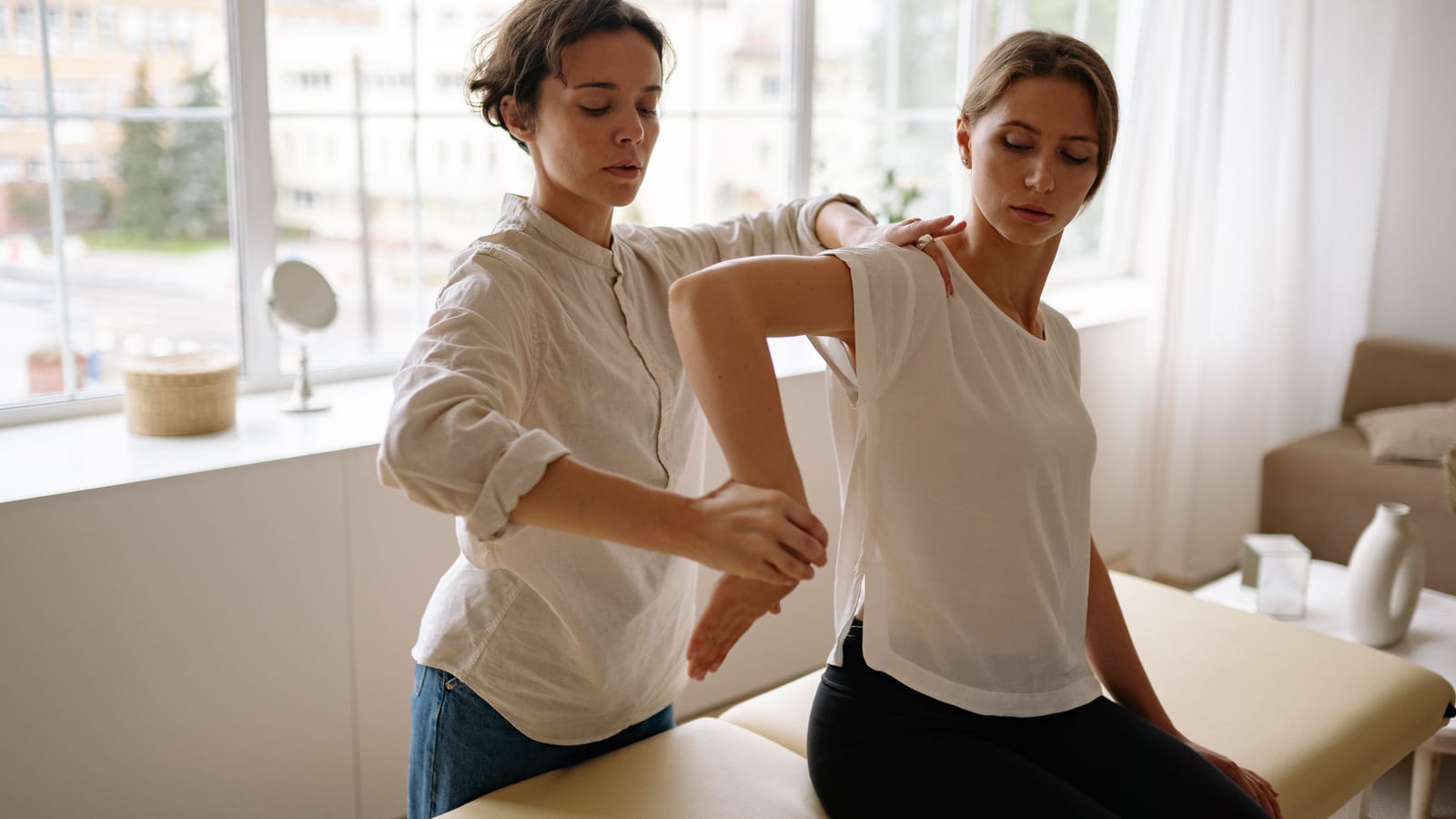
Pick the version of exercise you can do on your worst week, not your best one. Ten minutes. Twice. That's the whole starting prescription, and if it sounds insultingly small for a grown adult with a job and a mortgage, good. Small is the point. Chronic pain punishes ambition, and almost everybody who's still stuck at month eighteen got there by doing four great days and then nothing for three weeks.
Pain that's outlasted the tissue that caused it plays by different rules. A torn hamstring hurts because it's torn. A back that's been barking since your second kid was born often hurts because the alarm system got sensitive and stayed that way. The nerves, the spinal cord and the brain all turn up the gain. That's not a way of saying it's imaginary. Sensitized pain hurts exactly as much as fresh injury pain. It just doesn't respond to rest, and it doesn't show up neatly on a scan.
Which is why the same MRI keeps getting ordered, and the same pill keeps getting refilled, and the pain keeps doing what it was doing.
Hurt and harm aren't the same signal
This is the single most useful idea in the whole field, and it's free. When a knee has been sore for two years, the ache you feel walking to the mailbox isn't a report on tissue damage. It's an alarm with a hair trigger.
Understanding that changes behavior, which is where the benefit comes from. Once you stop reading every twinge as proof you broke something, you move more. Moving more keeps you stronger, and it makes the alarm less jumpy over time.
Ask your doctor or a physical therapist for the plain-English version of what's actually going on in the joint or the disc. Most imaging findings in people over 40 are ordinary. Bulging discs, gray cartilage, a little arthritis. Plenty of people walk around with all three and no pain at all. Knowing that a word on a report isn't a sentence takes a surprising amount of weight off.
Find your baseline, then stop being a hero
Boom-bust is the pattern that eats years. Saturday feels decent, so you power-wash the driveway and clean the garage. Sunday you can't stand up straight. Tuesday you're back to nothing.
Pacing kills that cycle. Find the amount of activity you could repeat tomorrow and the day after without a flare, then do slightly less than that on purpose, every day, including the days you feel great. If twenty minutes of yard work is the edge, do fifteen. If you can walk half a mile before the ache spikes, walk a third of a mile.
Then add a little. Ten percent-ish a week, judged by how you feel two days later rather than that evening.
The annoying part nobody mentions: this feels like losing. You're deliberately stopping while you still have gas in the tank, which every instinct you have says is quitting. It isn't. It's the only way to build a floor you don't fall through.
Strength is treatment, not a bonus
Exercise has the strongest and most consistent support of anything in the non-drug column for persistent musculoskeletal pain. Guidelines for low back pain from major bodies, including the American College of Physicians, put non-drug approaches first, with exercise and physical therapy leading. Knee osteoarthritis is the same story. Strength work beats waiting.
The type matters less than the fact that you do it. Bands, dumbbells, machines at the gym, bodyweight in the living room at 6 a.m. while the coffee brews. Two sessions a week is a real dose. Three is better if the week allows, and most weeks won't.
Two cautions that matter more than the program design. First, expect a settling-in period where things feel a little worse before they feel better. That's normal and it isn't damage. Second, if you've got something that a professional needs to look at, get it looked at before you load it. A physical therapist is the right person to build the on-ramp, and a few visits to learn the movements is usually enough to run it yourself after that.
Sleep turns the volume knob
Bad sleep makes pain worse the next day. Pain makes sleep worse the same night. That loop is as reliable as gravity, and it's the one working parents lose first.
You don't need a perfect routine. You need a consistent wake time, a dark room, and a hard rule about the phone in bed. If you're lying awake more than half an hour most nights for months, that's insomnia as its own condition, and it responds to structured behavioral treatment far better than to another sedative. Ask your doctor about it by name rather than asking for something to help you sleep.
Alcohol deserves a mention here because it's the most common self-prescribed painkiller in America and it's a fraud. It knocks you out and then fragments the back half of the night, which is exactly the part you need.
The psychology part, without the eye-roll
When somebody suggests counseling for pain, the natural read is that they think you're making it up. That's not what's being offered.
Cognitive behavioral therapy and acceptance-based approaches for chronic pain are skills training. They teach you how to stop the catastrophe spiral at the first twinge, how to keep doing the things that matter while it hurts, and how to stop organizing your whole week around avoiding a flare. Mindfulness-based programs are in the same family. None of them promise to erase the pain. They reliably improve function and mood, and function is what you actually want back.
Pain and low mood run together, and treating the mood side often turns down the pain side. That's not weakness. It's plumbing.
Things worth trying and things that disappoint
Modest but real, low risk, cheap enough to test for a month:
- Heat. A heating pad before activity, not after. Works better than most people expect for stiff backs and necks.
- Topical anti-inflammatory gel. Diclofenac gel is available over the counter in the US and is a reasonable first stop for hands and knees, with far less systemic exposure than pills. Check with your pharmacist about interactions.
- Walking. Unglamorous, repeatable, and it doubles as the only twenty minutes of quiet you get.
- Tai chi and gentle yoga. Both have decent support for widespread pain and stiffness, and they train balance at the same time.
- Massage or manual therapy. Good short-term relief. Best used as a window to move in, not as the treatment itself.
The things that tend to disappoint over the long run: bed rest, repeat imaging without new symptoms, injection after injection with no plan attached, and opioids past the acute phase. Long-term opioid therapy for chronic non-cancer pain has a poor track record on function and a real risk profile, which is why guidance has shifted away from it. If you're already on them, that's a conversation to have with your prescriber and not a bottle to stop cold.
What to say at the next appointment
Walk in with a function goal instead of a number. "I want to carry my daughter up the stairs" gets you a plan. "It's a seven" gets you a prescription.
Then ask for three things: a referral to physical therapy, a straight answer on whether anything structural needs attention, and a look at your sleep. If pain has been running your life for more than a few months, a multidisciplinary pain clinic is a legitimate ask, not a last resort.
And get checked promptly, not eventually, if you've got new weakness, numbness in the saddle area, loss of bladder or bowel control, unexplained weight loss, fever, night pain that wakes you, or a history of cancer. Those are doctor-today symptoms, not do-your-exercises symptoms.
None of this is advice about your specific back. It's the map of what the evidence favors so you can walk in and ask better questions.
The win looks smaller than you want it to. You won't wake up at zero. You'll notice, around week seven, that you took the stairs without thinking about it first.
Cal Brennan
Fitness
Strength coach. Trains fathers, tradesmen and desk workers, which means programs that survive a bad week.

Watch
Watch how it's done
Picked for this article.
From channels we rate. Plays on YouTube.
Manchester University NHS Foundation Trust
Pacing Pain Management
Therapy in a Nutshell
How Chronic Pain Gets Stuck
Read next