

Five pliers you'll actually use, and the set you won't
A 20-piece set is a drawer of one pair you use and nineteen you move out of the way. Buy these five and spend where it counts.
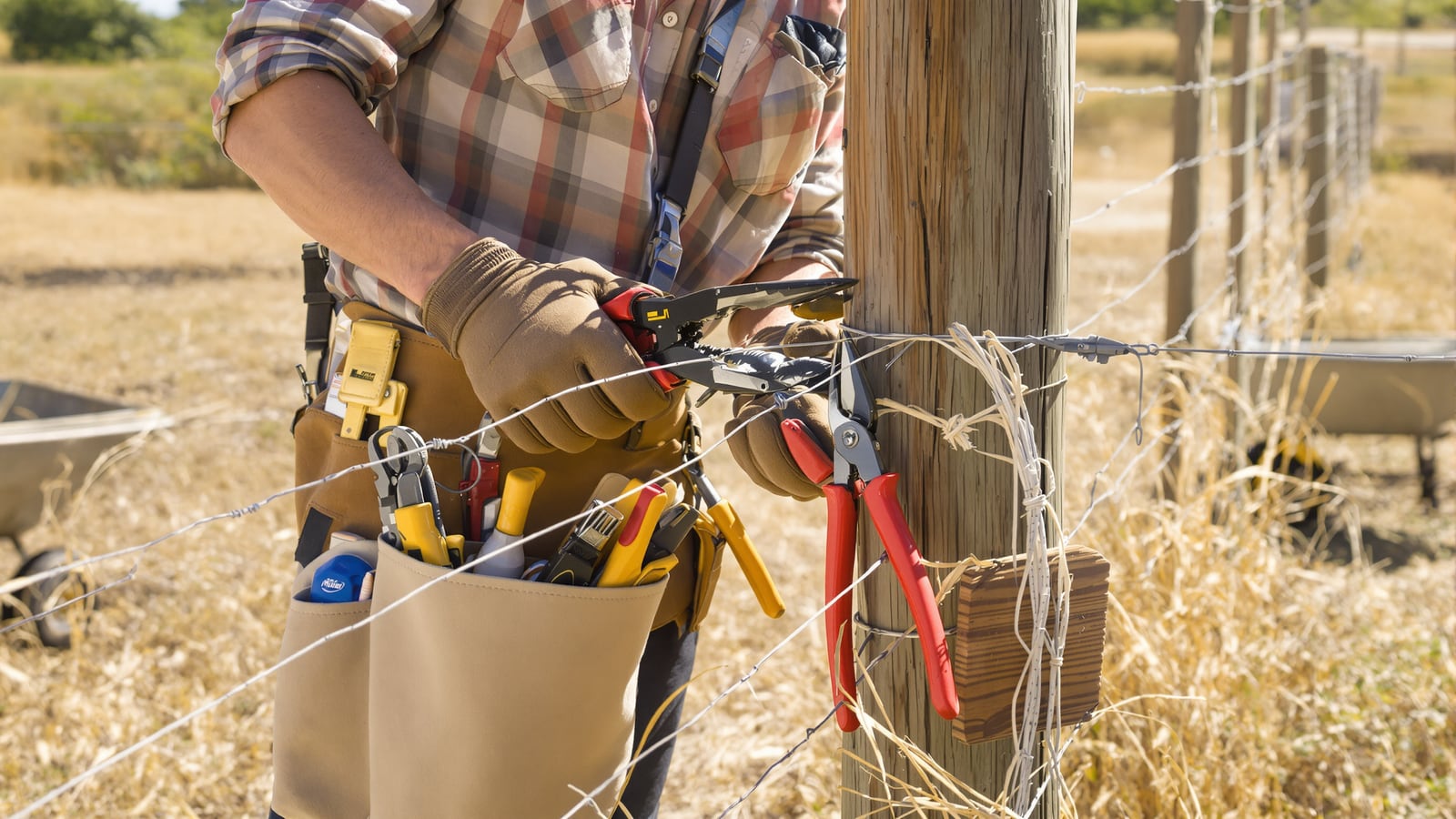
Quick answer: Five pliers cover nearly every job around a house, a truck and a garage: 10-inch tongue-and-groove, 9-inch lineman's, 6-inch needle-nose, diagonal cutters and 10-inch locking pliers. Spend real money on the first two. Buy the other three cheap, and don't feel bad about it.
What's wrong with the set
Look in any drawer that holds a 20-piece plier set and you'll find the same thing. Two pairs are worn shiny. The rest still have the factory finish on them.
The count is the sales pitch. Twenty is a bigger number than five, and the box says "everything you'll ever need." But the extras are mostly duplicates in slightly different sizes, plus a few specialty shapes you'll use once a decade. The pairs you do reach for, the ones that grip and cut, are usually the weakest steel in the box. The maker put the budget into the count.
A set is fine in one case. You're stocking a first apartment on a tight budget and need something that grips, something that cuts and something that bends wire by Saturday. Buy it, use the three pairs that matter, and replace those with real ones when they fail you. Just know what you're buying.
Spend here: tongue-and-groove pliers
These are the ones with the long handles and the jaw that slides along a row of teeth to open wider. Plumbers call them water pump pliers. Channellock made the style famous, and the 9.5-inch size is the one most people end up owning. Knipex's Cobra, in 10 inches, is the premium version, and its push-button adjustment is faster to use.
Here's the cost of the cheap version. The jaws don't hold their parallel. You clamp a nut or a pipe fitting, put your weight into it, and the jaws creep apart a hair. That hair is how you round off a fitting. Now a ten-minute job needs a different tool, a trip to the store, and a fitting you've damaged and may have to replace.
Check the pivot before you buy. Open and close them. If the joint feels gritty or the handles wobble sideways, put them back.
Spend here too: lineman's pliers
Flat, square jaws. A cutting edge tucked behind the gripping teeth. Electricians use them all day, and so does anyone pulling staples, twisting wire, bending sheet metal or snipping a rusted bolt end.
Klein Tools' 9-inch is the standard answer, and it's the standard for good reason. The steel is hardened where the cutting happens, and the handles are shaped for hours of squeezing. A cheap pair will nick the first time it meets a piece of hard wire, and a nicked cutting edge never cuts clean again.
One warning. Insulated handles aren't a safety device unless the tool is rated for it and you haven't chipped the coating. Don't work on live wiring with pliers because the handles are rubber. Turn the power off at the panel.
Buy cheap: needle-nose
A 6-inch pair with a cutter at the base. You'll use them for fishing a dropped screw out of a gap, holding a cotter pin, straightening a bent tab, pulling a fishhook.
The tips are thin, so the steel isn't doing heavy work. You'll also bend them, lose them in a tackle box or lend them to a neighbor who gives them back in worse shape. Cheap is right here. Buy a decent pair for a few dollars, not the premium one, and replace it when the tips stop meeting.
Buy cheap, but check it: diagonal cutters
Diagonal cutters, "dikes" if you want to sound like you've done this before, are for zip ties, small wire and cotter pins. If you do electronics work or cut fine wire for a living, spend more. For everything else, a budget pair is fine.
Do one test in the store. Close the jaws and hold them up to the light. If you can see daylight between the cutting edges, they'll chew what they cut instead of slicing it. Pick another pair off the rack.
Buy cheap, buy two: locking pliers
The curved-jaw, 10-inch kind. Vise-Grip invented the category and still makes the one most people buy, and it isn't expensive. That's the point. These clamp onto a rounded bolt head, hold a piece while you drill, pinch a hose shut, and serve as a third hand when you need one.
Buy two. One lives in the toolbox. The other lives behind the seat of the truck or in the boat, where it'll be there on the day it counts. See the truck kit that handles almost every roadside problem for what else belongs back there.
The adjusting screw at the back sets how hard the jaws bite. Turn it until you need real force to close them. If they snap shut easily, they won't hold.
What the cheap ones really cost
Not much, if you choose where. The mistake is spending evenly across the whole drawer.
The expensive pair earns its price on the two jobs where failure damages something else: a rounded nut, a ruined fitting, a stripped wire. The cheap pair is right where the worst outcome is a bent tip and a replacement for the price of lunch.
That's the same logic as the cheap pry bar and the ladder you never cheap out on. Ask what breaks if the tool fails, and spend accordingly. And if a tool can be taken apart, oiled and kept for thirty years, it earns more of your money than one that's sealed and disposable, a point the buy-it-for-life piece makes better than most.
Keep them working
A drop of oil on each pivot twice a year. Wipe off the grit and the grease after a messy job. Hang them or lay them in a drawer where the jaws can't bang against steel.
Don't use the lineman's pliers as a hammer. Don't use the cutters on a hardened bolt. Don't put a pipe over the handles for leverage, because you'll bend them or snap the joint, and neither pair will ever feel right again.
And when a neighbor borrows a pair, which he will, ask for them back clean. When you borrow a pair, return them cleaner than they came, with a drop of oil on the joint. A man who does that gets asked to borrow tools again, and gets a better pair offered next time.
Five pliers, one drawer, nothing in it you have to move out of the way. That's a toolbox that does the work.
Wes Dunbar
Country & Skills
Grew up on an acreage and never quite left. Covers trucks, trades, land, and how to do the thing yourself.

Watch
Worth an hour of your evening
More from Gear.
From channels we rate. Plays on YouTube.
Read next