

Fish the Dock Before the Sun Does
A dock is a pile of bass cover you can walk out on. Here's how to work it quietly in the first hour of light, and what to do when the sun climbs.
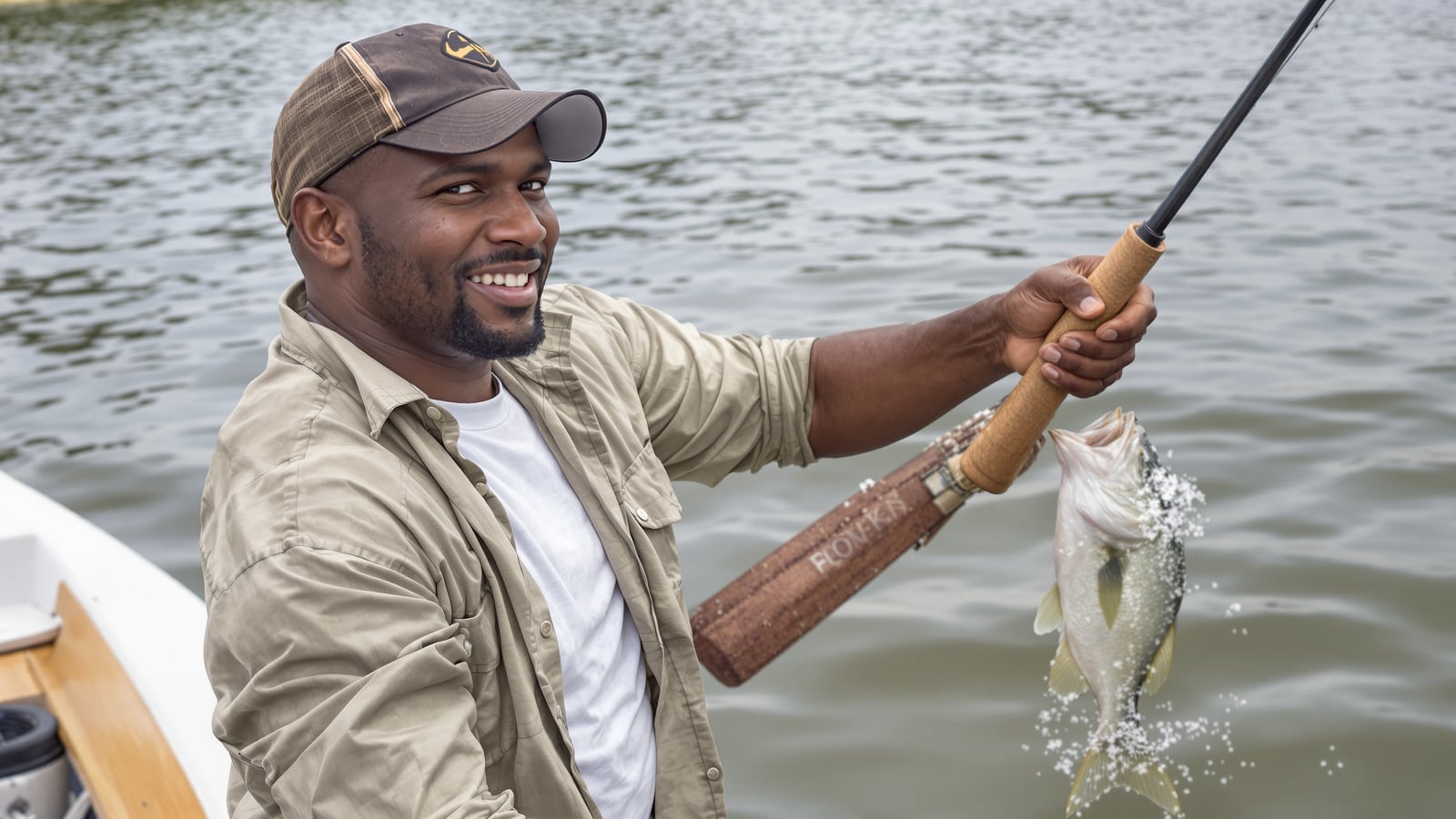
Quick answer: Be on the water by first light, walk out softly, and throw a topwater bait along the shade line and pilings for the first 30 to 45 minutes. When the sun gets on the water, switch to a soft plastic and skip it back under the dock where the fish retreat.
You pull into the lot at 5:40 with coffee going cold in the cupholder. The water is flat enough to show you the clouds. Somewhere under that dock, a largemouth has spent the night waiting for a bluegill to make a mistake.
Most people walk straight to the end of the dock, plant their feet and fire a long cast into open water. That's the one spot the fish are least likely to be.
You're standing on the structure
Think about what a dock is to a bass. It's shade, a roof, a wall of vertical posts, and an ambush lane, all in one. Baitfish and small bluegill hang in it because predators have a harder time seeing them. Bass hang in it because the food is there.
So the dock isn't a platform you fish from. It's the thing you're fishing.
That changes how you move. Boots on planks send a thump through the posts and into the water. Fish in shallow cover feel it. A heavy stride on a wooden dock can shut down a bite you never knew you had.
Walk slowly, set your tackle box down gently, and keep your shadow off the water. Start at the shore end and work outward. Every ten feet of dock is a different piece of water, and you've got all morning to fish it properly. Well, until about eight.
Read the dock before you cast
Stand still for a minute and look. You're hunting for the things that make one stretch better than the rest.
- The shade line. Early, the sun is low and the shadow stretches long. The edge of that shadow is where bass sit, dark side in, bright side out.
- Pilings. Every post is a hiding spot. Corner pilings and the ones at the deepest end usually hold the most.
- Cross-braces and ladders. Anything horizontal under the surface gives a fish a place to tuck against.
- Boat lifts and tied-up boats. More shade, more cover. Ask permission if it's private, and don't cast at somebody's hull.
- Depth change. A dock that runs from two feet to eight is a staircase. Bass slide up it to feed at dawn and back down as the light grows.
- Anything unnatural nearby. A brush pile, a stump, a patch of weeds along the end. Docks with a little extra cover beside them tend to be the good ones.
Look for bait too. A few bluegill flicking the surface or a school of minnows pinned against a post tells you the dock is alive.
The first half hour: topwater
In low light, bass feed up. They'll hit something that looks like a wounded baitfish on top, and a surface strike is the best part of the sport.
Throw a small walking bait, a popper, or a hollow-body frog if there's weed nearby. Keep your casts parallel to the dock, a few feet off the shade line, so the lure swims along the edge. Then try angling casts that land right beside a piling.
Pause longer than feels natural. The bass is often watching. Most missed strikes come from yanking the lure away or setting the hook the instant you see the splash. Let the rod load up, then lean into it.
A spinning rod around seven feet, medium power, with 10 to 15 pound braid does everything here. It casts light baits and has the backbone to turn a fish out of the posts.
Then the light climbs
Somewhere around the time the sun clears the trees, the topwater bite fades. The fish haven't left. They've moved back under the dock into the dark, and you have to follow them.
This is where most anglers quit and go home. It's also where the bigger bass are.
Switch to a soft plastic. A weightless stick worm rigged wacky style is hard to beat, or a small Texas-rigged worm with a light bullet weight. Learn to skip it: a low, sidearm cast that sends the bait skimming across the water like a flat stone and sliding under the dock edge, where an overhead cast would never go.
It takes practice and you'll hang up. Keep the rod tip low, snap your wrist, and let the bait travel. A fifteen-minute session in the yard with a practice weight and a laundry basket will save you a lot of lost lures.
Let the worm sink slowly. Most strikes come on the fall, so watch your line. If it jumps or moves sideways, reel down and set the hook.
Fighting a fish in a forest of posts
This is the part nobody warns you about. A bass that feels the hook heads for the nearest piling, wraps your line around it and wins.
Don't play fair. Use 12 to 17 pound fluorocarbon if you're skipping, tighten your drag a bit more than you would in open water, and keep the rod up and steady. Turn the fish's head before it makes its first run. If you give it a foot, it'll take three.
Lip the fish with your thumb once it's close. Don't swing it up onto the planks.
Keep it or let it go
Both are fine. Some mornings you'll want a couple for dinner, and some mornings you'll want to watch a four-pounder swim back down into the shade. A fish you're keeping should go straight on a stringer or into a cooler. A fish you're releasing should stay in the water as much as possible. Wet your hands, support its belly, and don't hold it up for a long photo session. How to Release a Fish So It Actually Lives covers it in detail.
Know your numbers before you cast. Size limits, slot limits and daily bag limits for bass vary by state, province and even by individual lake. So do license requirements, and some public docks have rules of their own. Check your state or provincial wildlife agency's current regulations, and read Size Limits, Slot Limits and the Rules That Keep Fish Coming if the terms are new to you.
Leave the dock better than you found it
If it's a private dock, ask first. A short note or a knock on the door goes a long way, and a handshake offer to share a fish or a photo gets you invited back.
Whether it's public or private, pick up your cut line and your wrappers, and grab any tangled mono you spot that isn't yours. Birds and turtles get caught in it. Rinse off the planks if you cleaned a fish there. Close the gate behind you.
And if you've got a kid who's still learning to cast, this is the perfect place to start. Take a Kid Bluegill Fishing and Be Home in Ninety Minutes is the easy first step, and the same dock will teach them to be quiet, read the water and wait.
By nine, the heat will be on your neck and the planks will be warm under your boots. That's fine. You already got the best hour of the day.
Wes Dunbar
Country & Skills
Grew up on an acreage and never quite left. Covers trucks, trades, land, and how to do the thing yourself.

Watch
Worth an hour of your evening
More from Fishing.
From channels we rate. Plays on YouTube.
Read next