

Render duck fat once and cook with it all winter
One duck gives you about a cup of the best cooking fat there is. Render it right, store it clean, and it flavors your cooking for months.
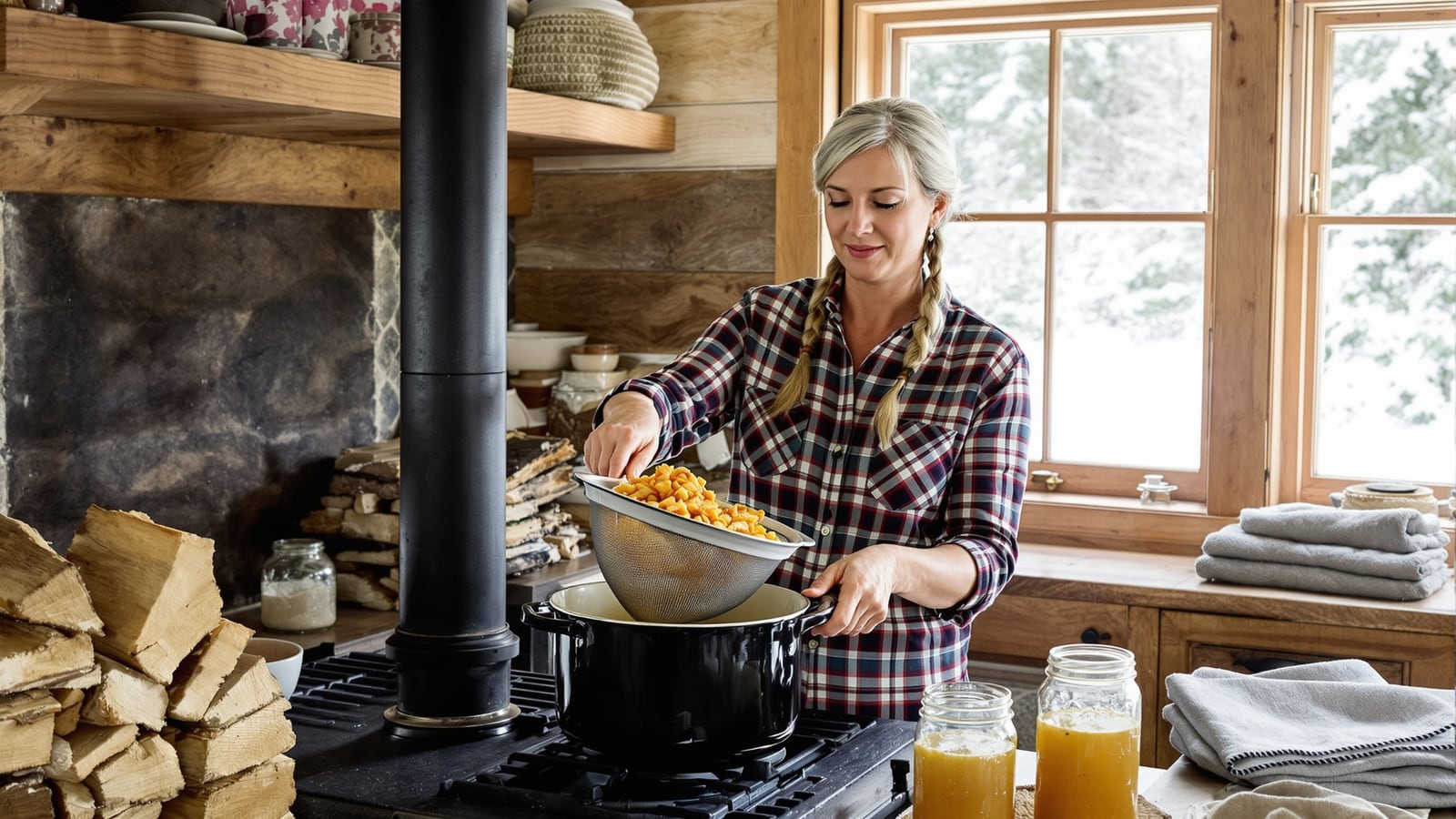
Quick answer: Cut the skin and fat into small pieces. Cook them low and slow in a heavy pot with a splash of water until the bubbling stops and the pieces turn golden. Strain through fine mesh into a clean glass jar and refrigerate it.
Every time you roast a duck, a pan of liquid gold collects under the bird. And every time, somebody pours it down the drain. Don't be that guy.
A whole Pekin duck, the standard grocery-store kind, usually gives you somewhere around a cup of fat once you count the drippings and the skin and fat you trim off. That's enough for months of potatoes, eggs and pan-seared everything. It costs you an hour of mostly standing around.
Get the fat before you get the technique
Start with the duck. Pull the big fat flaps from around the cavity opening and the loose skin at the neck before you roast. Freeze them in a bag if you're not rendering that day. Then roast the duck as usual and pour the drippings into a jar.
No duck on the menu? Ask a butcher for duck fat and skin trimmings. Plenty of shops pile them up and are glad to see them leave.
Render it low, and don't walk away
Dice the skin and fat small, about the size of a postage stamp or smaller. The more surface you expose, the faster the fat comes out. Put it all in a heavy pot with a quarter cup of water. Yes, water. It keeps the fat from scorching in the first few minutes while the skin starts to give up its grease.
Set the heat to low. You want a lazy simmer, not a fry. Stir every ten minutes or so.
For the first twenty minutes it looks like a mistake. Pale skin floats in cloudy liquid and nothing seems to be happening. Then the water cooks off, the bubbling quiets down and the pieces start turning gold. That takes an hour, sometimes closer to two.
You can also do this in the oven at 275°F in a Dutch oven, uncovered. It's slower, but it needs less watching. Either way, you're done when the bubbling nearly stops and the cracklings are the color of a good pretzel.
What goes wrong
Heat too high. This is the big one. Fat that browns too hard in the pot tastes bitter and looks dark in the jar, and no amount of straining fixes it. If you smell something toasty-burnt, turn it down. You're trying to melt the fat, not fry it.
Water left behind. Water is what spoils stored fat. If you pull the pot early, while it's still bubbling steadily, moisture is hiding in there. It'll spatter when you cook with it later, and the jar won't last. Wait for the bubbling to calm down. If you're unsure, give it ten more minutes.
Skipping the strain. Those little bits in the fat will go off long before the fat does. Line a fine mesh strainer with a coffee filter or a double layer of cheesecloth and pour slowly. If the first pass looks cloudy, strain it again. Patience here pays off in month five.
A dirty jar. Use glass, washed and dried completely. A damp jar defeats everything you just did.
The jelly at the bottom is a bonus
Once the jar chills in the fridge, you'll see two layers. The top is firm white fat. The bottom is a brown, wobbly jelly. That's concentrated duck juice, and people who know better treat it as a prize.
Scoop the fat off the top into a fresh jar. Scrape the jelly into a small container and stir it into a pan sauce, a pot of beans or a gravy. It's pure savory depth, free, and it's usually where the flavor that isn't fat is hiding.
Keep the cracklings too. Salt them while they're hot and eat them standing at the stove, or crumble them over a salad or into cornbread batter.
Storing it for six months
Refrigerated in a clean, tightly sealed jar, fat that's been rendered dry and strained well keeps for months. Freeze a second jar if you made a lot, and it'll go longer still. Always use a clean spoon. Double-dipping a spoon that's touched food is how a jar goes bad in March.
Trust your nose. Good duck fat smells mild and savory. If it smells sour, like old paint or crayons, throw it out and start again.
Cook with it, and use it up
The jar only earns its keep if you reach for it. A few places it pays off:
- Roast potatoes. Parboil them, drain, shake the pot to rough up the edges, then toss with a spoonful of fat per pound. Roast at 425°F on a preheated sheet. They come out glass-crisp outside and creamy within.
- Fried eggs. A teaspoon in a cast iron pan. Nothing else needed.
- Chicken thighs, skin-side down. Start in a cold pan with a little duck fat and let the heat build slowly.
- Cornbread. Melt a tablespoon in the skillet before you pour the batter in. If your pan is dull or crusty, your cast iron is probably not ruined, and this is a good excuse to season it properly.
- Greens, beans and cabbage. Where you'd use bacon grease, use this. It's gentler and cleaner.
Now the trade-off. Duck fat is for flavor and for moderate heat: roasting, pan-frying, sautéing. It isn't the tool for a smoking-hot steak sear, and it won't replace every oil in your kitchen. A jar of neutral oil still earns its shelf space.
If you're short on time, a store-bought tub of duck fat is fine. But it's a lot more expensive than what comes free with a bird you were going to cook anyway. If the budget matters at your house, it's a good habit alongside the rest of feeding a family well on a tight food budget.
Roasting a bird for Sunday dinner anyway? The Sunday roast that leaves your afternoon alone is a good time to save the drippings from whatever's in the oven, and a duck makes a fine centerpiece when you want to impress somebody.
The first jar feels like a project. The third feels like a pantry. By then you'll catch yourself looking sideways at anyone who throws out a roasting pan without checking what's in it.
Wes Dunbar
Country & Skills
Grew up on an acreage and never quite left. Covers trucks, trades, land, and how to do the thing yourself.

Watch
Worth an hour of your evening
More from Food.
From channels we rate. Plays on YouTube.
Read next