

Peas feed your soil, but only if you treat them right
Spring and fall peas can leave a bed richer than they found it. Most gardeners undo that the day they pull the vines out by the roots.
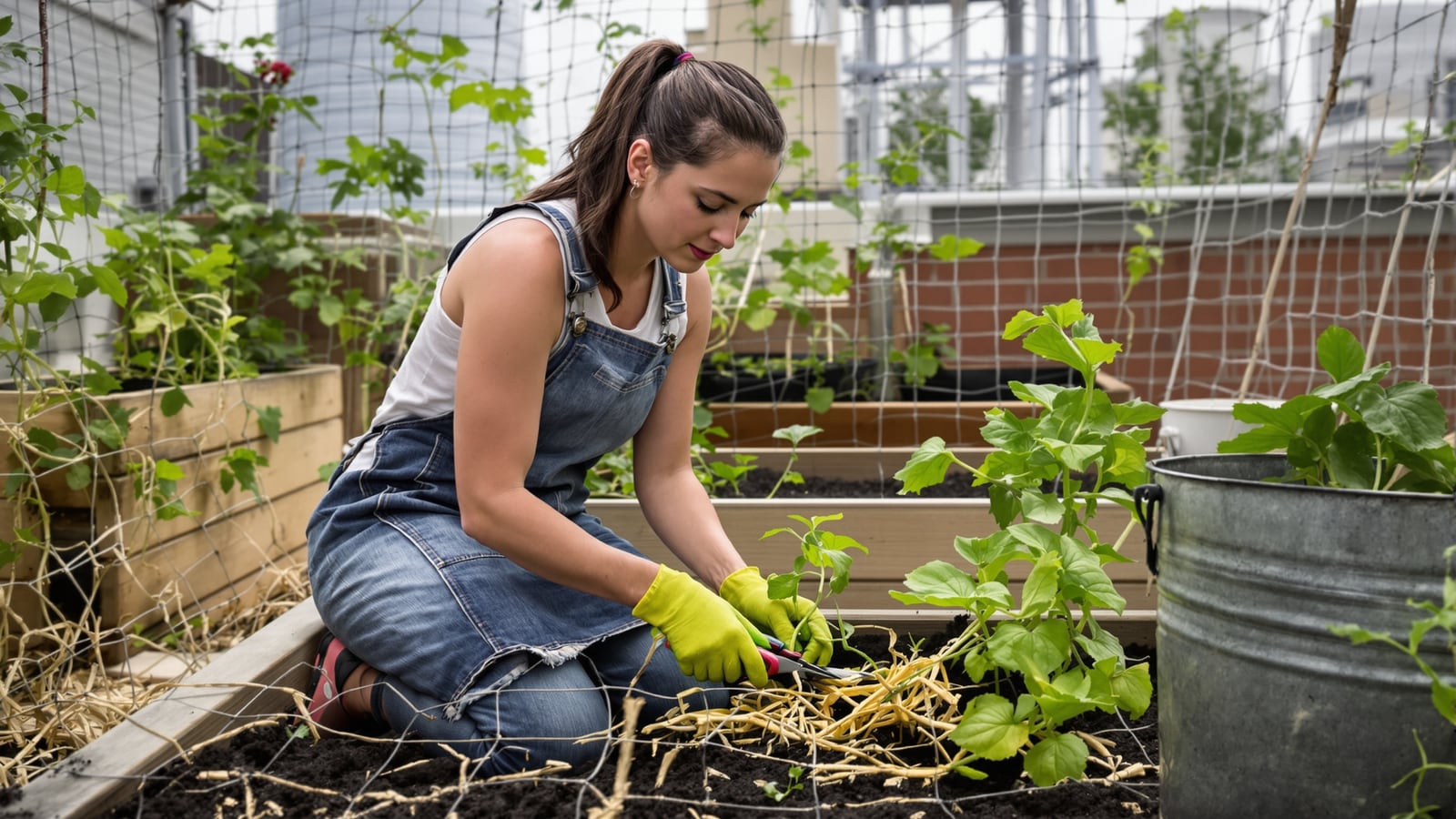
Quick answer: Sow peas as soon as the soil can be worked in spring, and again about ten weeks before your first fall frost. When the harvest ends, cut the vines at ground level and leave the roots in the bed. That's where the soil benefit lives.
Pull a pea plant out by the roots in June and you've thrown away the only part worth keeping.
Peas are legumes. Bacteria living in small nodules on their roots pull nitrogen out of the air and turn it into a form plants can use. Your next crop gets some of it. But you don't get that for free, and the gain is smaller than the garden magazines suggest. The plants burn a lot of that nitrogen making peas, and you carry the peas to the kitchen. What's left is in the roots, the nodules and the vines. Take those out too, and you've done the work for nothing.
Check that the bacteria showed up
Slice open a few nodules with your thumbnail. Pink or reddish inside means they're working. White, gray or green means they aren't.
If the bed has never grown peas, or hasn't in years, buy a packet of pea inoculant when you buy seed. It's usually a few dollars and it's a black powder you roll the seed in just before planting. Get the kind labeled for peas. Bean inoculant is a different strain and won't do the job.
In a bed that grew peas last year, the bacteria are probably still there. The inoculant is cheap insurance anyway.
Don't feed the plants nitrogen. A pea sitting in rich, fertilized soil has no reason to put effort into nodules, and you'll get lush vines with few pods. A soil test through your county extension office tells you what the bed actually needs. Peas want a pH between about 6.0 and 7.0 and usually a little phosphorus and potassium, not nitrogen.
Spring: early beats perfect
Peas germinate in soil as cool as 40°F, and they shrug off light frost. They hate heat. Once daytime highs sit in the upper 70s to 80s, flowering slows and the plants wind down.
So the rule is early. In most of the country that means four to six weeks before your last frost, the first week the ground isn't frozen or a swamp. In the South, Zones 8 through 10, spring peas go in during late winter, and your window can close by May. In Zones 3 to 5, you may be sowing in April with snow on the north side of the fence. Your zone sets the calendar, so check yours first. This breakdown of hardiness zones will tell you what you're working with.
Spring goes wrong in a few predictable ways:
- Seed rots in cold, soggy soil. If a handful squeezes into a wet clump, wait three days. Raised beds drain faster, and a 4x8 raised bed is a good place to start peas a week earlier.
- Mice and birds eat the seed. Cover the row with a strip of row cover or hardware cloth until sprouts are an inch tall.
- Vines flop. Even "bush" peas do better with something to hold. Sugar Snap climbs five or six feet and wants a real trellis. Little Marvel stays shorter but still leans on a few stakes and some twine.
- Pods go starchy. Pick every day or two once they start. A pea left on the vine is a pea the plant stops replacing.
Plant seed an inch to two inches deep, a couple of inches apart, in a double row on either side of the trellis. Expect most varieties to run 55 to 70 days to harvest, so check the packet.
Fall: harder, and often better
Fall peas are the gamble, but the odds are good if you count backward. Take your average first fall frost date. Subtract the days to maturity on the packet, then add about ten days, because shortening days slow everything down. That's your sowing date. For most of the North it lands in July or early August.
That means sowing into hot ground. Three things help:
- Soak the seed overnight before planting.
- Plant it deeper, closer to two inches, where the soil stays cooler.
- Water the row daily until sprouts show, and shade it with cloth or a board laid over the row for the first few days.
Pick a variety that tolerates warmth. Wando is the old standby for heat. A dwarf snap pea matures faster than a tall one, which helps when the calendar is working against you.
Fall has its own trouble. Powdery mildew shows up on the leaves as the nights get cool and damp. Space the plants, water at the base and not the leaves, and don't panic. A little mildew late in the season won't stop the harvest. In Zones 8 to 10, fall peas are often the better crop of the two, because spring heat arrives so fast.
One more practical limit: don't plant peas in the same spot every season. Soil diseases build up, and a three-year gap between pea crops in the same bed is sensible. Spring peas followed by fall peas in the same bed in one year is fine. Just move them the next year.
The cleanup move that does the work
When production drops, don't yank anything. Cut the plants off at the soil line with garden snips. Leave the roots and nodules where they are. Chop the tops into short pieces and lay them on the bed as mulch, or drop them into the compost pile if the vines are diseased.
Then plant something hungry in that spot. Leafy greens, broccoli, cabbage, corn and squash all use the nitrogen. After spring peas, you've got time for a summer crop. After fall peas, the bed rests through winter and is ready by spring. Fall peas that get a hard freeze can simply be cut down in place in November.
Don't expect miracles. The peas won't replace a soil test or a few inches of compost. What they do is give you a food crop, a root system that loosens the soil, and a modest nitrogen credit for whatever follows, all from a packet of seed that costs less than lunch.
Do it right and you've harvested a meal and left the bed in better shape than you found it. That's the old rule, and it works in the garden too.
Wes Dunbar
Country & Skills
Grew up on an acreage and never quite left. Covers trucks, trades, land, and how to do the thing yourself.

Watch
Worth an hour of your evening
More from Garden & Yard.
From channels we rate. Plays on YouTube.
Read next