

The sentence before the quote and the one after it
A clipped quote can be accurate and still mislead. Here's a five-minute method for finding what got cut, and what to do when the full version doesn't help.
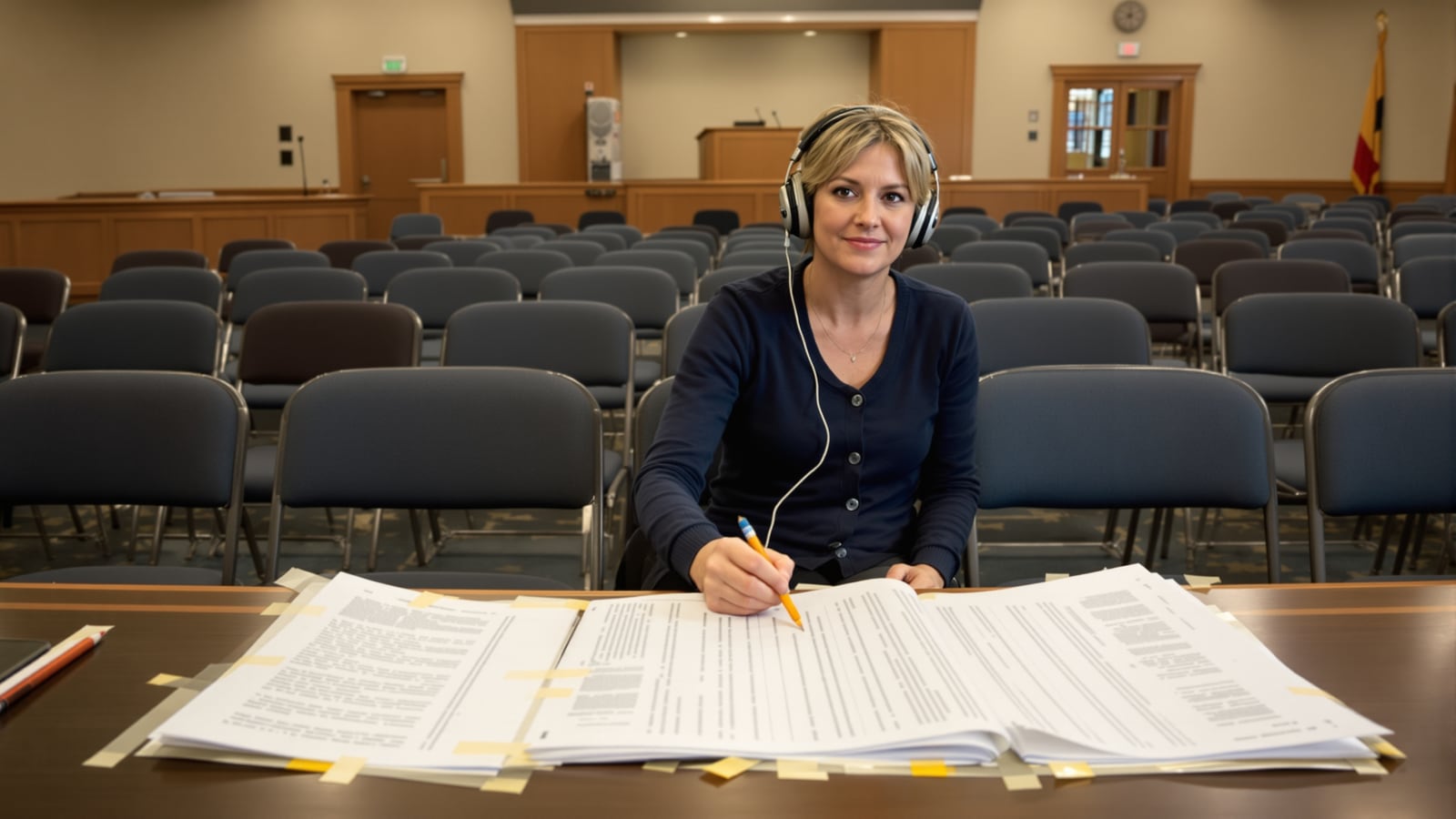
Quick answer: Find the original transcript or video. Read two paragraphs before the quote and two after. Then ask whether the missing words changed the meaning or only softened it. Those are different findings, and most people only ever report the first.
The quote can be real and still lie
A fake quote is easy to catch. Somebody says "I never said that," and a search settles it. The harder problem is the real quote, word for word, lifted out of a speech where it meant something else.
Three famous cases show how it works, and they come from both directions.
In July 2012, in Roanoke, Virginia, President Obama said: "If you've got a business, you didn't build that. Somebody else made that happen." The Romney campaign built an ad around it. Read the minutes before, though, and he was talking about roads, bridges and the system that lets a business operate: "Somebody invested in roads and bridges." The sentence is clumsy, and the "that" is genuinely ambiguous out loud. But the ad's reading, that he was telling business owners they hadn't built their own businesses, takes the words out of the setting that gives them a more plausible meaning.
In September 2016, Hillary Clinton said at a fundraiser that you could put "half of Trump's supporters into what I call the basket of deplorables." That clip ran everywhere. What usually got left out was the next part. She described a second basket of people who felt the government and the economy had let them down, and said they deserved empathy. So the clip dropped half of what she said.
But the missing context doesn't rescue the first half. She said "half." She said it about voters. She later said she regretted saying "half." The full version is fairer to her, and it's still a bad line.
In August 2017, after Charlottesville, President Trump said there were "very fine people on both sides." Critics ran that line alone. In the same press conference he also said, "I'm not talking about the neo-Nazis and white nationalists, because they should be condemned totally." Defenders ran that line alone. Both clips are real. What actually settles the argument is reading the whole exchange and deciding who he meant by "both sides," and people who've read the whole thing still disagree about it. That's fine. At least they're arguing about the same words.
Three speakers, three directions, one move. Take a real sentence and remove its neighbors.
The tells inside the story itself
You can often smell a clipped quote before you go looking.
- The quote starts mid-thought. Lowercase first letter, or "...and that's why." The speaker didn't start there. The editor did.
- Ellipses. Sometimes they cover a harmless "um." Sometimes they cover the part that changes everything. You don't know which until you look.
- One-word quotes. A headline built on a single quoted word, like "deplorable" or "slammed" or "admits," is a fragment doing the work of a sentence.
- A paraphrase bridge. "Smith said the plan was a failure." Did he say that, or did he say it's failed in one county, in one year, if nothing changes? Paraphrase is where the strongest claims hide.
- No source link. A story quoting a speech that doesn't link to the video or transcript is asking for trust it hasn't earned.
- A suspiciously tidy line. People ramble. A perfectly formed zinger deserves a second look. It might be real. Public speakers write zingers on purpose.
- A quote with no question attached. Interview answers depend on what was asked. "Would you ever raise taxes?" and "Would you rule out raising taxes?" produce very different "quotes."
The five-minute check
You don't need special tools.
- Copy a distinctive phrase from the quote and search it in quotation marks, along with the speaker's name. Skip the headline and look for the longest version.
- Go to the primary source. Official transcripts, C-SPAN, the speaker's own channel, the full podcast. Not another outlet's summary, because summaries copy each other's mistakes.
- Find the quote and read around it. Two paragraphs back and two forward is usually enough. If it's video, scrub back a full minute.
- Ask four things. Was it a joke? Was it a hypothetical? Was the speaker quoting someone else, to disagree with them? What question was he answering?
- Check the date and the place. An old quote recirculated as new is the cheapest trick in the business, and it needs no editing at all.
A good editor runs a version of this before a story ships. The four questions an editor asks before a story runs covers the rest of that checklist.
"Out of context" is also a dodge
Learn this one, because it cuts both ways. Politicians and public figures of every stripe have discovered that "that was taken out of context" is a free exit. Sometimes it's true. Obama's case is a good example. Often it just means "I'd rather you hadn't heard that."
The test is simple. Put the full passage next to the clip and ask: does the extra material reverse the meaning, soften it, or leave it standing?
- Reverses it: the clip is misleading, and the outlet or the campaign that ran it owes a correction.
- Softens it: the clip was unfair, but the speaker still said what he said. Hold both facts.
- Leaves it standing: "out of context" was spin. The context was fine for the speaker and he just doesn't like it.
Most people only run this test on the other team. Conservatives have been on the receiving end of chopped clips for a long time, and that's a fair complaint. It's also no license to share chopped clips of the other side. A quote that makes your opponent look like a fool is the one to check hardest, because you want it to be true.
What a fair outlet does
You can learn a lot from how a story treats a quote.
A careful one runs the longer passage when the meaning is delicate. It says when words were cut. It links the full video. And when it gets one wrong, it fixes it where readers will see it. How to Tell Which Outlets Actually Own Their Mistakes goes into what a real correction looks like and what a quiet edit looks like.
A sloppy or slanted one does the opposite. It leads with the fragment, buries the rest, and leaves out the link. It builds the headline on a verb like "blasts" or "rips" that the speaker never used.
The same rule applies to quotes from people whose names you can't see. If a story rests on an unnamed source's words, you've lost your ability to check the context at all. When an Anonymous Source Is Worth Believing, and When It Isn't covers how to weigh those.
A habit worth building
Next time a quote makes your pulse jump, pause before you share it. Spend the five minutes. Most of the time the full passage says what you thought it said, and you've lost nothing. Sometimes it says something different, and you've just saved yourself from handing your friends a bad clip with your name on it.
Anyone can quote a sentence. The skill is knowing what was said right before and right after it.
Marcus Vale
Editor-in-Chief
Twenty years in magazines, most of it deciding what to cut. Writes about work, discipline and the decisions that compound.

Watch
Worth an hour of your evening
More from Media Literacy.
From channels we rate. Plays on YouTube.
Read next