

Your sweater pills where it rubs, so fix the rub
Pilling isn't a verdict on price or brand. It's friction acting on loose fibers, and you can control most of it in the store, the wash and the closet.
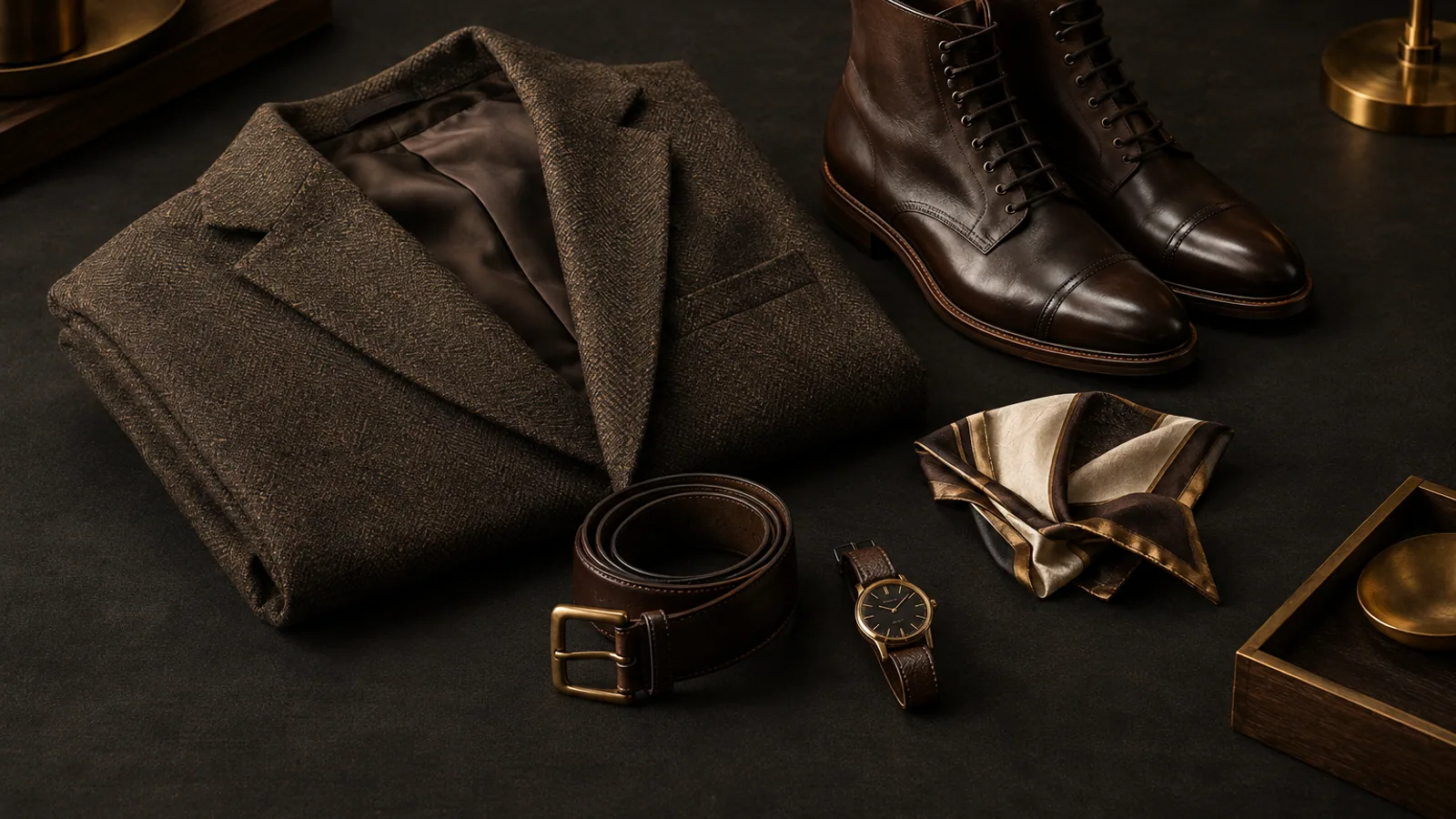
Quick answer: Pills are loose fibers rubbed into little balls. Wash inside out on cold, skip the dryer, and take pills off with a fabric shaver or sweater comb, never your fingers. When you buy, choose smooth, tightly spun yarn and a fit that doesn't rub.
Pull out the sweater you wore most last winter and look at where it's balled up. Under the arms. Down the sides where your elbows brush your ribs. Around the cuffs. The back, between the shoulder blades, is probably clean.
That map is the whole diagnosis. Pilling happens where fabric rubs against something, and it's mostly a fit and habit problem before it's a quality problem.
What a pill actually is
Every yarn is made of short fibers twisted together. Some ends poke out. Rub the surface enough and those ends tangle with each other and roll into a ball.
On cotton and wool, the fibers are weak enough that the balls eventually break off and drop away. You see a little fuzz in the lint trap and move on.
Polyester and acrylic are different. Those fibers are strong, so the ball stays anchored to the fabric. That's why a cheap fleece or an acrylic-blend sweater looks like it's covered in lentils after five wears, and why the pills on a good wool sweater come and go.
Yarn matters too. Short fibers have more ends to poke out. Loosely twisted yarn lets them. Long fibers, spun tight, hold themselves in.
Fit decides where it happens
A sweater that's too tight at the underarm rubs with every arm swing. A sweater that's too loose slides around under a jacket and gets worked over by the lining. Same garment, same fabric, two different kinds of damage.
Run through the checks that tell you a garment actually fits before you blame the fabric. If you can't lift your arms without the body of the sweater riding up, it's going to pill at the armpit no matter what it cost.
Then think about what else rubs it:
- Backpack and bag straps. They sand the shoulder of whatever's underneath. A range bag or a laptop bag does the same. Wear a tougher layer there, or switch shoulders.
- Seatbelts. The same diagonal stripe, every commute.
- Work belts and tool pouches. They polish the hip of a knit shirt.
- Sweatpants and joggers. The inner thigh is the usual casualty.
You can't remove all friction. You can notice which sweater always gets the backpack and put the one you care about somewhere else.
Break-in pilling isn't failure
A brand-new sweater often fuzzes a little in the first few wears. That's loose fiber left over from spinning working its way out. Take it off once with a comb or shaver and in most cases it settles down.
If it keeps balling up after that, in a steady stream, the yarn is the problem. You'll want to know that before you buy the next one.
Wash it so it doesn't sand itself
A washing machine is a rubbing machine with soap in it. Cut the friction down.
- Turn knits inside out. The outside surface takes the rubbing instead of the face of the fabric.
- Wash cold and on gentle. Less agitation, less fiber movement.
- Use a mesh bag for sweaters. Otherwise they get scrubbed against jeans, zippers and Velcro. Fasten the zippers and Velcro on everything else, too.
- Don't wash a sweater with towels. Terry cloth is rough and shedding. Same for loading a fleece in with your work jeans.
- Wash it less. A wool sweater you wore over a shirt for four hours needs airing, not a wash. Hang it up overnight and move on.
And stay away from the dryer. Tumbling is the worst friction of all, and the lint in the trap is your sweater, in pieces. I made the full case in the dryer is why your clothes wear out early. For a sweater, lay it flat on a towel and let it dry on its own.
Take the pills off the right way
Don't pick them with your fingers. Pulling a pill drags the anchoring fibers out of the knit, which loosens the surface and makes the next round worse.
Three tools work:
- A battery fabric shaver. The best tool for most people. Lay the garment flat on a table, stretch it gently with one hand, and make light passes. Don't press. Don't linger on thin knits, because it will cut a hole if you hold it in one spot.
- A sweater comb or pumice-type stone. Better on wool and cashmere, where you want a gentler touch. Short, light strokes in one direction.
- A small pair of scissors. For a handful of stubborn pills on a good sweater. Slow, but it can't go wrong.
A new disposable razor, drawn lightly across a flat, sturdy cotton sweatshirt, also works. I'd skip it on fine knits. One slip and you've bought a new sweater.
One more habit worth stealing: before you hand a sweater down to your younger brother or the clothing drive, take it off properly. That's the leave-it-better rule applied to a pullover.
Check it in the store
You don't need a lab. You need your thumb and thirty seconds.
- Rub a patch of sleeve with your thumb for about fifteen seconds. If fuzz starts to lift, it'll do it faster at home.
- Hold it up to a window. A visible halo of fuzz around the surface means a loose, hairy yarn.
- Look at the stitch. Smooth and tightly twisted beats fluffy and woolly if you want it to stay clean. That fluffy look is exactly what the label calls "soft."
- Read the fiber content. Acrylic and cheap polyester fleece are the usual offenders. Plain cotton, wool, and long-fiber blends are less stubborn.
- Pick a flat knit or a tight weave. A plain cotton jersey or a fine-gauge merino pills less than a chunky, loose cable-knit.
Concede this: even good merino and cashmere pill. Softer fibers are shorter and finer, and that's the trade for the feel. A $200 sweater doesn't get a pass. It just fails more gracefully and responds better to a comb.
Know when to stop
Some fabrics aren't worth saving. If the whole front of a polyester fleece is matted and the surface has turned hard, a shaver won't bring it back. Use it for yard work and buy a better one.
Sort your closet by what you actually wear for presentation. A pilled sweater can't carry smart casual, a funeral or a first meeting with her parents. A pilled work sweater that's clean, shaved and fits is fine on a Saturday.
A fabric shaver costs less than a pair of socks and takes ten minutes. Do it once a season, and the sweater you already own can look like the day you bought it.
Dean Shaw
Gear & Garage
Reads the warranty, the parts list and the long-term owner reviews before anything else. Trucks, tools, watches, and the cheap version that costs more.

Watch
Worth an hour of your evening
More from Style.
From channels we rate. Plays on YouTube.
Read next