

Don't Set the Hook When the Water Explodes
The blowup is the easy part. What you do in the next second decides whether you're holding a bass or a bare lure.
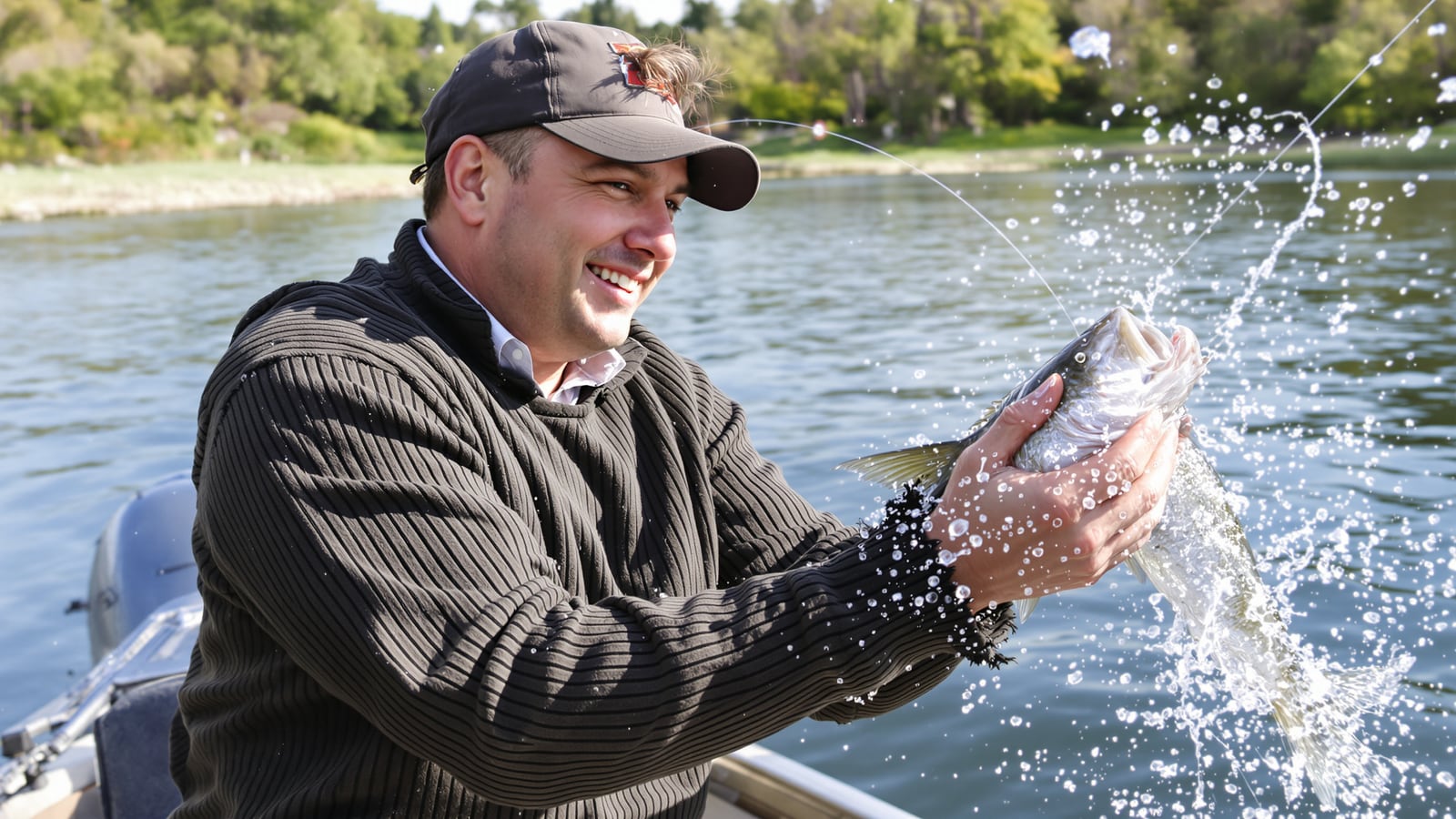
Quick answer: Fish topwater in the first half hour of light, over calm water, next to cover. When a fish hits, don't yank. Keep reeling until the rod loads up, then sweep it low and to the side.
It's 5:40 on a June morning and the lake looks like poured glass. You've made maybe a dozen casts with a walking bait when the surface behind it goes off like somebody dropped a cinder block. Your heart climbs into your throat. Your arms do what arms do. You rip the rod back, and the lure comes sailing past your ear.
Almost everybody does this the first fifty times. It's the whole reason topwater has a reputation for being "all show, no fish."
Why the miss happens
You see the strike before the fish has the lure. Your eyes tell your hands it's time, but the bass is still closing its mouth around a bait that's moving. Pull on the sight and you pull the lure out of its face.
The fix is boring and works every time. Don't react to what you see. React to what you feel.
When the water blows up, keep reeling. Lower the rod tip toward the water. Wait until the line comes tight and the rod bends with real weight on the other end. Then sweep the rod to your side in one firm motion. Some guys say "fish on" out loud before they set. It sounds silly and it buys you the half second you need.
A hollow-body frog is the extreme case. Let the fish take it under the pad, count a beat, then set hard. Frogs don't forgive an early hook set.
Pick the water before the lure
Topwater works when the surface is calm or has a light ripple, the water's warm enough to wake the fish up, and there's something for them to ambush from. Late spring through early fall is the window on most waters. Largemouth bass are the obvious target. Smallmouth, pike and muskie will hit the surface too, and the bigger predators make the blowups bigger.
Cast to edges:
- Weed lines and the outside of lily pads
- Docks, pilings and laydown trees
- Points and shallow flats next to deeper water
- A bank the wind has been pushing baitfish against
Throw past the target and bring the lure through it. A bass holding tight to a stump won't chase a bait that lands on its head. It'll eat one that swims by.
The first-light window is short
Plan on thirty to forty minutes around sunrise. After that the sun climbs, the fish slide deeper or tuck under cover, and topwater turns into exercise. Look up the sunrise time the night before and be casting before it. Being on the water at first light means launching in the dark, so know your ramp and carry a headlamp.
Cloudy mornings stretch the window. A drizzle can stretch it further. Wind rough enough to chop the surface into whitecaps can shut it down, though a light breeze helps because it hides your boots on the bank.
Check your state or province before you go. Licenses, seasons and rules on fishing hours vary by water, and some lakes have their own restrictions on access and boat launches.
Three lures, three jobs
Walking bait. A cigar-shaped lure that swings side to side when you twitch the rod tip and let the line go slack between twitches. It's called walking the dog. The rhythm matters more than the speed: twitch, twitch, pause, and let it settle into a cadence. Fish often hit on the pause.
Popper. A lure with a scooped face that spits water when you snap the rod tip. Pop it, then wait until the rings fade completely. The pause is where the strike comes. People get impatient and keep popping. Don't.
Buzzbait. A wire bait with a spinning blade that churns the surface. Reel steady, just fast enough to keep it up on top. It covers water fast and pulls fish that won't commit to a slower presentation. Hook sets on buzzbaits tend to be the easiest of the three, because the fish usually hits it moving and hooks itself.
You don't need all three. If you only buy one, buy the walking bait. It teaches you the discipline the others require.
The gear that fits
For walking baits and buzzbaits, a 6'6" to 7' rod in medium-heavy with a moderate tip suits most anglers. A softer tip lets the fish load the rod before the hook sets and keeps you from tearing out of its mouth. Braided line in the 30 to 50 pound range is common because it doesn't stretch and it floats. Many anglers tie on a short length of fluorocarbon or monofilament as a leader. If you'd rather keep it simple, straight monofilament floats well and gives a little, which forgives an early hook set.
For poppers, a lighter spinning rod and 10 pound mono is plenty and more fun on smaller fish.
None of this has to be fancy. A decent combo and a handful of lures covers the whole thing.
When the fish misses
A bass can swat a topwater lure and miss entirely. The reflex is to rip the bait away and cast again. Don't.
Stop reeling. Let the lure sit for a few seconds, then twitch it once. Fish that missed often hit again within seconds, and the second strike is usually more committed. If it doesn't come back, tie on a weightless soft plastic stickbait and throw it to the same spot. A fish that wanted the topwater but couldn't connect often eats a slow-falling bait right there.
Treble hooks and the fish you let go
Topwater lures carry treble hooks, and trebles are hard on fish and hands alike. If you plan to release what you catch, pinch the barbs flat. You'll lose a few more fish. The ones you land will go back healthier and unhooking is faster. Keep needle-nose pliers within reach, wet your hands before you touch the fish, and keep it in the water as much as you can. How to Release a Fish So It Actually Lives covers it in detail.
Keeping a fish for the table is just as honest a choice, and it's legal when you follow the rules. Check size and slot limits before you kill anything. Size Limits, Slot Limits and the Rules That Keep Fish Coming explains how they work and why they exist.
Bring somebody
Getting up at four-thirty is easier with company. A kid will remember a surface strike for the rest of his life. A grown son will remember the quiet before it. If you've been meaning to make that trip, Take Your Grown Son Fishing Before You Run Out of Saturdays is the nudge.
The explosion is free. Everybody gets it. The next second, when you hold still and feel the weight come on, is the part you have to earn.
Wes Dunbar
Country & Skills
Grew up on an acreage and never quite left. Covers trucks, trades, land, and how to do the thing yourself.

Watch
Worth an hour of your evening
More from Fishing.
From channels we rate. Plays on YouTube.
Read next