

Buy two good bits and a bag of cheap ones
A stripped screw head and a bit that spins in the chuck look like the same problem. They aren't, and the fix for each costs less than lunch.
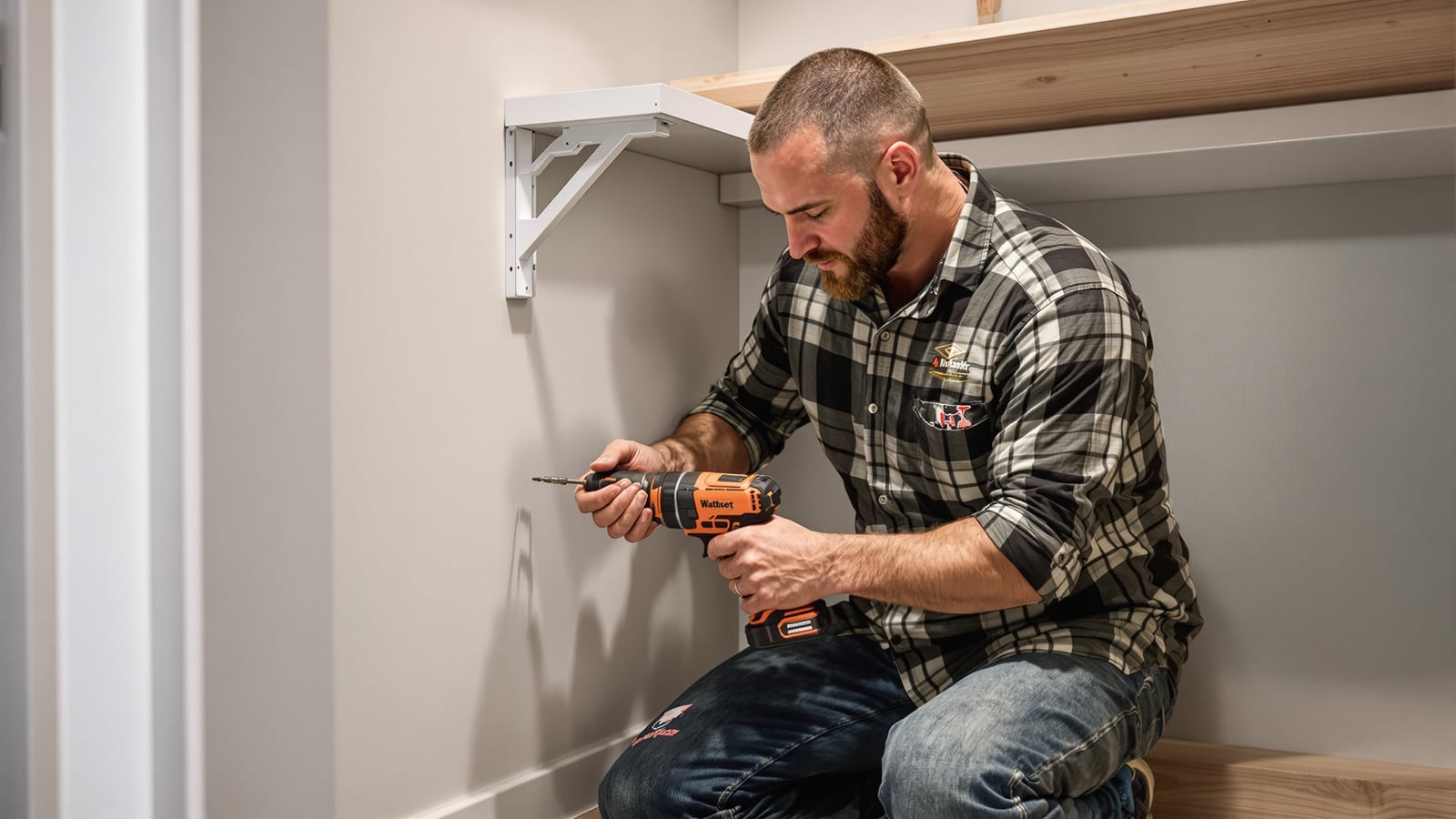
Quick answer: Buy two or three good bits in the sizes you actually use: #2 Phillips, T25 and square #2 cover most of it. Make them impact-rated if you own an impact driver. Keep a bag of cheap ones for drywall and throwaway jobs. Most stripped screws come from fit and pressure, not price, but a soft bit makes both worse.
Third deck screw of the afternoon. The bit starts to chatter, the drill whines, and the head of the screw turns into a shiny little crater. The screw is half in the board. The bit's tip is now rounded like a pencil eraser. You've got a stuck fastener and a Saturday that just got longer.
People call that a bad bit. Sometimes it is. But two different failures hide under that one complaint, and they have different causes.
When the bit lets go of the screw
This is cam-out. The bit climbs out of the recess and chews the head on the way.
Check the fit first. A Phillips #1 in a #2 screw wobbles. A Phillips bit in a Pozidriv screw wobbles too, and the two crosses look nearly identical until you set one in the other. A bit that fits sits deep and doesn't rock. If you can rattle it around in the head before you pull the trigger, stop and get the right one.
Then push. Lean your weight behind the drill so the bit stays seated, and run it slow until the screw bites. Set the clutch if your drill has one. Most stripped heads come from a fast drill and a light hand.
Then look at the tip. Hold it up to the light. If the wings are rounded or shiny, the bit is finished, and it will strip the next screw. A worn bit doesn't get better with encouragement.
Cheap bits tend to wear out sooner, which is the honest price difference. The steel is softer or the tip is cut less precisely. That doesn't mean a cheap bit is useless. It means you get fewer screws out of it.
When the bit spins in the chuck
This one's different. The bit isn't slipping in the screw. It's slipping in the drill.
A hex shank in a three-jaw chuck can find its seat badly. The jaws close on the corners instead of the flats and the bit walks. Open the chuck wide, seat the bit all the way, and tighten it by hand. Then give the chuck a second tightening at each of its three holes if it's a keyed one. Once the corners of a shank have been rounded off by slipping, that bit will slip again.
The better fix is a magnetic quick-release bit holder. It's a short 1/4-inch hex piece with a collar. You chuck the holder once, and every bit after that clicks into it. One good grip on the drill, and a ball detent on the bit. Bits swap in a second. You'll also stop dropping them in the grass.
One concession. If your drill is old and the chuck jaws are worn or the chuck wobbles, no bit will save you. Replace the drill or use the holder and accept it.
Don't put a regular bit in an impact driver
Impact drivers hammer as they turn. A bit made for hand drills is brittle at the shank. In an impact driver it can snap, and the piece that breaks off flies. Wear safety glasses either way.
Impact-rated bits are made to flex a little under that shock. Milwaukee sells a line called Shockwave, DeWalt sells Impact Ready, and Wera makes the Impaktor. Those are examples, not a ranking. Check the packaging for the words "impact" or "impact rated." If it doesn't say, treat it as a hand bit.
What a cheap bit really costs
The bit costs a dollar or two. The cost shows up elsewhere.
You strip a deck screw. Now you need an extractor, a rotary tool or a pair of locking pliers, and twenty minutes. You gouge the board getting to it. You might have to cut the board. The cheap bit saved you less than a cup of coffee and cost you a section of decking.
Cheap is the wrong choice where you can't back out of a mistake:
- Deck screws, lag screws and anything structural
- Visible finished work where a chewed head shows
- Hard or long fasteners that need real torque
When the cheap one is exactly right
Drywall. Hanging a picture. Assembling a bookshelf from a flat-pack box. Any job where the screws are soft, short and cheap, and the bit might end up in the insulation anyway.
A bag of cheap bits is also the right answer for the junk drawer, the truck, the boat and the lake house. You will lose bits. You'd rather lose a cheap one. The same logic runs through Buy the cheap pry bar. Never buy the cheap ladder.: spend where failure hurts, save where it doesn't.
What to buy
- The three sizes you use most. For most people that's #2 Phillips, T25 and square #2. Buy them in a 1-inch length for driving screws and a 2- or 3-inch length for reaching into tight spots.
- More than one of each. These are consumables. Buy a few and rotate them.
- Impact-rated bits if you own an impact driver. Same sizes.
- One magnetic quick-release holder. The cheapest upgrade in the whole drill kit.
What to skip
- The 100-piece case. Seventy of those bits are sizes you'll never use, and the three you need are the weakest ones in the box.
- Bits with no marking. If you can't read the size, you can't match the screw.
- Any bit with a rounded tip. Even for "just one more."
Change the screw, not just the bit
Phillips heads are famous for cam-out. The story goes that the design was meant to let the driver slip out before the screw got over-tightened on an assembly line. Whatever the history, the fact is that a star or square recess grips the bit far better. For decks, fences and anything you want to come apart cleanly someday, buy Torx or square-drive screws. It's the cheapest fix in this piece, and it works with every bit you own.
This is the same logic behind Buy-it-for-life should mean repairable, not expensive. Parts you can swap beat parts you have to baby.
Keep a coffee can in the shop for dead bits. When a tip rounds off, drop it in that day. The bit that "still sort of works" is the one that ruins the next screw.
Wes Dunbar
Country & Skills
Grew up on an acreage and never quite left. Covers trucks, trades, land, and how to do the thing yourself.

Watch
Watch how it's done
Picked for this article.
From channels we rate. Plays on YouTube.
Tools Made Clear
Why Your Drill Keeps Stripping Screws (and How to Stop It)
Read next