

Spend your prep time on the truck, not the tent
The tent is a bedroom. The truck is your pantry, your heater, your charger and your way out. Prepare it first.
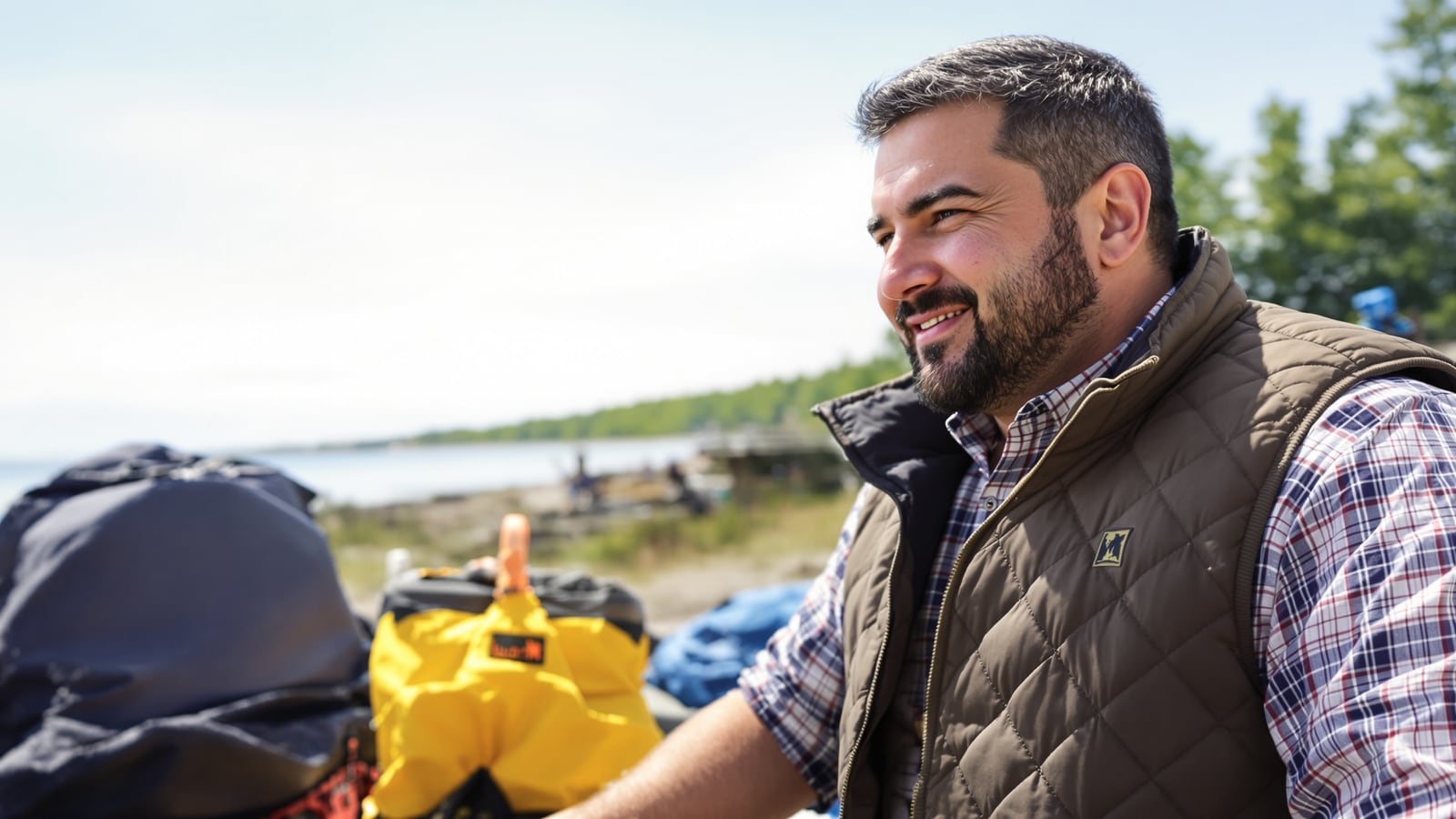
Quick answer: Before any family trip, check your tires (spare included), battery and fuel, and keep a short kit living in the truck permanently. Never drive past the last gas station below half a tank. If the tent fails, the truck is where everyone sleeps. If the trip fails, the truck is how you leave.
The tent is the part that breaks first
A tent pole snaps. A stake won't hold in sandy soil. A summer storm comes through at 9 p.m. with a four-year-old already asleep inside. Tents fail in small, irritating ways, and they fail at the worst hour.
A truck with a full tank, good tires and a dry back seat turns every one of those into an inconvenience. Everybody climbs in, you pull the tarp over the mess, and the argument about the tent waits until morning.
That's the whole case. The tent is a bedroom you can replace. The truck is your shelter, your pantry, your phone charger, your heater and your exit, all at once. So it gets the prep time.
If you want the full build-out version, Your Truck Is Already an Overland Rig covers it. This is the modest, do-it-this-weekend version for a dad with a wife, two kids and one free Saturday.
The ten-minute walkaround
Do it in the driveway, two days before you leave. Not in the parking lot at the trailhead.
- Tires. Check pressure cold, against the sticker inside the driver's door, not the number on the tire sidewall. Look for cracks and nails. Then check the spare. Most people find out their spare is flat on the one day it matters.
- The jack and lug wrench. Make sure they're actually in the truck, and that the wrench fits your lug nuts. Some wheel locks need a special key that has wandered off to the junk drawer.
- Battery. If it's more than four or five years old, get it tested. Most auto parts stores will do it free. A dead battery at a trailhead with no cell service is a long walk with children.
- Fluids and wipers. Oil, coolant, washer fluid. Cheap, quick, and nobody regrets it.
- Fuel. Fill up in the last real town. Once you're on gravel, half a tank is your floor. Not a quarter. Half.
What lives in the truck, permanently
Don't pack a recovery kit for each trip. Build one and leave it there. Then it's never the thing you forgot.
- A lithium jump pack, charged. It beats waiting on a stranger with cables.
- A 12-volt tire inflator and a plug kit. A slow leak is fixable in twenty minutes if you own both.
- A shovel and a tow strap rated for your truck's weight.
- Water: a gallon per person per day is the standard rule, and a gallon weighs about eight pounds. Four people, two days, that's sixty-plus pounds. The truck can carry it. Your back shouldn't have to.
- Two wool blankets. They stay warm even damp, and they work as a floor, a cape or a tarp.
- A first aid kit you've opened and looked at this year. Check the ten essentials for what belongs in the pack when you leave the vehicle.
- Headlamps, one per person, with fresh batteries.
- A paper map of the area. Phones lose signal, and a map doesn't.
Put it all in one bin so it's one grab, not a scavenger hunt.
Sleeping in the truck is a real plan B
Decide ahead of time where everyone sleeps if the weather turns. In a crew cab, two adults and two small kids can manage a night. It won't be comfortable, but it'll be dry, and by morning nobody remembers the cramped part.
Some rules, and they aren't optional:
- Crack two windows, one on each side, for airflow and to keep condensation from soaking the interior.
- Never run the engine while everyone's asleep in a closed vehicle. Carbon monoxide can build up, especially if the tailpipe is blocked by snow, mud or tall grass. Check that the exhaust is clear before you park for the night.
- Never leave a child alone in a parked vehicle, ever, even for a few minutes. A closed truck heats up faster than most people believe.
If the ground is the problem rather than the air, read The Ground Steals Your Heat Before the Air Ever Does. The same pads that work in a tent work on a truck bed.
Park it like you plan to leave in a hurry
How you park matters more than people think.
Nose out, not in. Pull fully off the road onto an existing hard surface, not onto meadow grass. Leave room for other vehicles and don't block a gate or a trail. If you're hiking away from the truck, leave your plan with someone at home: where you're going, which trailhead, when you'll be back, and when they should start asking questions.
The truck is also your landmark. Take a photo of it and the trailhead sign before you walk away. On a long day, with tired legs and a dusk coming on, you'll want to be sure you're headed to the right lot.
Camp close enough that you could be packed and driving in forty minutes. Pick a campsite you can bail from in forty minutes walks through how to judge that before you commit.
The part nobody puts on a gear list
Leave the place better than you found it. Carry a trash bag in the truck, and when you pull out, take anything that wasn't yours. A water bottle, a bag of fast-food garbage, someone's busted camp chair. The kids can help. It's the cheapest lesson in responsibility you'll ever teach.
Fill the tank before you go home, not after. Wash the truck if it's borrowed. And if the truck belongs to a friend or your father-in-law, bring it back cleaner and fuller than it left. That's how you get invited back.
Start small
Your first family trip doesn't need new gear. It needs a good truck and one night. Your First Family Camping Trip Should Be One Night is the right plan for that. Nobody's kid ever remembered the brand of the tent. They remember the dad who calmly pulled the truck around, turned on the dome light and said, "Everybody in. We're fine."
Be that guy. Check the spare.
Wes Dunbar
Country & Skills
Grew up on an acreage and never quite left. Covers trucks, trades, land, and how to do the thing yourself.

Watch
Worth an hour of your evening
More from Outdoors.
From channels we rate. Plays on YouTube.
Read next